How to Build a Character Bible for Your Novel or Campaign
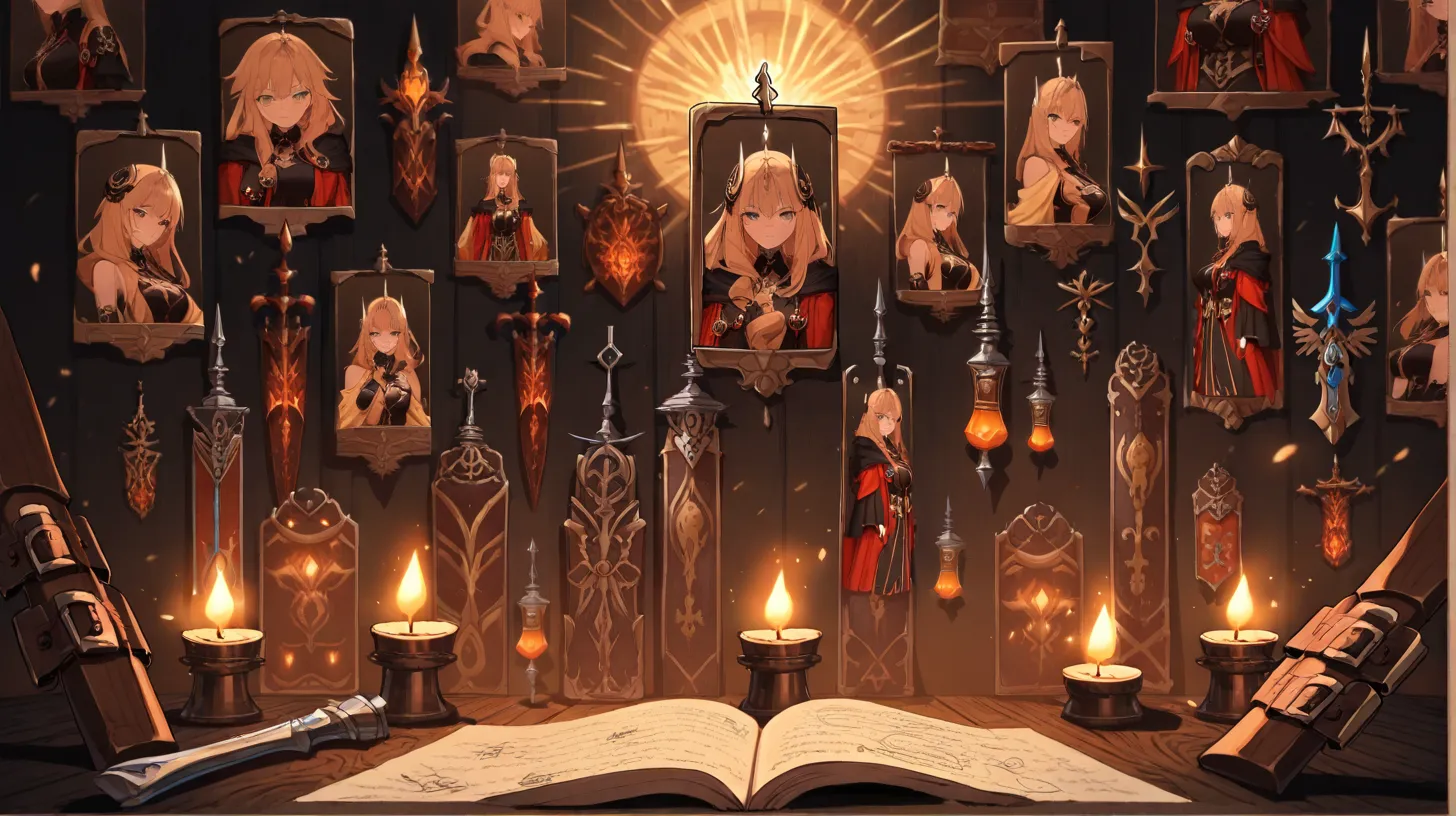
Somewhere around the third chapter — or the third session — it happens. You can't remember if the innkeeper's eyes were green or grey. You forget that the villain's sister died in the fire, not the flood. A character who was terrified of magic in chapter one is casually casting spells by chapter twelve, and nobody planned that arc. These aren't creative failures. They're organizational ones.
A character bible is the solution. It's a living reference document that captures everything important about every character in your story or campaign — their appearance, personality, relationships, secrets, and arc — so that consistency becomes effortless and depth becomes inevitable.
What a Character Bible Actually Is
A character bible isn't a novel about your characters. It's a reference tool — something you consult mid-scene when you need to remember a detail, mid-session when a player asks about an NPC's motivation, or mid-chapter when you're writing dialogue and need to hear the character's voice.
The best character bibles are:
- Scannable — you can find what you need in seconds, not minutes
- Living — they evolve as the story progresses, not frozen at creation
- Connected — characters link to other characters, locations, and events
- Minimal where possible — only track what you'll actually reference
A character bible for a 5-session D&D arc looks different from one for a 200,000-word novel series. Scale your bible to your project. The system is the same; the depth varies.
The Core Profile: What Every Character Needs
Every character — protagonist, antagonist, side character, NPC — needs a baseline profile. Keep it to one screen of information. If you're scrolling to find basics, the profile is too long.
Identity
- Full name (plus aliases, titles, and what people actually call them)
- Age and relevant life stage
- Role in the story — one phrase: "protagonist's mentor," "rival faction leader," "comic relief bartender"
- First appearance — chapter, session, or scene where they're introduced
Appearance
Three details maximum. Not a paragraph of eye color, hair texture, and clothing inventory. Three things someone would notice in the first five seconds: "tall, scarred hands, never makes eye contact." These are the details you'll repeat in the text, and repetition builds recognition.
Voice
How they talk. Formal or casual? Verbose or terse? Any verbal tics, catchphrases, or speech patterns? Do they swear? Do they use metaphors from their profession? A character's voice is how readers recognize them even without dialogue tags, and how DMs portray them consistently at the table.
Write one sample line of dialogue — the most "them" thing they could say. This is your anchor for every future conversation.
Personality in Three Words
Not a Myers-Briggs type. Not a paragraph. Three adjectives that capture who they are on their best day and their worst. "Loyal, impulsive, generous." "Calculating, patient, ruthless." When you're improvising a scene and need to decide how this character reacts, these three words are your guide.
The Depth Layer: Motivation and Conflict
The core profile tells you who someone appears to be. The depth layer tells you who they actually are — and why they do what they do.
The Want and the Need
Every compelling character has two drives:
- The Want — what they're consciously pursuing. Power, revenge, safety, love, recognition. This is visible to other characters and drives their external behavior.
- The Need — what they actually require to be whole. Often the opposite of the Want. A character who wants power might need connection. A character who wants safety might need to learn courage. The gap between Want and Need is where character arcs live.
The Fear
What keeps them up at night? Fear drives avoidance, and avoidance drives plot. A character who fears abandonment will sabotage relationships. A character who fears failure will avoid risks — until the story forces them to take one. Fear is the most reliable engine for generating character-driven scenes.
The Secret
Something they don't want others to know. It doesn't have to be dramatic — "she can't read" is as powerful a secret as "he murdered his brother." Secrets create tension in every scene because the reader or DM knows what could be revealed. In campaigns, NPC secrets are adventure fuel — players will investigate, and the reveal reshapes relationships.
The Relationship Map
Characters don't exist in isolation. They exist in webs of relationships — and those relationships define them more than any personality quiz.
For each significant character, track:
- Key relationships — who matters to them and why (family, allies, enemies, rivals, mentors)
- Relationship quality — trust level, emotional tone, power dynamic
- History — how they met, what they've been through together, any debts or grudges
- Trajectory — is this relationship growing, stable, or deteriorating?
A wiki with relation properties transforms this from a static list into a visual web. When you can click on a character and see everyone they're connected to — and the nature of each connection — patterns emerge that linear notes never reveal. You'll notice that two characters share a mentor, or that a chain of loyalty connects the protagonist to the villain through three intermediaries.
Relationship maps are also where subplots hide. Every interesting relationship is a potential storyline. A deteriorating friendship is a ticking clock. A secret alliance is a reveal waiting to happen. An unspoken attraction is tension that charges every shared scene.
Tracking Character Arcs
Characters who don't change are furniture. The character bible needs to track not just who someone is, but who they're becoming.
Arc Structure
For major characters, define:
- Starting state — who they are at the beginning (beliefs, flaws, capabilities)
- Catalysts — events that challenge their starting state
- Midpoint shift — the moment they begin to change (or double down on who they were)
- Crisis — the scene or session where they must choose between who they were and who they could be
- Resolution — who they are now (or who they've refused to become)
You don't need to plan every beat in advance — especially in campaigns where player choices drive arcs. But knowing the starting state and the general direction gives you a compass for improvisation.
The Arc Log
After each chapter or session, update the character's entry with a brief note on what changed: "Learned her father was involved in the conspiracy. Trust in authority shaken." Over time, these notes become a map of transformation that you can reference when writing future scenes or planning future sessions.
The arc log is where a character bible pays its biggest dividend. When you review it before a writing session and see that a character has been slowly losing faith in institutions over eight chapters, you know that the next scene where they encounter authority should carry that weight — even if you'd forgotten the progression.
Character Bibles for Different Formats
For Novels
Novelists need the deepest character bibles because consistency across 80,000+ words is brutal without reference. Focus on voice (dialogue consistency), appearance details (readers notice contradictions), and arc tracking (the emotional throughline must be coherent).
Tag chapters where each character appears. When you're revising and need to check a character's arc, you can read just their scenes in sequence. This "character thread" technique catches inconsistencies that are invisible when reading the full manuscript.
For D&D and TTRPG Campaigns
DMs need character bibles that optimize for speed at the table. You'll consult this mid-session, with four players waiting. The profile needs to be scannable in five seconds: name, personality in three words, current goal, attitude toward the party.
For player characters, the bible tracks the DM's notes on their backstory hooks and how to weave them into the campaign. For NPCs, it tracks last interaction and any promises or threats made. The NPC generator can help you rapidly create characters — then flesh them out in the bible as they become recurring figures.
For Collaborative Storytelling
When multiple writers or co-DMs share a world, the character bible becomes a contract. It's the authoritative source on who a character is, preventing drift when different people write the same character. Shared wikis with edit history are essential here — you need to know who changed what and when.
Organizing Your Bible
The tool matters less than the structure. But some tools make structure easier.
What Doesn't Work
- A single giant document — scrolling through 40 pages to find one NPC is a session killer
- Scattered notes — some in a notebook, some in Google Docs, some in your head. You'll lose information at the worst moment
- Over-designed templates — a 30-field template looks thorough; in practice, half the fields stay empty and slow you down
What Works
- A wiki with typed entries — each character gets their own page with structured fields (name, traits, relations) and freeform notes. Search, filter, and cross-reference instantly.
- Tags and properties — mark characters by faction, location, role, or status. Filter to see "all NPCs in Thornfield" or "all characters the party has angered."
- Relations between entries — link characters to other characters, to locations, to events. The links are the bible's superpower.
A character management system with custom properties lets you define exactly the fields you need — no template bloat, no empty rows. Add a "voice" field, a "three words" field, a "current goal" field, and you've got a bible that's both structured and personal.
Starting Your Character Bible Today
Don't try to bible every character at once. Start with the three most important characters in your project. Give each one:
- The core profile (identity, appearance, voice, three words)
- The depth layer (want, need, fear, secret)
- Two key relationships
- An arc starting state
That's maybe 20 minutes per character. An hour of work that will save you dozens of hours of inconsistency hunting, retconning, and "wait, who was that guy again?" moments.
Then update as you go. After every chapter or session, spend five minutes adding new details, noting changes, and updating relationships. The bible grows with the story, and the story gets better because the bible exists.
Your characters deserve to be remembered — in every detail, in every scene, in every session. A character bible makes that possible.
Keep reading
More from this topic
DnD Character Sheet: Complete Resource Guide
Everything you need to know about D&D character sheets — how to fill them out, the best printable and digital templates, and tips for both new players and veterans.
D&D 5e Character Sheet: Printable & Fillable (Free PDFs + Tools)
The D&D 5e character sheet looks simple — until you fill one out for the first time. Here's every official PDF, the best fillable digital sheets, and a section-by-section walkthrough of what every field actually means.

How to Keep Track of NPCs in Your Campaign
Stop forgetting names mid-session. A practical system for tracking every NPC — recurring or one-off — so your campaign feels alive and your players feel remembered.
Start building your world today
A linked wiki, a timeline and a live DM screen — free, in your browser, no account needed.