How to Write a Memorable Fantasy Villain (Beyond "Evil")
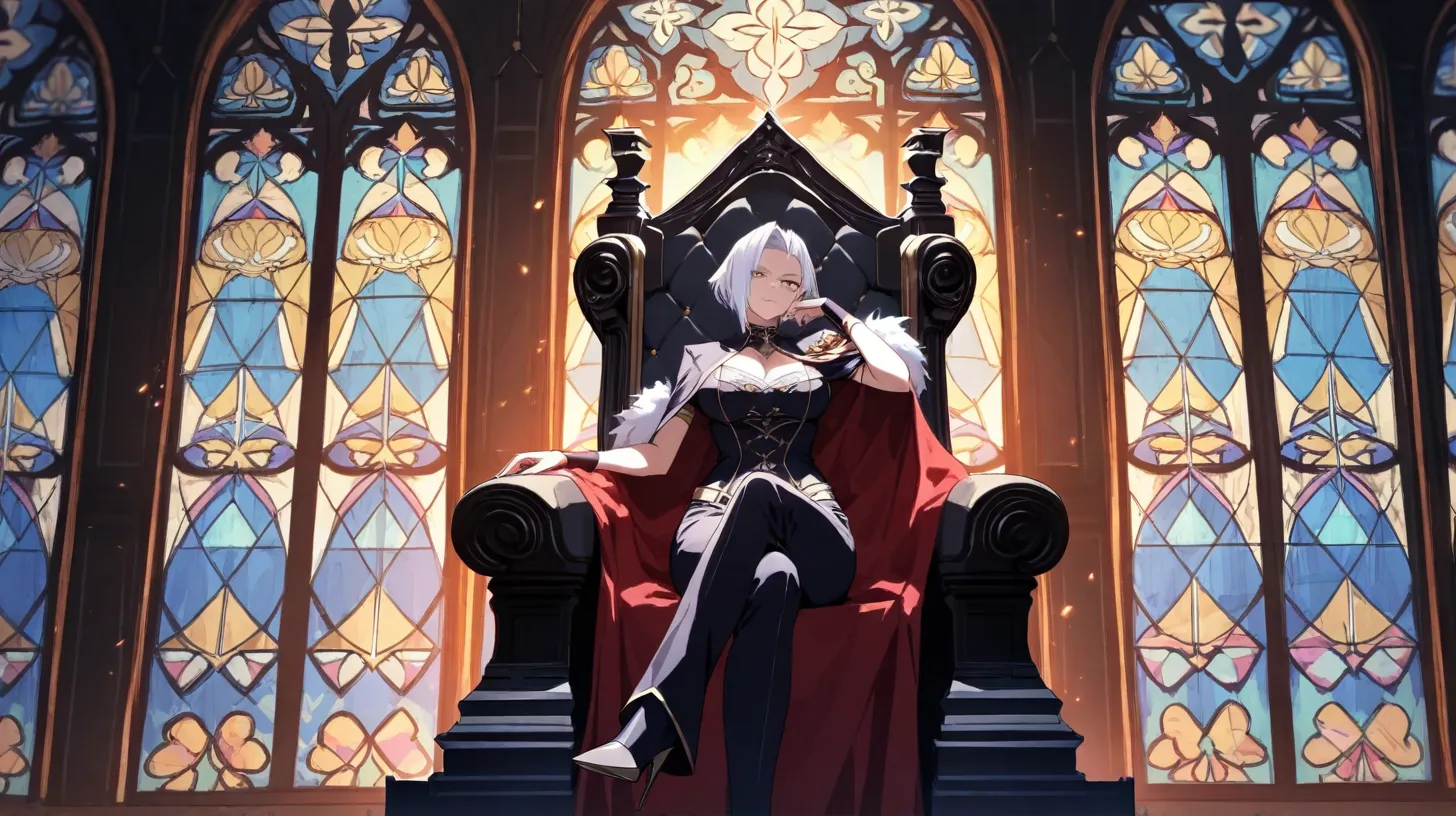
The forgettable villain wants power. The forgettable villain is evil because the plot needs a villain. The forgettable villain delivers a monologue, lasts one session, and is gone. Players say "that was a fun fight" and forget the name by next week.
The memorable villain is the one your players still talk about three campaigns later. They reference her choices, argue about whether she was actually wrong, wonder if a different party could have redeemed her. She has gravity. When she appears, the room changes. When she dies — or escapes — it matters.
The difference isn't mystique or theatricality. It's construction. Memorable villains follow a handful of specific design principles. Ignore them and you get cardboard. Apply them and you get antagonists that become the emotional heart of your campaign.
The First Rule: Villains Don't Think They're Villains
Every living villain in fiction believes they're justified. Some believe they're actively good. None of them wake up and think "today I do evil." This is the foundational principle and the most commonly violated one in TTRPG.
Your villain has a worldview. In that worldview, their actions make sense. They might be wrong — often are — but they're not lying to themselves in an obvious way. They've reasoned their way to their position, and they'd defend it to a philosopher.
Some working examples:
- The necromancer who believes death is an injustice inflicted by cruel gods. She's bringing the dead back because grief is the greatest evil, and she can fight it.
- The tyrant who has seen what happens when kingdoms fracture. He will be hated for centralizing power, but a hundred thousand peasants won't die in the next civil war.
- The cult leader who genuinely believes the dark god will remake the world into paradise. She has witnessed miracles. You can't argue her out of faith with logic.
Test your villain: can you write a three-minute speech from their perspective that someone thoughtful might agree with parts of? If no, you haven't built a villain. You've built an obstacle.
The Second Rule: Specific Grievance, Not Abstract Evil
"He wants to conquer the world" is not a motivation. It's a goal without a why. Memorable villains have a specific grievance — an experience, a loss, a betrayal, a revelation — that changed them. The grievance doesn't have to be sympathetic, but it has to be specific.
- Not: "She hates the empire." But: "At seven, she watched imperial tax collectors burn her village over a debt her family had already paid. She carries the collector's receipt in a locket around her neck."
- Not: "He wants power." But: "He was third in line for the throne and watched both his brothers die under mysterious circumstances the court called 'accidents.' He will never be vulnerable again."
Specific grievances generate specific behaviors. They explain why the villain targets this particular kingdom, hoards this particular artifact, hates this particular family. The specificity is what makes the villain feel like a person instead of a function.
The Third Rule: A Flaw That Isn't Just "Hubris"
Every villain is told to have a "fatal flaw." Ninety percent of the time, the flaw is overconfidence, which is so generic it does nothing. Better villains have specific, personal flaws that create interesting pressure:
- Loyalty to a single person. She'd sacrifice the entire world for her sister. That's both admirable and exploitable.
- An outdated belief. He insists on the old codes of honor. A party who knows this can provoke duels they're not ready for.
- Intellectual pride. He needs the party to understand why he's right before he kills them. This gives them opportunities to stall, negotiate, or plant doubt.
- A secret shame. She compensates for something — a failure, an abandonment, a moment of weakness — and anything that touches the wound destabilizes her.
The flaw should be actionable by the party. If they can discover it, exploit it, or use it to set up a confrontation, it drives story. If it only exists as backstory flavor, it's decoration.
The Fourth Rule: Presence Through Restraint
The villain who appears constantly and monologues at every meeting loses all weight. The villain who is mentioned by terrified NPCs for four sessions before finally walking into a tavern — that villain will be the most memorable moment of the campaign.
Treat your villain's on-screen time like a scarce resource. They should appear when it matters, say less than you think, and leave the party worse than they found them — but not necessarily by violence. A villain who leaves a party alive but shaken is scarier than one who tries to kill them and fails.
Things a well-written villain does in a scene:
- Demonstrates competence through small acts, not speeches. They already know the party's names. They know what happened in their last town. They don't gloat about it.
- Holds eye contact longer than comfortable.
- Is polite. Real menace doesn't posture.
- Offers something — a trade, a compliment, a warning. Not everything is a threat. Most of the terror is wondering why they aren't attacking.
- Leaves before the party expects. Doesn't fight, doesn't monologue, just goes. Whatever they came for, they got.
Restraint creates the gravity. Overuse destroys it.
The Fifth Rule: They Exist Offscreen
Memorable villains have lives when the party isn't looking. They have allies, enemies, hobbies, a city they live in, people they care about, businesses they run, goals they're pursuing whether or not the PCs interfere. The party's decisions should visibly affect what the villain does — and vice versa.
Every session, you should know:
- Where is the villain right now?
- What are they working on this week?
- Who are they talking to that the party doesn't know about?
- What's their next move regardless of what the party does?
This is where a wiki with timeline tracking earns its keep. Log the villain's movements and plans as campaign events. When the party investigates a town, you already know what the villain did there last week. Continuity like this is what makes players say "this world feels real."
The Sixth Rule: They Mirror the Party
The best villains are uncomfortably similar to the protagonists — same methods, different ends; or same ends, different methods. This creates real moral tension instead of cardboard conflict.
- The party wants to save the kingdom; the villain wants to save the kingdom — from the party.
- The party member is a paladin seeking justice. The villain was a paladin who decided the gods were failing and took justice into their own hands.
- The rogue steals from the corrupt. The villain steals from everyone — and believes everyone is corrupt.
Mirrors force introspection. A party member who fights someone with their own values but a different conclusion is doing more than killing a bad guy — they're arguing with a version of themselves. That's when combat becomes memorable.
The Seventh Rule: Give Them an Arc
Static villains are props. Dynamic villains are characters. Your villain should change over the campaign — in response to the party's actions, in response to their own victories and losses, in response to revelations about themselves.
- Early campaign: the villain is curious about the party, maybe even amused.
- Mid campaign: the party has hurt them. They're adapting, hardening, bringing in reinforcements.
- Late campaign: the party is a serious threat. The villain is either desperate, radicalized, or — in the best versions — wavering. Maybe they see truth in what the party is doing. Maybe the flaw has been exposed.
The climactic confrontation is different when the villain is a person who has been changed by the story, rather than a boss who's been waiting patiently in a tower.
The Villain Checklist
Before your villain enters the campaign, you should be able to answer:
- What do they want, specifically? Not "power" — what exact outcome?
- Why do they want it? What happened to them?
- Why do they believe they're right?
- What's their specific, exploitable flaw?
- Who do they love or owe?
- How do they mirror the party?
- What would make them reconsider?
- What are they doing this week, regardless of the PCs?
Eight questions. Answer them and your villain has more depth than 90% of the antagonists any of your players have encountered. The questions aren't busywork — each one generates scenes, choices, and hooks you'll use for sessions.
A Final Trap: Don't Protect Them
GMs fall in love with their villains. They give them plot armor, rescue them from bad rolls, refuse to let the party corner them. This kills the character faster than anything. A villain who cannot lose is not a villain — they're a scripted encounter.
The memorable villain has to be able to die. Early, messily, before their arc is complete, if the party outplays them. Their death should hurt — you worked on them, you loved them — but that pain is precisely what makes the victory feel real.
Write villains you'll miss. Then let the players earn their removal, however the dice fall. That's the contract. Break it and your players will feel it, even if they can't name what's wrong. Honor it and you'll build antagonists they'll be quoting back to you ten years later, around a different table, in a different campaign, still arguing about whether she was really wrong.
Keep reading
More from this topic
How to Write a TTRPG Campaign (From Blank Page to Session One)
A campaign isn't a series of adventures — it's a story with themes, characters, arcs, and a world that pushes back. Here's how to write one from nothing, in a way that survives first contact with players.
Plot Twists for D&D Campaigns (How to Write Twists That Land)
A great plot twist reframes everything the players thought they knew. A bad one makes them feel lied to. The difference is structure — what to seed, when to reveal, and how to earn a twist players talk about for years.
Start building your world today
Maps, wikis, timelines, and AI tools — everything you need to bring your world to life, in one place.