Fantasy World Name Generator: Complete Guide
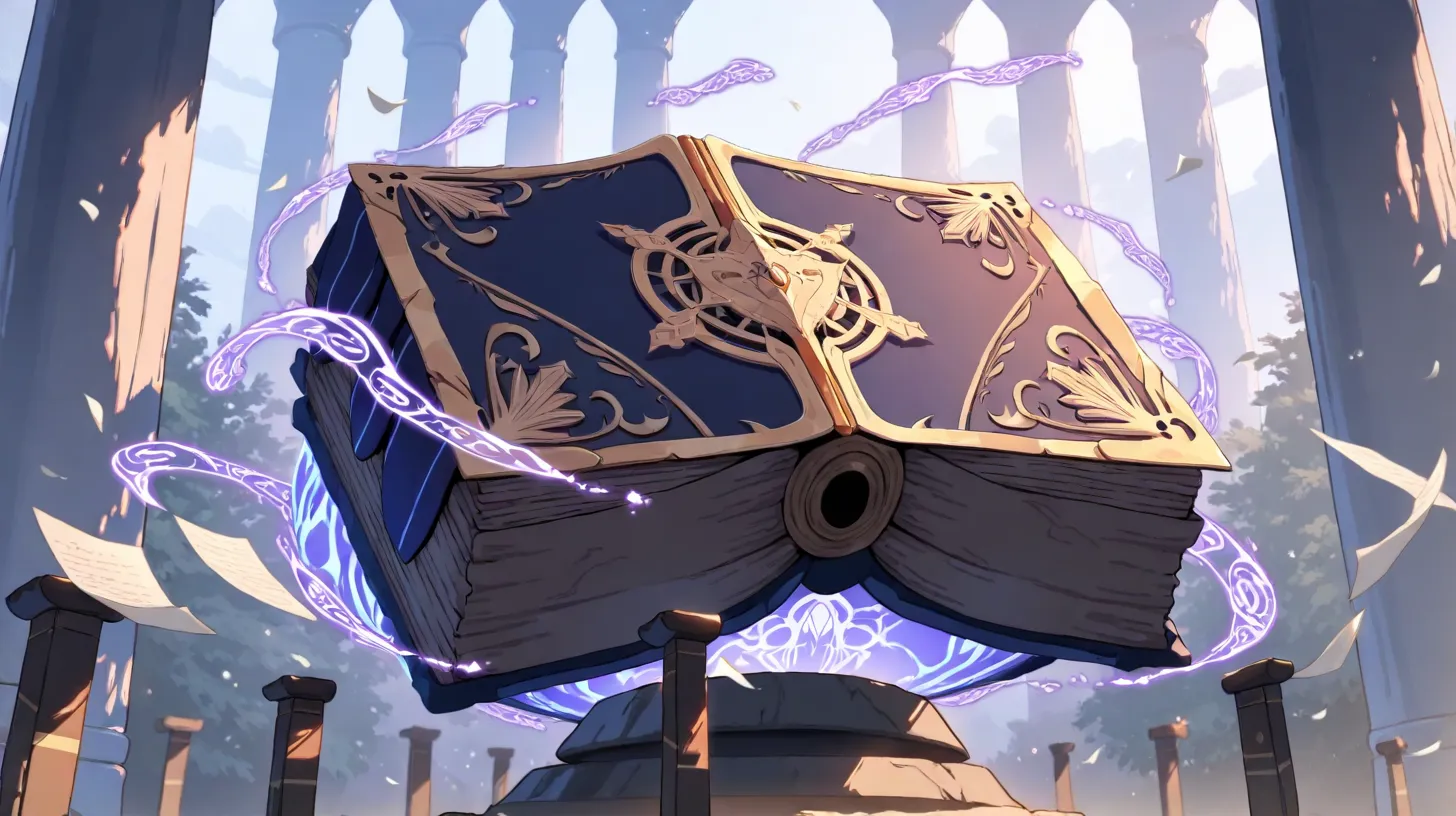
A fantasy world name generator is one of the most useful tools in a worldbuilder's arsenal. The right name establishes tone, implies culture, and makes your world feel real before a single detail is revealed. This complete guide covers how name generators work, how to use them effectively, and how to refine generated names into something truly memorable.
Why World Names Matter More Than You Think
Your world's name is the first thing players, readers, or audiences encounter. It carries weight. "Middle-earth" evokes deep history and gravitas. "Discworld" signals humor and absurdity. "Eberron" sounds arcane and industrial. The name primes expectations before a single sentence of lore is read.
A poorly chosen name does the opposite — it breaks immersion, feels generic, or accidentally echoes something from pop culture that undercuts your world's identity. That's why using a kingdom name generator as a starting point, then refining the output, produces better results than staring at a blank page.
How Fantasy Name Generators Work
Most fantasy name generators use one of three approaches:
| Method | How It Works | Strengths | Weaknesses |
|---|---|---|---|
| Markov Chains | Analyzes letter/syllable patterns in training data, generates new combinations | Produces natural-sounding names | Can produce unpronounceable results |
| Syllable Combination | Combines pre-defined syllable pools (prefixes, roots, suffixes) | Consistent quality, tunable by culture | Can feel formulaic after many outputs |
| AI/LLM Generation | Uses language models trained on vast text corpora | Context-aware, can match specified tone | May reproduce existing fictional names |
Using a Name Generator Effectively
Step 1: Define Your Phonetic Profile
Before generating names, decide what your world should sound like. Hard consonants (K, G, D) create a harsher, more martial feel. Soft consonants and long vowels (L, N, AE, OU) produce something more ethereal. Consider:
- Celtic-inspired: Soft consonants, apostrophes, flowing syllables — Tír na nÓg, Avalon
- Germanic-inspired: Hard stops, compound words — Eisenwald, Sturmheim
- Arabic-inspired: Guttural consonants, rolling vowels — Al-Qadim, Zakhara
- Japanese-inspired: Alternating consonant-vowel pairs — Kamigawa, Rokugan
Step 2: Generate in Bulk
Never use the first name a generator produces. Generate 20-30 names, then shortlist the ones that resonate. You're looking for names that are:
- Pronounceable on first read
- Distinct from major existing fantasy properties
- Evocative of the tone you want
- Memorable after hearing them once
Step 3: Refine and Combine
Take your shortlisted names and modify them. Swap a syllable. Change the ending. Combine the first half of one with the second half of another. This is where generated names become your names. A generator gave you raw material; refinement makes it art.
Step 4: Test Against Your Setting
Say the name aloud in context: "Welcome to [Name]." "The armies of [Name] march south." "In the ancient language of [Name], this means 'death.'" If it sounds ridiculous in any common context, keep refining.
Name Generator Categories for Worldbuilding
Different generators serve different purposes:
Kingdom and Empire Names
These need gravitas. They'll appear in history, on maps, and in formal dialogue. Use our Kingdom Name Generator for this category — it's specifically tuned for political entities.
City and Town Names
Cities often derive from geographic features (Riverside, Stormhaven), founding figures (Alexandros, Victoria), or cultural markers (New Carthage, Porto Arcano). The best city names contain implicit worldbuilding.
Region and Terrain Names
The Whispering Wastes. The Shattered Coast. The Verdant Deep. Terrain names work best when they combine a sensory adjective with a geographic feature. They should make someone want to explore.
Plane and Dimension Names
For cosmic settings, plane names should feel alien: the Astral Sea, the Feywild, Limbo. These names operate differently from terrestrial ones — they should sound conceptual rather than geographic.
Common Naming Mistakes
- Apostrophe abuse — Ael'tharin'dor is not a name, it's a typographical incident. One apostrophe maximum, and only if it serves a phonetic purpose.
- Unpronounceable clusters — If your players can't say it, they won't use it. Xvlthgnr is not a world name.
- Too similar to real places — "Englandia" or "New Yorkton" break immersion instantly.
- No internal consistency — If your elvish kingdom is "Lórindel" but the next elvish city is "Gorthak," your naming conventions are broken.
Building a Naming Language
The most immersive worlds have a lightweight naming language — a set of roots and rules that make all names from a culture feel related. You don't need a full conlang. You need:
- 10-15 root words with meanings (val = forest, mor = dark, din = city, ara = river)
- Consistent suffixes for categories (-heim for settlements, -oth for fortresses, -meer for seas)
- Phonetic rules — which sounds appear, which don't, stress patterns
With these three elements, every name you create will feel like it belongs. "Valdinheem" and "Morothgarr" clearly come from different cultures. That's worldbuilding through naming.
Continue Exploring
This article is part of our Worldbuilding Fundamentals guide, within the Worldbuilding Hub. Explore related articles:
- Ultimate Guide: Worldbuilding
- Fantasy World Building: Complete Resource
- 300+ Fantasy World Names by Genre
- World Building Template (Free Download)
Need names for your world? Try our Kingdom Name Generator. Populate your world with characters from the NPC Generator, or kickstart adventures with the Quest Hook Generator.
Keep reading
More from this topic
Ultimate Guide: Worldbuilding
Learn worldbuilding from scratch. This comprehensive guide covers techniques, tools, and frameworks for building rich fantasy worlds for tabletop RPGs, fiction, and games.
Fantasy World Building: A Complete Resource

Fantasy World Names: 220 Ideas by Genre (+ How to Invent Your Own)
Start building your world today
A linked wiki, a timeline and a live DM screen — free, in your browser, no account needed.