Session Notes Template (Free Download)
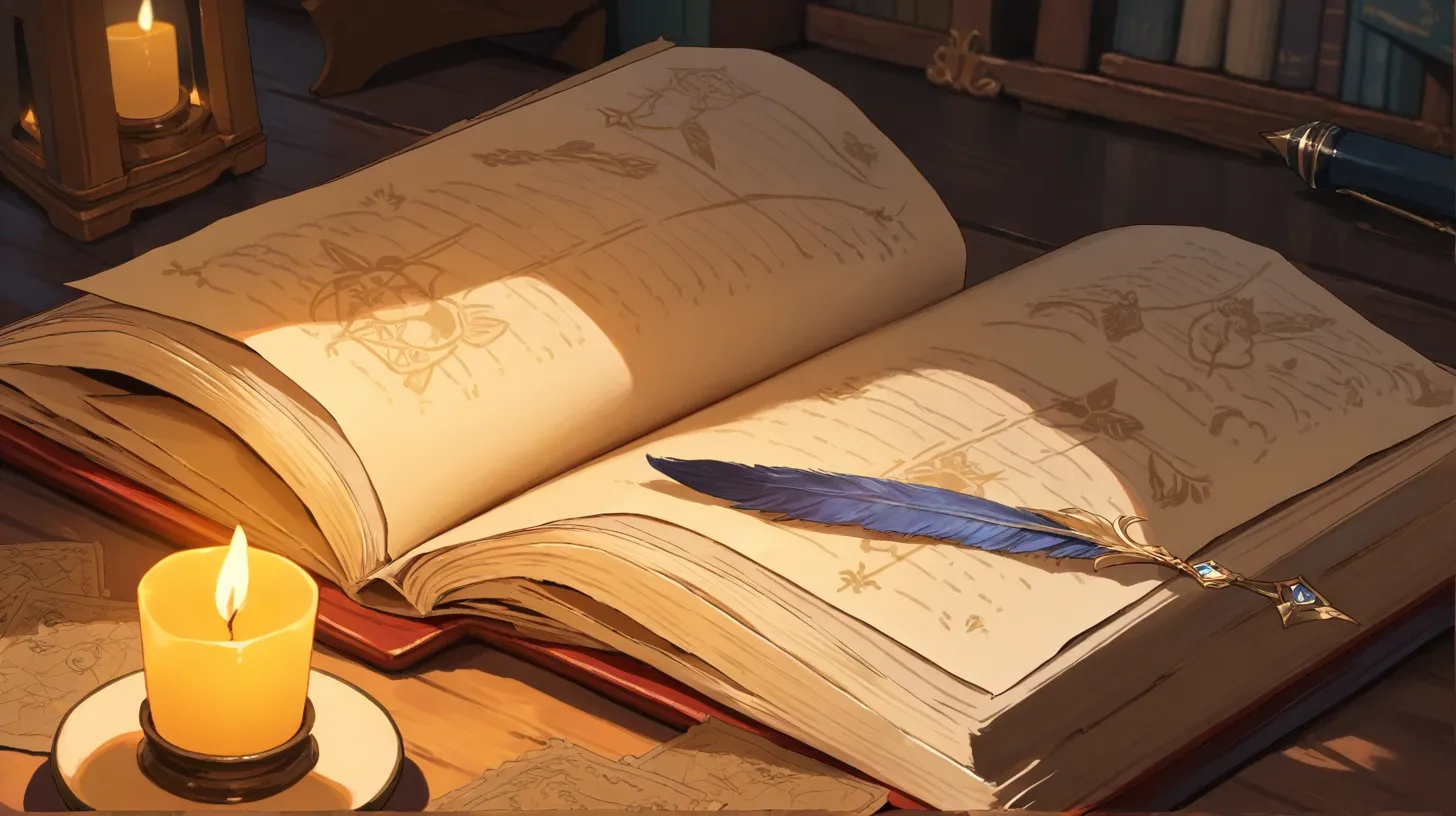
Good session notes are the difference between a campaign that builds momentum and one that loses continuity. But most DMs either take too many notes (and burn out) or too few (and forget critical details). The sweet spot is a structured template that captures exactly what you need in 10 minutes or less.
The Session Notes Template
Here's the template. Copy it, adapt it, and use it after every session:
Session Header
| Session # | [Number] |
| Date (real) | [Date played] |
| Date (in-game) | [Calendar date in your world] |
| Players present | [Names] |
| Location | [Where the session took place in-world] |
What Happened (5 bullets max)
The core events of the session. Not a transcript — a summary. If you can't summarize the session in five bullets, you're including too much detail.
NPCs Encountered
List every NPC the party interacted with meaningfully. For each: name, attitude, and any new information revealed. Mark new NPCs with [NEW].
Decisions Made
The choices the party made that will have consequences. These are the most valuable notes because they drive future sessions. "The party chose to side with the rebels over the crown" shapes the next ten sessions.
Open Threads
Unresolved questions, pending quests, and hooks the party hasn't followed up on yet. Review this section before every session — it's your prep cheat sheet.
Loot & Resources
Items gained, gold spent, resources consumed. Keep this section factual and brief.
Next Session Seed
One sentence about what's likely to happen next. Not a plan — a prediction. "The party will probably investigate the ruins" or "The merchant's deadline is tomorrow in-game."
How to Use the Template
Fill It Immediately After the Session
Your memory degrades fast. Notes written the next day are 50% as useful as notes written within an hour of the session ending. Build it into your routine: session ends, players leave, you spend 10 minutes with the template.
Be Ruthlessly Brief
The goal is not to capture everything — it's to capture enough. A brief note like "Explored the cave. Found the artifact. Goblins ambushed on exit. Kira almost died." is more useful than a 500-word narrative because you'll actually read it next week.
Separate Player-Facing and DM-Only Notes
If you share notes with players (recommended), keep a second layer for DM-only information: hidden NPC motivations, upcoming plot developments, and notes about player engagement ("Marcus seemed bored during the dungeon crawl — more roleplay next session").
Digital vs. Physical Notes
| Format | Pros | Cons |
|---|---|---|
| Digital (Notion, Anima, Google Docs) | Searchable, linkable, shareable, backed up | Requires device, can be distracting |
| Physical notebook | No distractions, tactile, always works | Not searchable, can be lost, hard to share |
| Hybrid | Best of both — handwrite during session, digitize after | Double the work |
Common Note-Taking Mistakes
- Writing too much — If your notes for one session are longer than a page, you're over-documenting. Cut the narrative, keep the facts.
- Writing too little — "Had fun, fought stuff" helps no one. Capture names, decisions, and open threads at minimum.
- Not reviewing before sessions — Notes you never re-read are wasted effort. The 5-minute pre-session review is mandatory.
- Only recording what happened — What happened matters less than what it means. "The party killed the bandit chief" is less useful than "The party killed the bandit chief — his lieutenant will want revenge."
This template works best as part of a broader campaign tracking system. For the full campaign organization framework, explore our Ultimate Guide to Campaign Management.
Keep reading
More from this topic
How to Run a Session Zero (Checklist, Examples & Common Pitfalls)
Session zero is the single highest-leverage hour of any campaign. Skip it and you end up renegotiating expectations mid-fight six sessions in. Here's the checklist, the conversations to force, and the traps first-time GMs fall into.
Ultimate Guide: Campaign Management
Master campaign management for tabletop RPGs. Learn session planning, NPC tracking, quest management, and the best digital tools for running organized, memorable campaigns.
DnD Campaign Ideas: 50 Plot Hooks
Start building your world today
A linked wiki, a timeline and a live DM screen — free, in your browser, no account needed.