Fantasy vs Sci-Fi Roleplay: Managing and Creating Different Universes
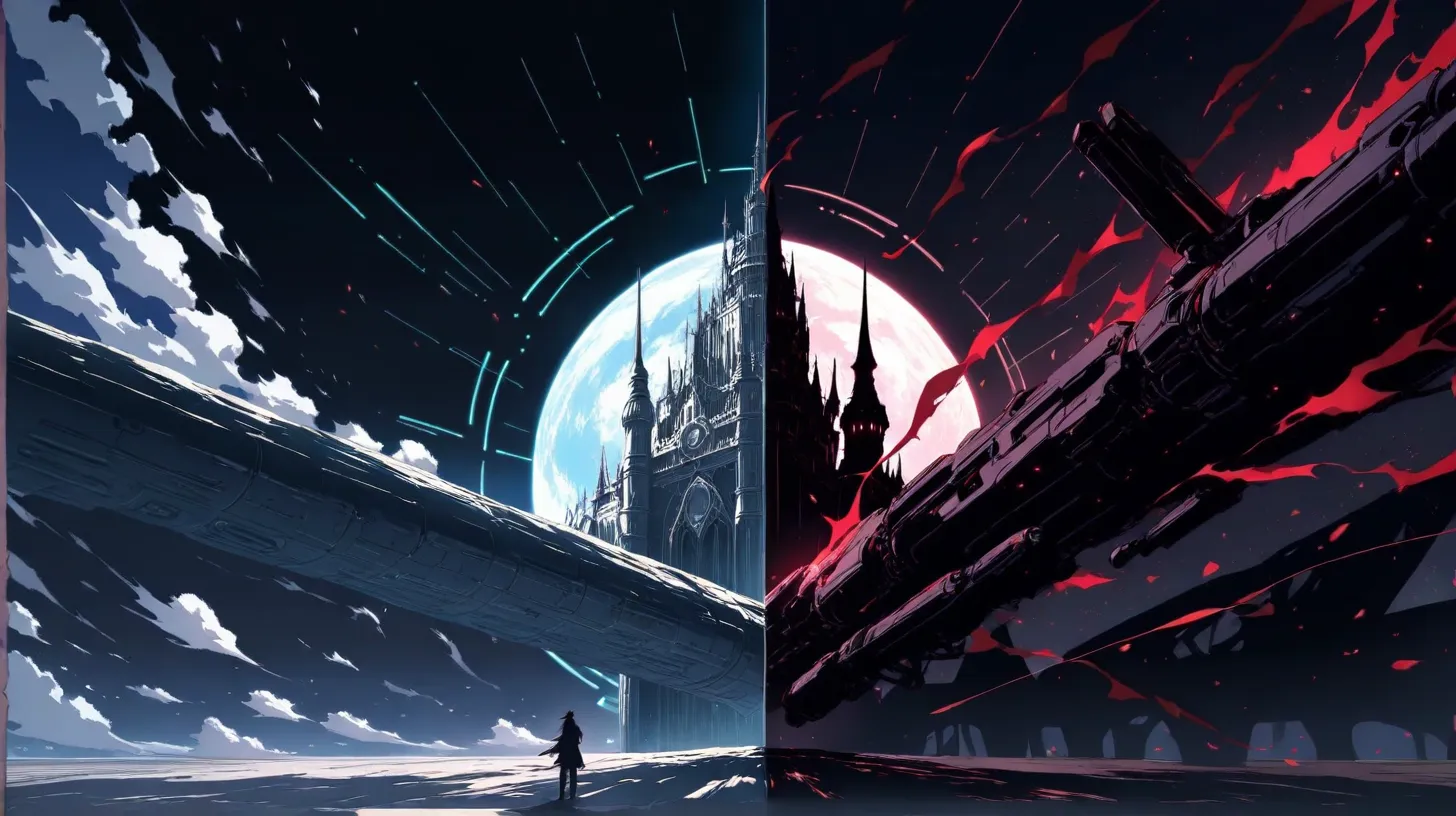
Fantasy and sci-fi roleplay share a bookshelf, a community, and half the same rulebooks. They look like siblings. They're not. Running a fantasy campaign and running a sci-fi campaign are genuinely different crafts — they reward different skills, demand different preparation, and ask different things of your worldbuilding.
DMs and GMs who switch between the genres sometimes struggle because they bring fantasy habits to sci-fi or vice versa. Players do the same. The result is a campaign that feels off — not bad, but somehow not quite right. Understanding the differences fixes this. So does using them deliberately: leaning into what makes each genre sing instead of fighting against it.
The Core Tension: Consistency vs. Wonder
Fantasy runs on wonder. The world contains things that can't be explained, shouldn't exist, and surprise the characters when they appear. The magic shop was there yesterday but it's gone today. The forest has spirits. The moon affects the tides of the sea AND the tides of the mind. Fantasy invites the DM to introduce strangeness at any moment and trust the players will accept it, because the world is fundamentally mysterious.
Sci-fi runs on consistency. The world operates by rules — sometimes invented, sometimes real — and those rules must hold up under player scrutiny. When a player asks "Can I rewire this door panel to bypass the lockdown?" the answer depends on how the door works, how the bypass works, what tools they have, and whether the rules you've established about technology support or prevent it. Unlike fantasy, you can't just say "yes" or "no" — you have to justify it with internal logic.
This is the biggest adjustment when moving between genres. Fantasy tolerates ambiguity; sci-fi punishes it. Fantasy rewards evocative descriptions; sci-fi rewards functional descriptions. A DM who improvises loose fantasy sessions with "the shadows move like they're alive" will struggle in sci-fi where players will ask "what's the power source for the shadow cloaking system, and can we disable it?"
Worldbuilding Load
Fantasy worldbuilding is seductive because you can add almost anything. Elves? Sure. A floating city? Sure. A god that walks among mortals? Sure. Every addition is cheap because you don't have to justify how it works — it works because it's magic. The only constraint is internal consistency within your own rules.
Sci-fi worldbuilding is expensive. Every addition requires plumbing. Faster-than-light travel? How does it work? What are its limits? Does it age the travelers, break causality, consume energy? Players will ask. If you haven't decided, you'll improvise, contradict yourself, and the world will feel unstable. Sci-fi rewards writers who know their rules deeply and apply them ruthlessly.
This doesn't mean fantasy is lazy — great fantasy worlds are tightly constructed — but it means sci-fi has a higher floor. You can run a great fantasy session on vibes alone. You cannot run a great sci-fi session without some technical backbone.
How Players Engage Differently
Fantasy players are often character-first. They're there to roleplay their half-elven bard, their brooding rogue, their cheerful cleric. The world is backdrop; the story is about who they are and who they become. They'll follow plot hooks out of curiosity or honor, but the real engagement is in the relationships and the personal arcs.
Sci-fi players are often problem-first. They're there to figure things out. How does this alien tech work? Why is the colony dying? What's really on the derelict ship? They engage through investigation, improvisation, and creative problem-solving. Character still matters, but the problems drive the sessions.
This means session prep is different. Fantasy sessions need emotional hooks, NPC dynamics, and opportunities for characters to reveal themselves. Sci-fi sessions need puzzles, systems to interact with, and clues that reward thinking. A fantasy session where no one gets to emote will feel empty. A sci-fi session where there's nothing to figure out will feel aimless.
The NPC Problem
Fantasy NPCs are easier. They have archetypal roles (the mentor, the rival, the mysterious stranger), familiar motivations (honor, revenge, love, duty), and clear places in the world (the village elder, the wandering bard, the cult leader). Players immediately understand how to interact with them.
Sci-fi NPCs are harder. Their motivations might be alien, their roles might be unfamiliar (the AI ethics officer, the genetic engineer, the void pilot), and their places in the world require explanation. Players have to learn each NPC's context before they can interact meaningfully. This slows down social scenes unless you invest in making the setting's social structures legible.
The workaround: sci-fi NPCs should feel grounded in recognizable human motivations, even when they're aliens or AIs. The pilot is lonely. The engineer is proud. The diplomat is exhausted. These are human feelings that translate across any setting. Build the strangeness on top of that foundation.
Technology and Magic Are Not the Same
It's tempting to treat fantasy magic and sci-fi technology as interchangeable — "sufficiently advanced technology is indistinguishable from magic," as the saying goes. For players, they're very different.
Magic is mysterious. It works because a wizard or a god decided it should. Players accept the "why" on faith and focus on the "what." They don't need to understand how fireball works; they just need to know it does 8d6 damage in a 20-foot radius.
Technology is knowable. It works because of physics, engineering, and materials science. Players want to understand it, modify it, break it, and exploit its limitations. They'll ask about the power source, the mechanism, and the failure modes. If you can't answer, they'll feel cheated.
This means in fantasy, you can invent a magical item on the spot and hand it to players with minimal explanation. In sci-fi, inventing a gadget on the spot requires thinking about how it fits into the tech level, the power economy, and what would prevent everyone from having one.
Campaign Arcs
Fantasy arcs tend to be about character growth. The reluctant hero accepts their destiny. The grieving warrior finds peace. The corrupted paladin seeks redemption. These stories work because the world is mostly static — villages don't really change much, and the hero's internal transformation is the focus.
Sci-fi arcs tend to be about discovery. The crew uncovers a conspiracy. The scientist solves the mystery. The rebellion exposes the truth. The world is active — governments fall, technologies spread, species contact each other — and the characters are investigators moving through that change.
You can do character arcs in sci-fi and discovery arcs in fantasy — many of the best campaigns blend both. But leaning into the genre's natural strengths makes writing easier. A fantasy campaign built around discovery instead of character will feel cold. A sci-fi campaign built around character instead of discovery will feel aimless.
Different Wiki Needs
Your worldbuilding notes look different in each genre. For fantasy, you need entries for:
- Characters and factions with relationship webs
- Locations with vibe, history, and NPCs
- Events and timeline for the in-world history
- Magic system rules (if custom)
For sci-fi, you also need:
- Technology specs and rules (how FTL works, what AIs can do, etc.)
- Political systems with explicit power structures
- Species profiles with biology, culture, and social norms
- Scientific principles your setting follows or breaks
A wiki with custom properties handles both — you define the fields you need for your genre and leave the others blank. Fantasy campaigns won't need a "power consumption" field; sci-fi campaigns will. The flexibility matters more than any specific template.
Switching Between Genres
Some DMs run both, often simultaneously. If you do, a few tips:
- Separate your wikis. Don't try to share a worldbuilding system across a fantasy and a sci-fi campaign. The structures are different enough that one will feel wrong.
- Adjust your prep rhythm. Sci-fi sessions need more rule-checking; fantasy sessions need more character beats. Allocate prep time accordingly.
- Watch for genre bleed. When you run a fantasy session after a sci-fi session, you may find yourself explaining too much. When you run a sci-fi session after fantasy, you may wave hands too much. Recognize the shift and adjust.
- Respect the player mindset. Some players strongly prefer one genre. Don't assume they'll switch modes easily — brief them on the expected vibe before the campaign starts.
The Meta-Lesson
Fantasy and sci-fi aren't just aesthetic choices. They're different contracts between the DM and the players about how the world works, what kind of engagement is rewarded, and what counts as a satisfying session. Get the contract right and the genre sings. Get it wrong and the campaign feels like it's fighting itself.
There's no "better" genre — only better matches between a campaign's rules and its genre's expectations. The best GMs know which genre they're running, lean into its strengths, and use the right tools for the job. A wiki that tracks magic school affiliations looks nothing like a wiki that tracks neural implant compatibility — and that's the point. Different worlds need different records.
Whichever genre you're running, understand what it asks of you, and give it what it needs. That's how you run a world that feels like itself — fantasy or sci-fi, and never quite the same.
Keep reading
More from this topic

Ultimate Guide: Worldbuilding
Learn worldbuilding from scratch. This comprehensive guide covers techniques, tools, and frameworks for building rich fantasy worlds for tabletop RPGs, fiction, and games.
Fantasy World Name Generator: Complete Guide

Fantasy World Building: A Complete Resource
Start building your world today
A linked wiki, a timeline and a live DM screen — free, in your browser, no account needed.