How to Build a Faction System That Drives Conflict
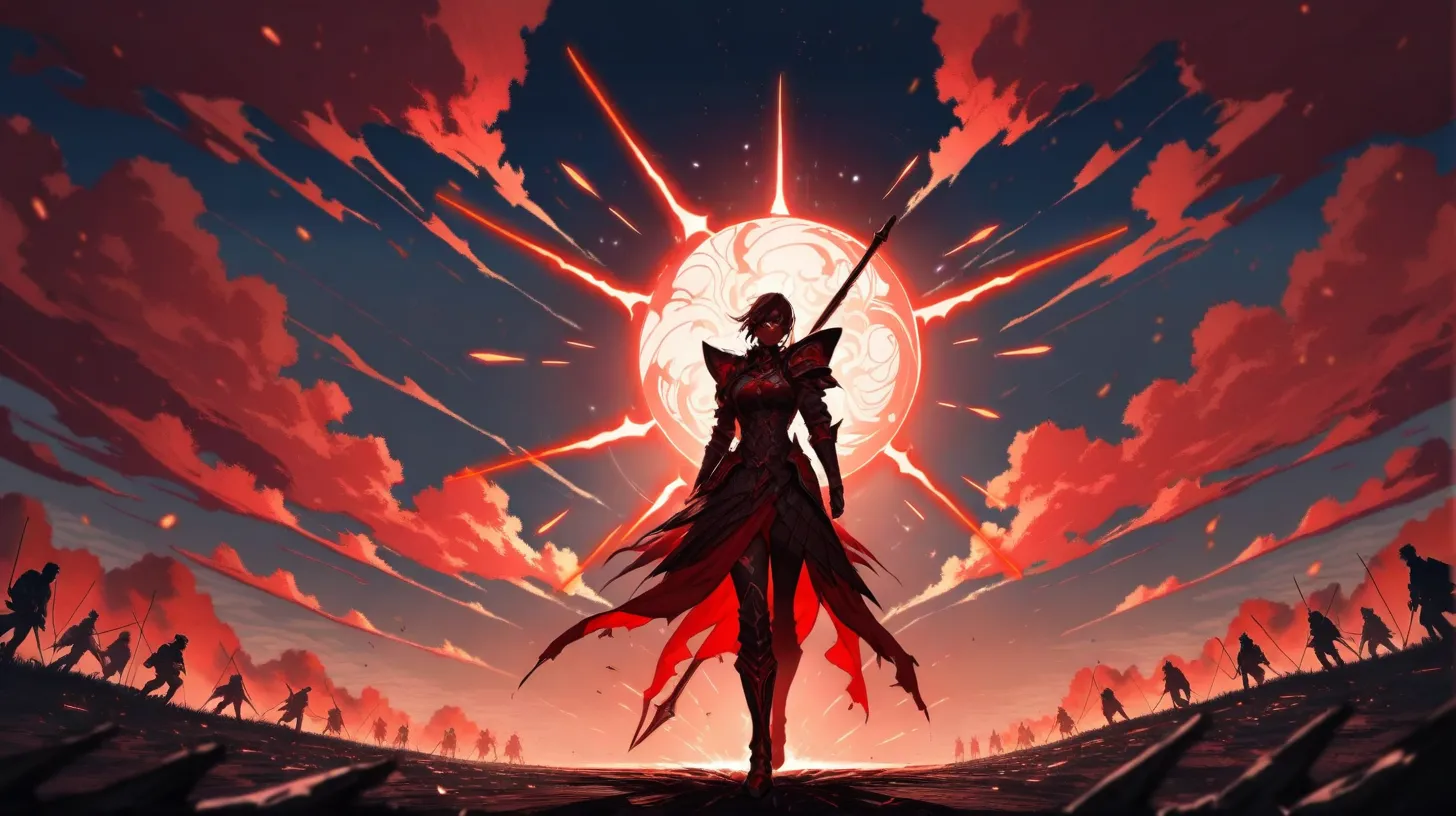
A campaign without factions is a campaign without gravity. Things happen, but nothing pulls. Players make decisions in a vacuum, with no rivals to outmaneuver and no allies to disappoint. The world feels static. Conflict, when it appears, has to be hand-cranked by the DM.
Factions fix this. A well-designed faction system generates plots automatically, gives every player choice consequences, and turns your world into a game of interconnected ambitions where pulling on one thread tightens all the others.
What Makes a Faction Work
Most homebrew factions fail the same way: they exist as flavor text. "The Crimson Order is a guild of assassins who serve dark purposes." Cool. Now what? They have a name and a vibe but no engine — no reason for players to care, no reason for them to do anything, and no way for the DM to use them in a session.
A faction that drives conflict has four working parts:
- A goal — something they're actively trying to accomplish, right now
- A method — how they pursue that goal (force, diplomacy, faith, money, fear)
- A friction point — why their goal puts them in conflict with at least one other faction
- A face — a specific NPC who embodies the faction in the players' eyes
That's it. Lore, history, and aesthetics are seasoning — these four ingredients are the dish. If a faction has all four, it generates plots. If it's missing any, it sits in your notes doing nothing.
The Three-Faction Minimum
One faction isn't a system — it's a villain. Two factions create a binary, which is fine but limited. Three factions create geometry: alliances, betrayals, shifting balances, and the possibility of any two ganging up on the third. Three is the minimum number for political complexity.
For each of your three factions, write a one-sentence pitch that captures their goal and method:
- "The Coastal Merchants want to control sea trade through legal monopolies enforced by paid privateers."
- "The Free Sailors want to break the merchant cartel and restore open seas — by any means necessary, including piracy."
- "The Crown wants stability and tax revenue, so it tolerates the merchants but quietly negotiates with the sailors."
Notice how these three create conflict in every direction. Merchants vs. sailors. Crown vs. both. Players entering this situation can't help but pick sides — and every side has costs.
Designing Friction Points
The friction point is where factions touch. A faction goal that doesn't conflict with anyone is dead weight. Look for overlapping interests:
- Same resource — both factions want the same thing (territory, money, an artifact, a person)
- Opposing values — one faction's success requires the other's failure (the religious order can't tolerate the merchant cartel's corruption; the cartel can't tolerate the order's restrictions)
- Old grudges — historical events that can't be forgiven (the war, the betrayal, the assassination)
- Method clashes — both want the same outcome but disagree on how to get there (both want the kingdom safe, but one wants strict laws and the other wants free expression)
The strongest faction systems combine multiple friction types. Two factions might want the same resource AND have a historical grudge AND disagree on methods. Each layer of conflict adds dramatic potential.
Faction Goals That Generate Plot
Vague goals create vague plots. "The faction wants power" produces nothing. Specific, time-bound goals create urgency:
- "The faction wants to control the harbor city before the next election."
- "The faction wants to recover their stolen artifact before their leader dies."
- "The faction wants to expose the corruption of the high priest at the upcoming festival."
Each of these goals has built-in tension: a deadline, a stake, and a clear measure of success or failure. They tell the DM what the faction is doing while the players are off doing other things — which means the world keeps moving even when players aren't watching.
Tracking Faction State Over Time
A static faction is barely alive. A faction that changes — gaining or losing power, shifting alliances, suffering defeats, achieving goals — feels dynamic and consequential. Track these changes explicitly.
For each faction, maintain a current status:
- Power level — relative strength compared to other factions (rising, stable, declining)
- Current goal status — closer or further from achievement
- Key relationships — current alliances and hostilities
- Recent events — what happened in or around them since last session
A connected wiki with faction entries lets you track these changes in one place. When you update the merchant cartel's status after a player action, you can see which other factions are affected by clicking through their relations. The system surfaces the cascading consequences automatically.
Using Factions in Sessions
The Faction Hook
Every faction should be capable of generating an adventure hook on demand. When you need a session opener, ask: "What does each faction want, and who could they hire to get it?" The answer is your hook menu.
- Merchants need a discreet courier for a sensitive package
- Sailors need someone to investigate a missing crew
- Crown needs an outsider to verify which side is telling the truth
Three hooks, all from the same faction system, all interconnected. The party can take any of them — and whichever they choose, the others advance in the background.
The Faction Reaction
When players act, factions react. If the party helps the sailors, the merchants notice and shift their attitude. If the party exposes a corrupt official, every faction recalibrates their plans. After every session, ask: "How did each faction perceive this session's events?" Then update their state accordingly.
The Faction Clock
For each faction's current goal, track progress on a clock — a simple 0-to-8 marker representing how close they are to achieving it. The clock advances each session whether the players intervene or not. When it fills, the goal happens. This creates urgency and forces players to choose what they're willing to ignore.
Common Faction System Mistakes
The Symmetry Trap
Three factions with equal power, equal stakes, and equal moral standing feels balanced — and boring. Asymmetry creates interest. One faction is dominant but losing ground. Another is weak but scrappy. A third is morally compromised but actually competent. These differences give players reasons to pick sides.
The "Evil" Faction
A faction that exists purely to be defeated isn't a faction — it's a dungeon. The best antagonist factions have understandable motives. They're not wrong because they're bad; they're wrong because their solution comes at someone else's expense. Players who can sympathize with the "enemy" engage more deeply than players who just want to kill bad guys.
Static Factions
If your factions are the same in session 30 as they were in session 1, they're not really factions — they're set dressing. Make them rise and fall. Let the players permanently weaken or empower them. The campaign world should look different at the end than it did at the start, and faction state is the most visible measure of that change.
From Three to Many
Once you've got three factions running, you can add more — slowly. A new faction every 5-10 sessions, introduced when its goals start touching the existing web. Don't try to launch with seven factions; you'll lose track of all of them. Build the system, let it run, and add complexity only when the existing factions are well-established.
Faction systems are how campaigns become more than a series of adventures. They turn your world into a place with its own momentum — a place where the story would happen even if the players weren't there to push it. That's what makes a campaign feel alive.
Keep reading
More from this topic
Ultimate Guide: Worldbuilding
Learn worldbuilding from scratch. This comprehensive guide covers techniques, tools, and frameworks for building rich fantasy worlds for tabletop RPGs, fiction, and games.
Fantasy World Name Generator: Complete Guide
Fantasy World Building: A Complete Resource
Start building your world today
A linked wiki, a timeline and a live DM screen — free, in your browser, no account needed.