D&D Trap Generator
D&D 5e
D&D 5e Trap Generator
Setback, Dangerous, and Deadly traps balanced by character level
Free · No signup · Click any result to copy
Free D&D 5e trap generator. Pick severity (Setback, Dangerous, Deadly) and character level — get DMG-balanced traps with triggers, damage, save DCs, and disarm hints.
Save the trap to your dungeon prep — diagrams, DCs, and all.
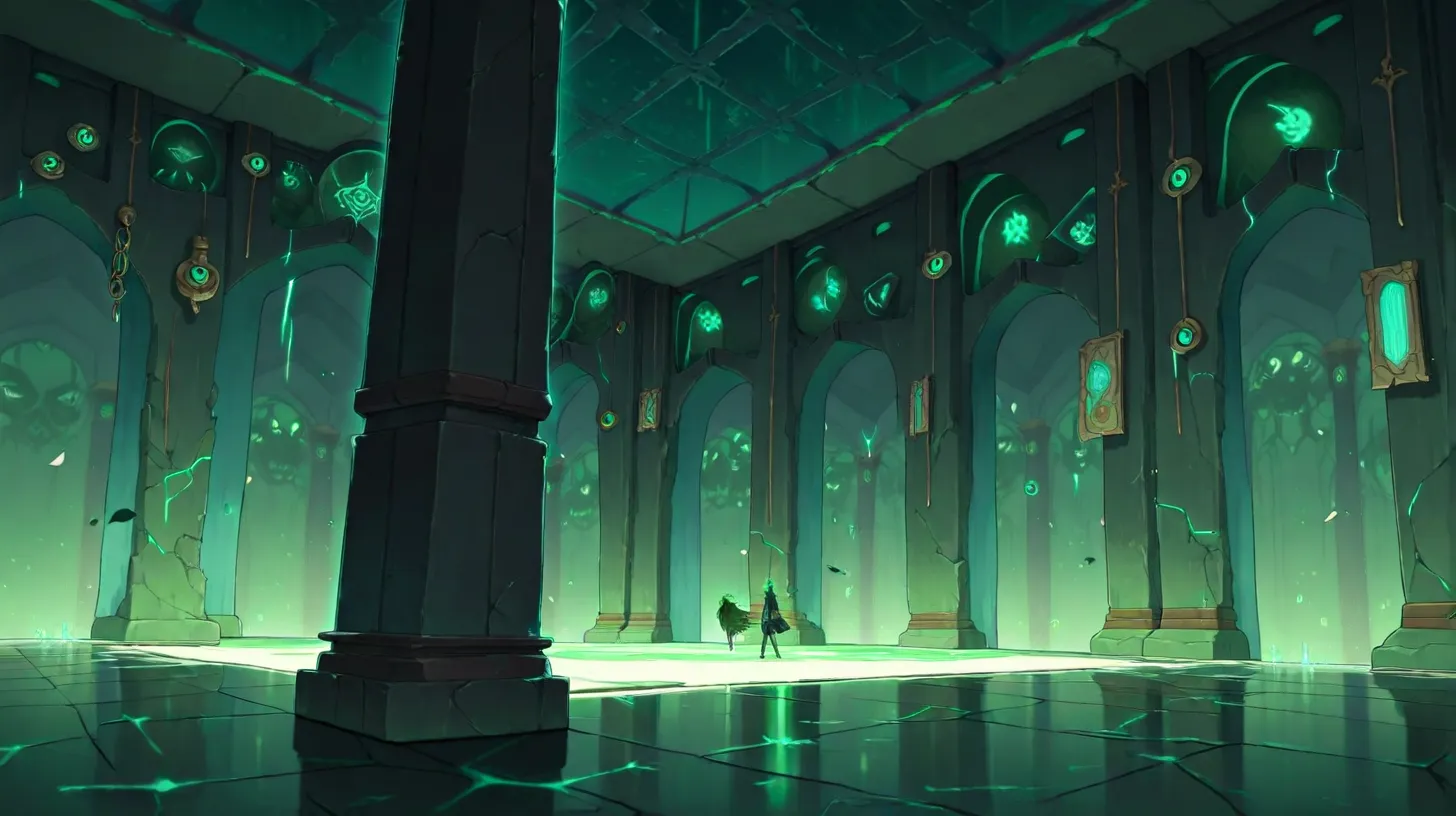
A great D&D trap is more than just damage — it's a moment of tension where the party has to decide whether to push forward, search, or back out. This generator builds traps in three categories (mechanical, magical, environmental), three severity bands (Setback, Dangerous, Deadly), and four character-level tiers (1–4, 5–10, 11–16, 17–20). Each trap comes with a full description: trigger, effect, save DC, detection hint, and disarm method.
Pick severity, level band, and category. The generator returns a ready-to-run trap that fits the 5e DMG damage and DC tables. Click "Copy trap" to drop it into your dungeon prep.
Pair traps with our Dungeon Generator for a full dungeon layout and our Encounter Builder for the fights between them.
Trap Severity in 5e — What Each Band Means
The 5e DMG splits traps into three severities. The distinction matters because it tells you what role the trap plays in a session's pacing:
| Severity | Damage Range | Role |
|---|---|---|
| Setback | 1d10 (low) to 10d10 (high level) | Costs resources but unlikely to kill. Atmospheric, attrition-focused. |
| Dangerous | 2d10 (low) to 18d10 (high level) | Real damage. A single PC might be knocked unconscious. |
| Deadly | 4d10 (low) to 24d10 (high level) | Can kill an unlucky PC outright. Use sparingly and telegraph. |
The generator scales damage automatically to the level band you select. Setback traps for level 17+ still deal 10d10 — they just won't threaten the party's lives.
Mechanical, Magical, and Environmental — How Each Plays Different
Three kinds of trap, three kinds of player engagement:
- Mechanical traps. Pits, swinging blades, dart walls, collapsing ceilings. Detected by Perception (visual cues — scratches, holes, soot), disarmed with Thieves' Tools. The rogue's spotlight.
- Magical traps. Glyphs, runes, symbols, illusory floors. Detected via Detect Magic, Arcana, or Investigation. Disarmed via Dispel Magic, counterspell, or bypass tricks (insulating, not speaking, walking around). The caster's spotlight.
- Environmental traps. Poison gas, flooding chambers, fireball plates. Detected via Perception or Survival. Disarmed by blocking vents, redirecting flow, or simply not triggering. The party's collective problem.
Mix categories within a dungeon. A pure-mechanical dungeon is a rogue showcase; a varied dungeon spreads the spotlight across the whole party.
Detection vs Disarm — Two Different Skill Checks
5e traps work in two phases. Both have DCs scaled to severity and level:
- Detection. Passive Perception or active Investigation. The DC is usually 2 lower than the disarm DC — finding a trap should be easier than disabling it. Pay attention to what the PC sees: the chip in the floor, the hairline scratch on the wall, the smell of ozone.
- Disarm. Thieves' Tools (mechanical), Arcana or Dispel Magic (magical), or environmental knowledge (Survival, Engineering). The disarm hint is half the fun — "wedging the plate with iron spikes" or "covering the symbol before reading" gives players a creative path that doesn't rely on a single roll.
When to Telegraph and When to Surprise
Deadly traps that aren't telegraphed feel unfair. Setback traps that are telegraphed feel pointless. A workable rule:
- Setback traps: can be totally invisible. They're cheap. Spring them as part of the dungeon's atmosphere.
- Dangerous traps: give one warning sign. A skeleton stuck in a previous trigger. Scorch marks. A previous adventurer's journal.
- Deadly traps: always telegraph. The rules of the dungeon should make it clear that this place punishes carelessness — the corpse in the hallway, the warning rune, the NPC who barely escaped. When the party walks in eyes open, the deadly trap is fair.
Building a Trapped Dungeon Without It Feeling Like a Skill-Check Tunnel
A dungeon that's 80% traps becomes a chore. Three rules to keep traps engaging:
- One trap per major room, not per corridor. Traps should be discrete events, not background damage.
- Mix trap types. The party should never know what to expect — a mechanical room followed by a magical one keeps them on guard without making any single check matter too much.
- Reward creative solutions. If a player figures out how to bypass without the standard skill check, let them. The trap's purpose is tension, not gating.
For full dungeon design, see our Dungeon Generator and the Map Making & Cartography cluster.
A trap is a memory the party doesn't want to repeat.
Save the traps your party actually faced — DCs, damage, and the moment Bardyn the rogue almost died. Build a session-prep library so your next dungeon never reuses the same trick.
- Save traps into your dungeon prep with stats, descriptions, and reuse counters
- Link each trap to the dungeon it lives in and the party member who failed the save
- Build a trap deck you can shuffle for one-shots and quick session prep
Free to start · No credit card · Your generated content stays free to use anywhere
Keep going
More free tools

D&D Dice Roller
Free online dice roller for D&D and any TTRPG. Roll d4–d20 and d100, build multi-dice pools, add modifiers, roll with advantage or disadvantage, and type full expressions like 2d6+3 or 4d6kh3.
D&D Encounter Builder
Free 5e encounter builder — pick party level, size, and difficulty (Easy / Medium / Hard / Deadly). The tool calculates XP thresholds and assembles a CR-balanced encounter in seconds.

D&D Spell Generator
Free D&D 5e–style spell generator. Pick level (cantrip → 9) and school of magic — get a complete spell with casting time, range, components, duration, and effect.

Dungeon Generator
Free dungeon generator for D&D and TTRPGs. Pick size (small, medium, large) and theme (ruins, crypt, cave, temple, fortress, sewer) — get a procedural dungeon with rooms, encounters, traps, and loot.