Half-Orc 5e: The Complete Race Guide (Subraces, Builds & Roleplay)
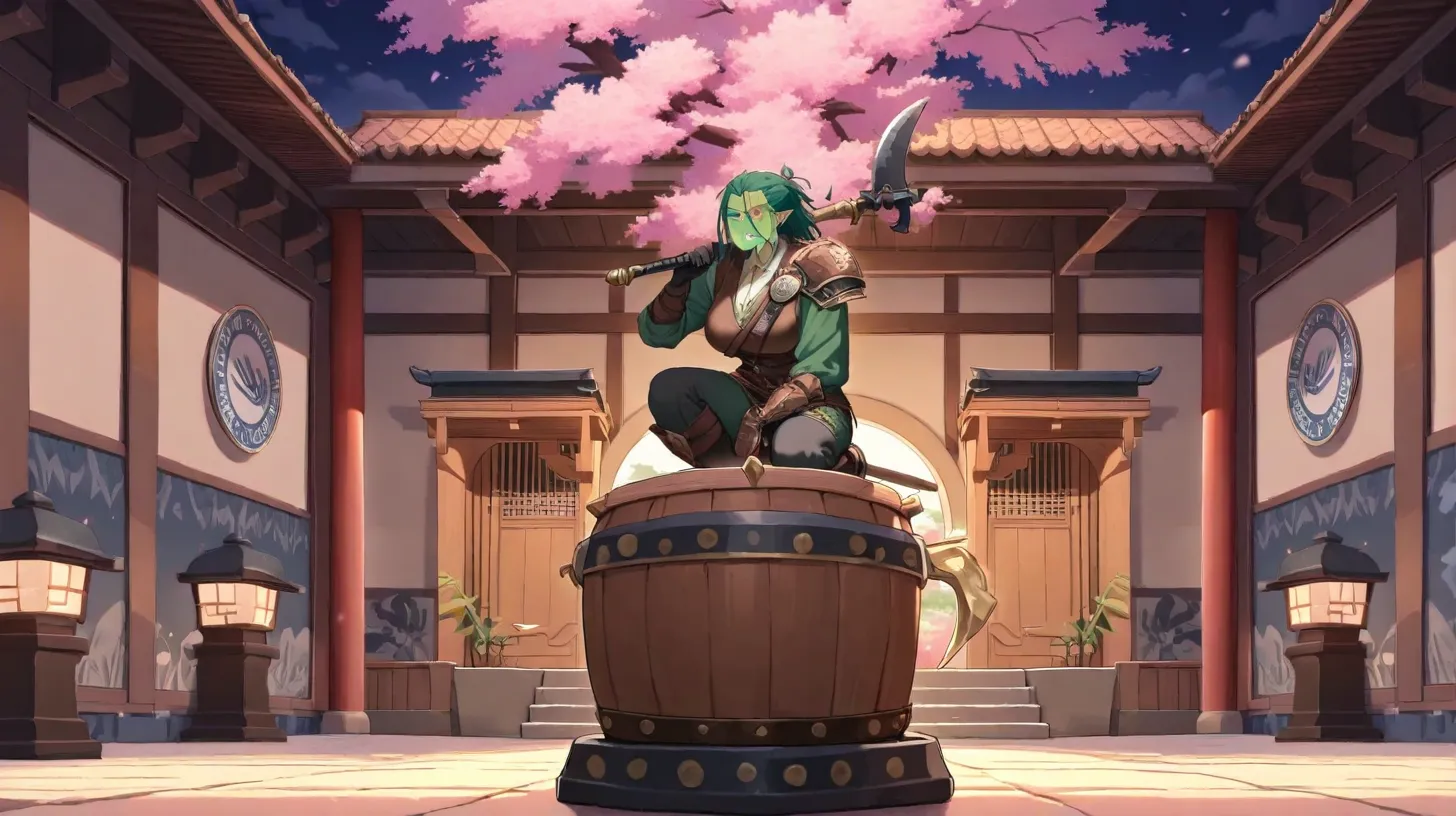
The half-orc is the race with the strongest "I refuse to die" feature in 5e — Relentless Endurance lets you drop to 1 HP instead of 0 once per long rest, no save, no spell slot, just a built-in second life. Combined with Savage Attacks (extra die on melee crits) and the +2 Strength baseline, the half-orc is one of the strongest pure-martial chassis in the Player's Handbook. And yet most players who pick half-orc default to "barbarian, raging, axe" and call it done — leaving 80% of the chassis on the table.
The other half of the race is roleplay. Half-orcs come pre-loaded with cultural shorthand: the brutal-orc-noble-half, the outsider in human society, the warrior who fears their own anger. These work as starting points but they've been written a thousand times. This guide walks through the full chassis, the best class fits (it's not just barbarian), the lore, the names, and roleplay archetypes that escape the rage-machine cliché.
The Half-Orc at a Glance
Base half-orc features:
- Ability scores: +2 Strength, +1 Constitution (or flexible in 2024 rules)
- Age: mature in early teens, live ~75 years
- Size: Medium
- Speed: 30 feet
- Darkvision: 60 feet
- Menacing: proficiency in Intimidation
- Relentless Endurance: when reduced to 0 HP but not killed outright, drop to 1 HP instead, 1/long rest
- Savage Attacks: on melee crit, roll one additional weapon damage die
- Languages: Common, Orc
The two signature features are Relentless Endurance and Savage Attacks. Relentless is the strongest "save yourself" feature in the game — once per long rest, you turn an unconscious moment into a "still in the fight" moment. Savage Attacks adds an extra weapon die on every melee crit; over a campaign, this adds up to dozens of extra damage rolls and can shift entire boss fights.
Combined with +2 Strength baseline, the half-orc is the toughest pure-Strength race in the Player's Handbook — competitive with mountain dwarves for raw martial chassis, but trading the speed bonus for revivability.
No Subraces, but Variants
The half-orc PHB is a single race with no subraces. Variant content adds:
- Mark of Finding (Eberron). +1 Wisdom, Hunter's Mark and Locate Object. Strong for ranger/scout flavor.
- Custom Lineage (Tasha's). Replaces the half-orc with a flexible chassis. Some players prefer it for stat optimization; others lose the racial flavor.
The base PHB half-orc is, mechanically, fine on its own — Mark of Finding adds magical flavor but isn't strictly stronger. Stick with the standard kit unless your DM is running an Eberron campaign.
Best Classes for Half-Orcs
- Barbarian (any path). The classic. +Str, +Con, Savage Attacks stack with Brutal Critical for absurd crit damage. Relentless Endurance + Rage damage resistance + bear totem makes you nearly immortal.
- Fighter (Champion). Champion Fighter's expanded crit range plus Savage Attacks = crits are common and devastating. The strongest non-barbarian half-orc class.
- Paladin (Vengeance, Conquest). +Str + Cha-positive feats; smites benefit from extra damage on crits.
- Cleric (War, Forge, Tempest). Strength-based clerics use Savage Attacks on Spirit Guardian-fueled melee.
- Rogue (Inquisitive, Mastermind). Counter-intuitive but works — Sneak Attack on a crit gets the extra die.
- Ranger. Hunter's Mark + Strength build with crit-fishing.
The half-orc is bad at: wizard, sorcerer, warlock, bard. The +2 Strength is wasted on caster classes, and the chassis doesn't help magic-focused builds.
Stat Priority & Build Notes
Strength-based martials:
- Strength — already +2; 16+ at level 1, 20 by level 8
- Constitution — already +1; 16+
- Dexterity — 14 baseline for AC and initiative
- Wisdom — 12+ for save proficiencies
The half-orc rewards investment in feats over straight stat boosts more than most races. Particularly strong feats:
- Great Weapon Master: -5 attack for +10 damage; works beautifully with Savage Attacks crits.
- Polearm Master: reaction attack opportunity, bonus action attack.
- Sentinel: stop fleeing enemies, opportunity attacks against allies blocked.
- Tough: +2 HP per level (+40 HP at level 20), making Relentless Endurance even harder to overcome.
The combination of Great Weapon Master + Savage Attacks + Brutal Critical (barbarian feature) is one of the strongest damage-on-crit packages in the game. Half-orc barbarian fighters who build for crits do absurd damage.
Common Mistakes
- Forgetting Relentless Endurance until you die. When you drop to 0 HP, the DM should ask "Relentless Endurance?" before rolling death saves. If they don't, remind them. It's a mechanical free save, not optional.
- Forgetting Savage Attacks on crits. Every crit on melee adds an extra weapon damage die. Many players roll 2d6 + bonus on crit and forget the third die. Read your sheet.
- Skipping Intimidation. You have proficiency. Use it. Half-orc characters who never intimidate are leaving a built-in skill on the table.
- Defaulting to barbarian. The chassis fits fighter, paladin, cleric, and ranger just as well. See the class section.
- Playing the "scary noble savage" stereotype. See the roleplay section.
Lore: The Half-Orc's Cultural Position
Half-orcs are usually born of orc and human parents — and the historical context of that pairing is rarely peaceful. Most published settings acknowledge that half-orcs often come from violent unions or refugee populations. This is dark territory, and it's worth thinking about carefully.
Modern (2024) D&D settings have shifted to portray half-orcs as their own people, with peaceful communities, intermarriage, diaspora populations, and cultural distinctness from both orcs and humans. The "child of violence" backstory is no longer the default — it's one option among many.
- The mixed community. Some settings have half-orc towns where most residents are mixed-heritage and orcs and humans both visit peacefully. The PC may have grown up here.
- The orcish raider tradition. Some half-orcs are raised in orc warbands as full members. Their human heritage is incidental.
- The human-raised half-orc. Adopted, fostered, or raised in human society. Identifies as human; carries the orc heritage as a question.
- The dispossessed. Refugees from a war that displaced both peoples. Have made common cause with humans of similar histories.
The lore is what you make of it. The character can engage with the heritage tension or sidestep it entirely. Both are valid.
Roleplay Archetypes Beyond the Stereotype
The flat half-orc is "scary, angry, fears their own rage." Try these:
- The disciplined warrior. Trained as a soldier, knight, or guild fighter. Has self-control as a virtue. Might find the "raging barbarian" stereotype offensive when others assume it.
- The peace-keeper. Has spent decades being the one who keeps fights from escalating. Is good at de-escalation. Knows their physical presence helps. Refuses to use it for intimidation.
- The scholar. Studied at a university or magic school. Reads ancient orcish manuscripts most humans can't. Is bored when people assume they're a bouncer.
- The merchant. Negotiator. Uses Intimidation skill but rarely needs to draw a weapon. Charges premium prices.
- The artist. Sculptor, painter, musician. Hates that everyone asks them about their fighting style first. Has more depth than they show in encounters.
What's important: the chassis is +2 Strength and +1 Con — but Strength doesn't define personality. A high-Strength character can be gentle, scholarly, artistic, diplomatic. The character is what you make them. Our character bible guide covers identity construction; the half-orc rewards this work because the cultural shorthand is so heavy.
The Half-Orc at the Table
Mechanically, the half-orc is the toughest "save yourself" race in 5e — Relentless Endurance is one of the most lifesaving features in the game. Pair it with crit-fishing builds (barbarian, champion fighter, GWM paladin) and you've got one of the highest-damage, highest-survivability martial chassis in the game. Build the character against the cultural shorthand — disciplined, scholarly, artistic, peaceful — and the half-orc transcends the stereotypes most players default to. For naming, our orc name generator handles tonal options for half-orc characters. For broader character work, our character bible and character sheet guide. To explore sibling races, browse the full races, species & lineages cluster.
Keep reading
More from this topic
Elf 5e: The Complete Race Guide (Subraces, Builds & Roleplay)
The elf is the most-played race in D&D for a reason — Dex bonuses, perception advantage, fey ancestry, and four hours of sleep make them the strongest baseline race in the game. Here's the full breakdown across all eight subraces.
Dragonborn 5e: The Complete Race Guide (Subraces, Builds & Roleplay)
The dragonborn is the most underplayed great race in 5e — a draconic warrior with built-in breath weapon, elemental resistance, and the most striking visual identity in the Player's Handbook. Here's how to build one that earns its dragon blood.
Dwarf 5e: The Complete Race Guide (Subraces, Builds & Roleplay)
The dwarf is the toughest baseline race in D&D — Constitution bonus, poison resistance, and a hit-die-stacking subrace that makes dwarven characters near-impossible to kill. Here's how to build one across all four subraces.
Start building your world today
Maps, wikis, timelines, and AI tools — everything you need to bring your world to life, in one place.