Topic
Races, Species & Lineages
D&D 5e race guides for dwarves, elves, half-elves, half-orcs, dragonborn, genasi, tieflings, and tabaxi, compared by traits, class fit, and roleplay hooks.
Your character's race (called "species" in the 2024 Player's Handbook) is the first thing other characters notice and often the last thing players think about after stats. Choose well and it gives you free roleplaying material: a homeland, a reputation, a body that moves through the world differently. This page, part of the Character & NPC hub, compares the race guides we have published and explains how to turn a race into a person rather than a stereotype.
How to Choose a Race for Your Character Concept
Start with the concept, not the bonuses. Write one sentence about who the character is ("a disgraced temple guard looking for redemption") and then ask which race makes that sentence more interesting. A dwarf temple guard carries clan shame; a tiefling one has spent a lifetime proving people wrong about her blood.
Then check the mechanics, and know which ruleset your table uses:
- 2014 rules: each race grants fixed ability score increases, so a half-orc naturally leans toward Strength classes and a tiefling toward Charisma casters.
- 2014 with Tasha's Cauldron of Everything: the optional "Customizing Your Origin" rule lets you move those increases to other abilities, so a half-orc wizard is no longer a handicap.
- 2024 rules: ability score increases come from your background instead of your species, so species choice is about traits such as darkvision, resistances, and innate magic.
In practice, the less your table optimizes, the more freely you should pick on flavor. A race that fits the story will be remembered long after a +1 is forgotten.
The Races We Cover, Compared
Ability scores below are the 2014 defaults, since that is where race and class fit is most visible; each guide also covers newer rules.
| Race | Signature traits | Natural class fits | Roleplaying hook |
|---|---|---|---|
| Dwarf | +2 Con, darkvision, poison resistance, speed not reduced by heavy armor | Cleric, fighter, paladin | A grudge, an oath, or a clan you are trying to restore |
| Elf | +2 Dex, Perception, Fey Ancestry, Trance | Ranger, rogue, wizard (high elf) | Watching human friends age while you barely change |
| Half-Elf | +2 Cha and +1 to two others, two extra skills | Bard, warlock, sorcerer, paladin | Belonging fully to neither parent's world |
| Half-Orc | +2 Str, +1 Con, Relentless Endurance, Savage Attacks | Barbarian, fighter, paladin | A reputation that arrives before you do |
| Dragonborn | +2 Str, +1 Cha, breath weapon, damage resistance by ancestry | Paladin, sorcerer, fighter | Clan honor, and what your draconic ancestry means to you |
| Genasi | Air, earth, fire, or water heritage with matching innate magic | Depends on element; strong for casters and monks | A body that visibly carries a plane of existence |
| Tiefling | +2 Cha, +1 Int, fire resistance, Infernal Legacy spells | Warlock, sorcerer, bard | Constant suspicion, and choosing a virtue name to answer it |
| Tabaxi | +2 Dex, +1 Cha, Feline Agility, climbing speed, claws | Rogue, monk, ranger | An obsessive curiosity for stories, secrets, and shiny objects |
Want the class side of the equation? The classes and builds guides cover primary abilities and playstyles for ten classes.
Playing a Race Beyond the Stereotype
The grumpy dwarf and the aloof elf exist because they are easy to read at the table, and there is nothing wrong with leaning into an archetype. The problem is a character who is only their race. Three questions fix that:
- How did your people treat you? A dwarf raised far from any hold, or a dragonborn whose clan expelled them, has a relationship to their culture rather than a copy of it.
- What did you keep? Pick one tradition the character still honors, such as a dwarven grudge ledger or an elven name earned at adulthood.
- What did you reject? Pick one expectation they refuse. A half-orc scholar who hates being asked to carry things is instantly specific.
Separating culture from biology also helps: a tiefling's horns are biology, but how she feels about them is upbringing. That gap is where good roleplay happens. Bring these answers to your DM before the campaign; the guide to handling player backstories shows how DMs turn them into plot.
Fitting Races Into Your Own World
For DMs, a race on the character sheet is a promise that the world has room for it. Before session one, decide for each playable race where its people live, what the dominant culture thinks of them, and one recent event that affected them. A dragonborn player in a setting where dragons razed the capital ten years ago will have a very different first scene from one in a setting where dragonborn guard the royal family.
Mixed heritage deserves the same attention. The 2024 rules drop half-elf and half-orc as separate species; a character with parents of different species uses one species' game traits and can blend the other's appearance. That makes the heritage a story question rather than a stat block, and it is worth asking how each side of the family sees the character. If you keep these notes in a wiki, link each race entry to its homeland and factions so the connections stay visible; connecting your world's lore covers that approach.
Reading Path: From Race to Finished Character
- How to Run a Session Zero — agree on which races exist and how the setting treats them before anyone commits.
- How to Build a Faction System — give each race's institutions goals that pull on player characters.
- Dwarf Name Generator — clan-ready names for dwarven characters and NPCs.
- Elf Name Generator — flowing elvish names for elves and half-elves.
- Tiefling Name Generator — infernal birth names and virtue names.
- Dragonborn Name Generator — clan and personal names in the draconic style.
- How to Build a Character Bible — document culture, family, and habits so the character stays consistent.
Frequently Asked Questions
What is the best race in D&D 5e for beginners?
Races with simple, always-on traits are easiest: dwarves and half-orcs are hard to kill and need no tracking, while elves give useful senses with nothing to manage. Pick one whose look and culture you are excited to play, since that matters more over a long campaign.
What is the difference between race and species in D&D?
They describe the same thing. The 2024 rules renamed "race" to "species" and moved ability score increases to backgrounds, but dwarves, elves, tieflings, and the rest work as they always have at the table.
Can I still play a half-elf or half-orc with the 2024 rules?
Not as a separate species. Under the 2024 rules, you pick one parent's species for your traits and describe mixed heritage in your appearance and backstory. Many tables also still allow the 2014 versions, so ask your DM.
Does race choice still matter if ability bonuses are flexible?
Yes, because traits like darkvision, flight, resistances, and innate spells change how you solve problems, and race shapes how the world reacts to you. It matters less for raw numbers and more for story.
Read
Articles
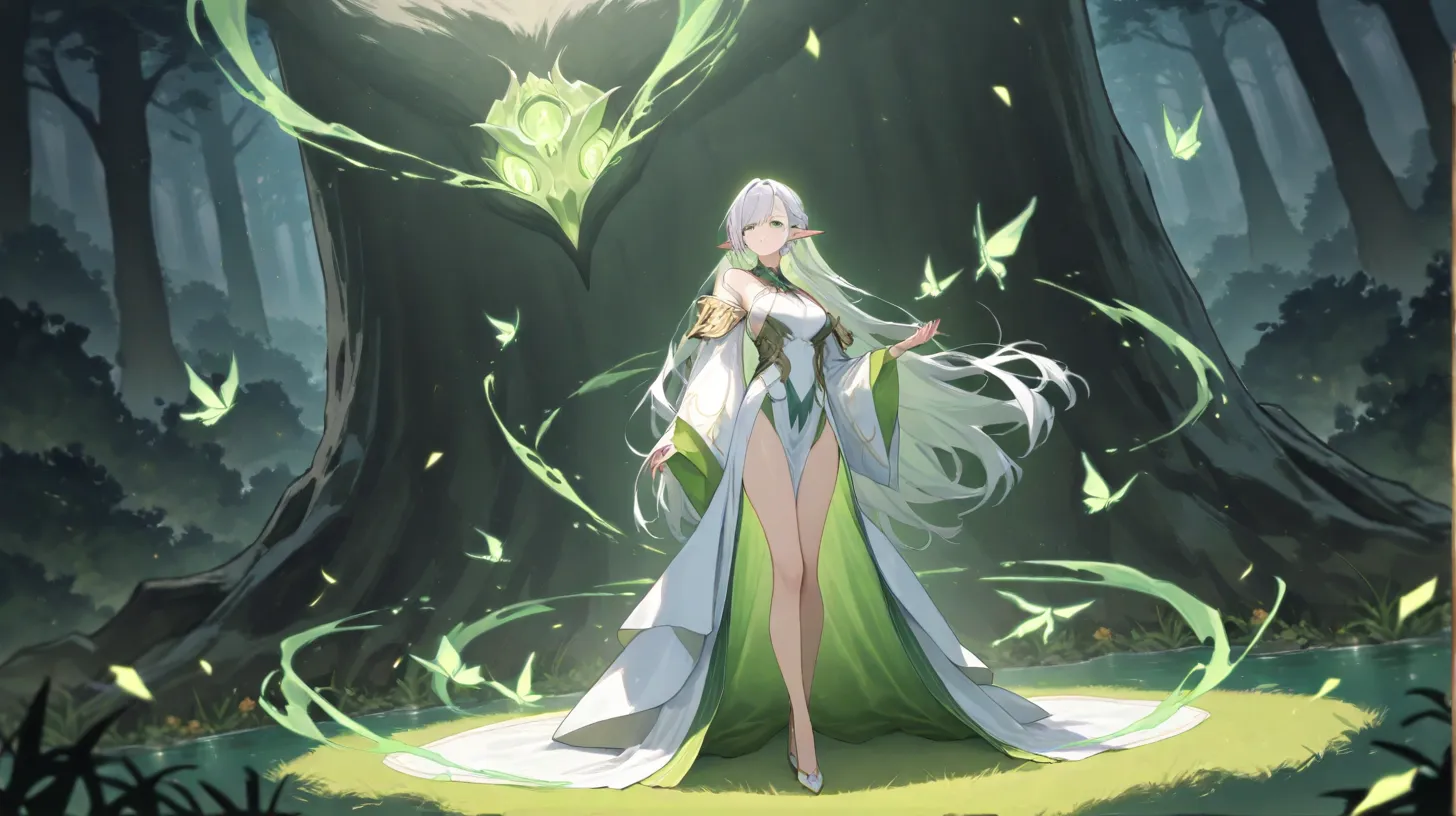
Elf 5e: The Complete Race Guide (Subraces, Builds & Roleplay)
The elf is the most-played race in D&D for a reason — Dex bonuses, perception advantage, fey ancestry, and four hours of sleep make them the strongest baseline race in the game. Here's the full breakdown across all eight subraces.
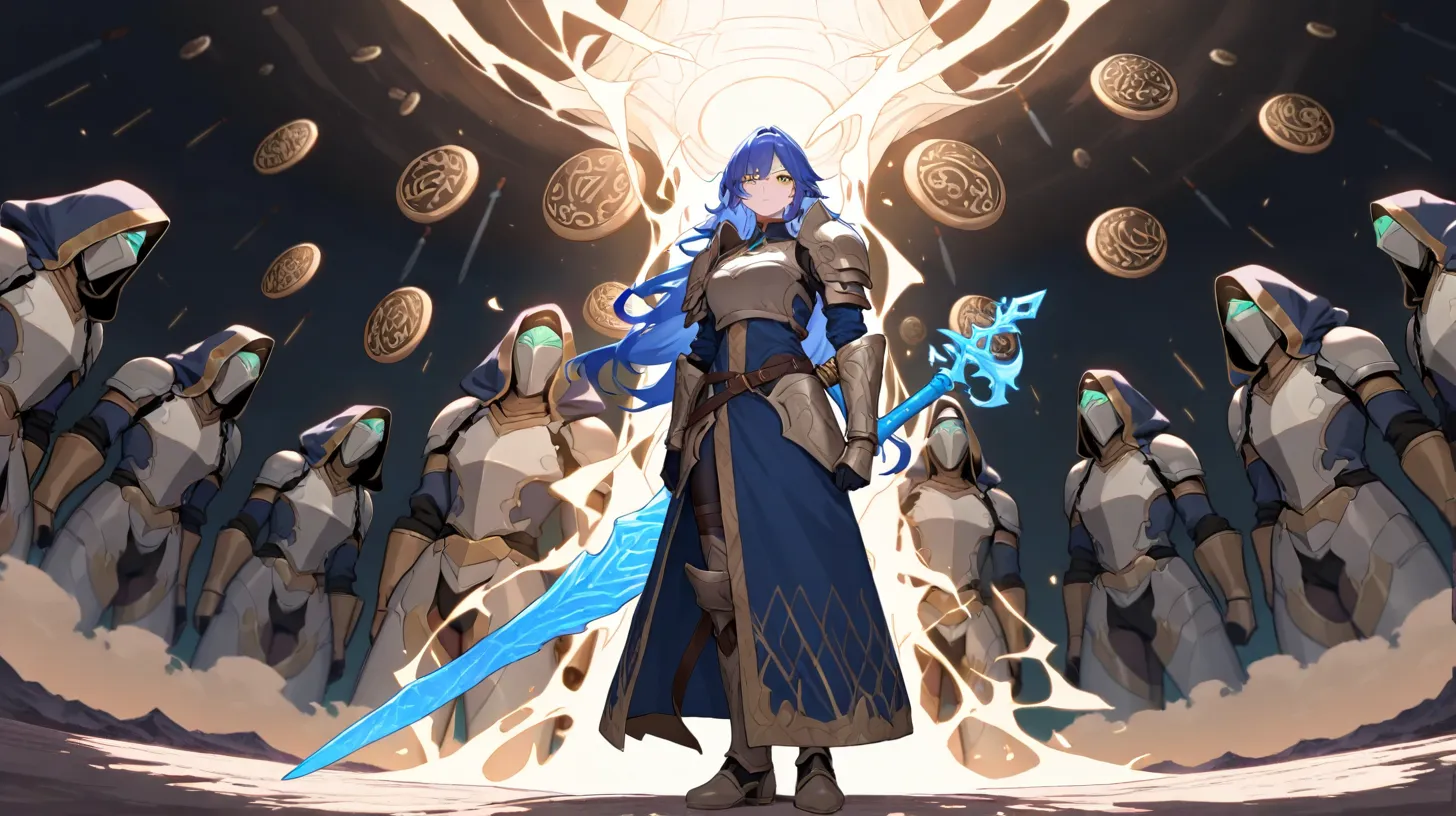
Dragonborn 5e: The Complete Race Guide (Subraces, Builds & Roleplay)
The dragonborn is the most underplayed great race in 5e — a draconic warrior with built-in breath weapon, elemental resistance, and the most striking visual identity in the Player's Handbook. Here's how to build one that earns its dragon blood.
Dwarf 5e: The Complete Race Guide (Subraces, Builds & Roleplay)
The dwarf is the toughest baseline race in D&D — Constitution bonus, poison resistance, and a hit-die-stacking subrace that makes dwarven characters near-impossible to kill. Here's how to build one across all four subraces.
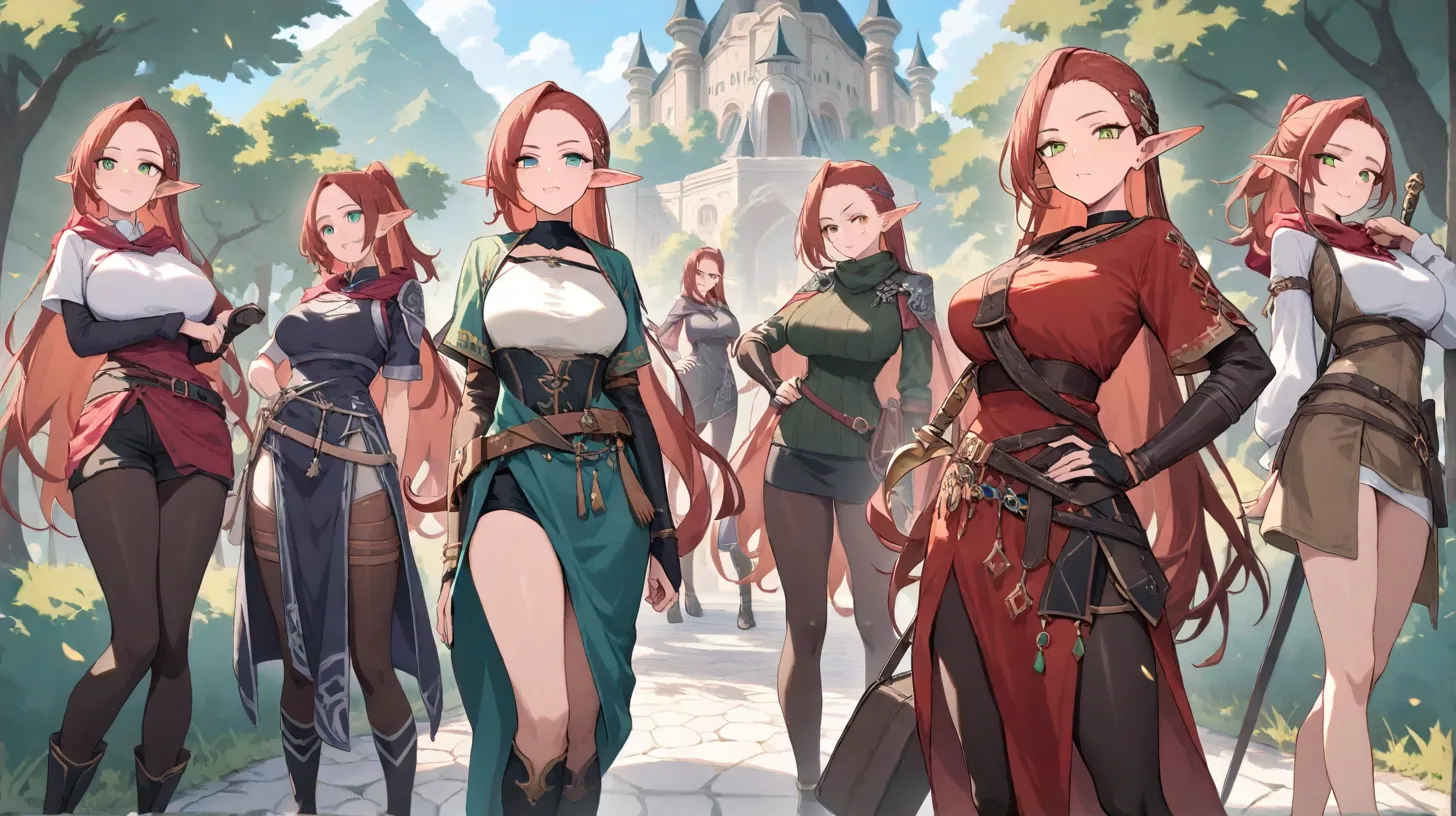
Half-Elf 5e: The Complete Race Guide (Subraces, Builds & Roleplay)
The half-elf is the most flexible race in 5e — three ability bonuses (instead of two), elf perception, fey ancestry, and a chassis that fits literally any class. Here's how to play one without leaning on the "between two worlds" trope.

Half-Orc 5e: The Complete Race Guide (Subraces, Builds & Roleplay)
The half-orc is the most-mispositioned race in 5e — Relentless Endurance saves you from death once per long rest, Savage Attacks adds a die to crits, and the chassis fits any martial. Here's how to play one beyond the "barbarian rage machine" stereotype.
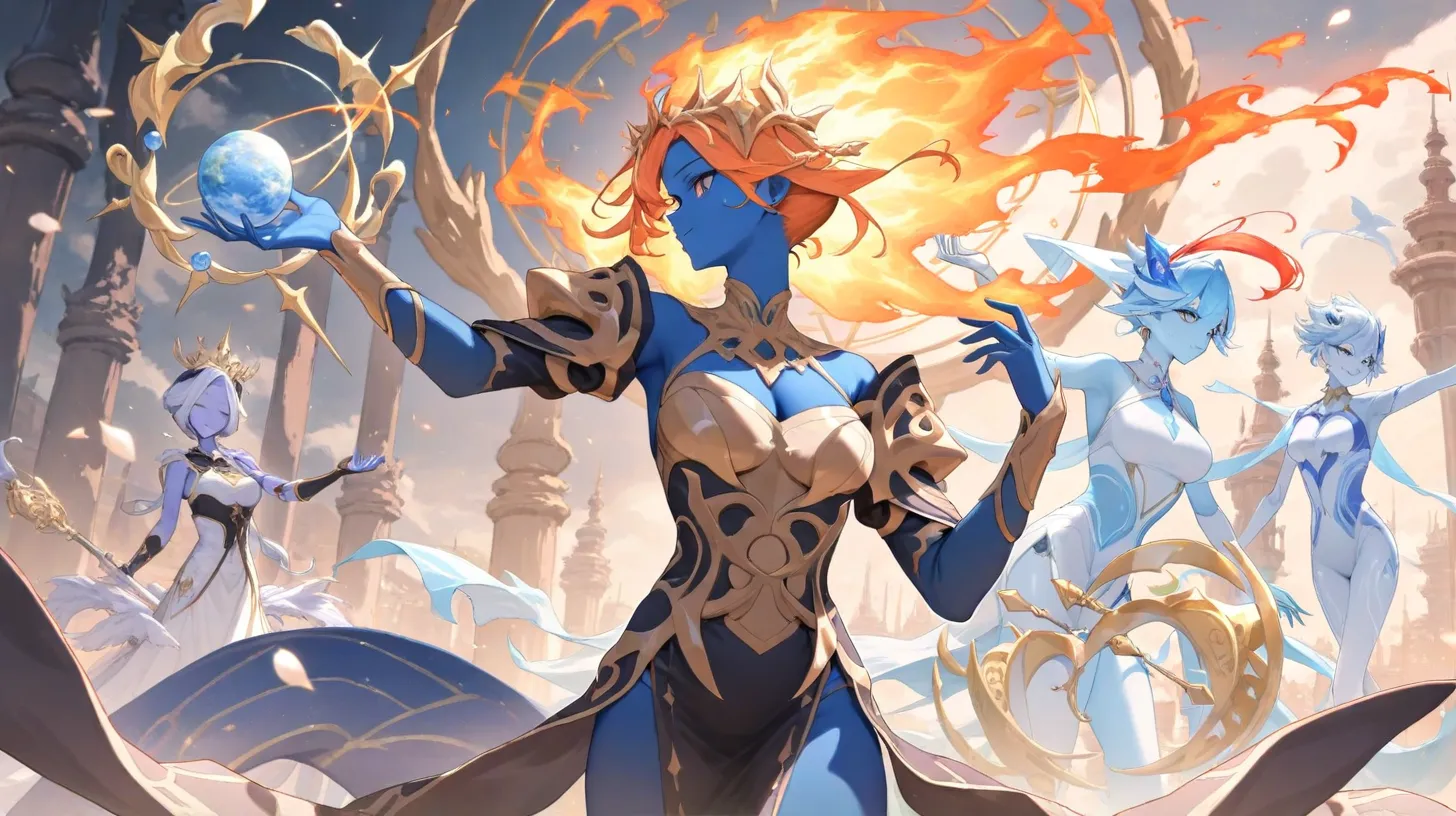
Genasi 5e: The Complete Race Guide (Air, Earth, Fire, Water Subraces)
The genasi is the most distinctive Charisma-positive race in 5e — four elemental subraces with built-in spells, resistances, and visual identities you don't get anywhere else. Here's how to play air, earth, fire, and water genasi.
Sibling topics
Also in Character & NPC Hub
Start building your world today
A linked wiki, a timeline and a live DM screen — free, in your browser, no account needed.