Treasure Hoard Generator
D&D 5e
D&D 5e Treasure Hoard Generator
DMG-style hoards by CR tier — coins, gems, art objects, and magic items
Free · No signup · Click any result to copy
Free D&D 5e treasure hoard generator. Pick a CR tier (0–4, 5–10, 11–16, 17+) and get coins, gems, art objects, and magic items balanced to the level.
Track every hoard your party found — across every session, every campaign.
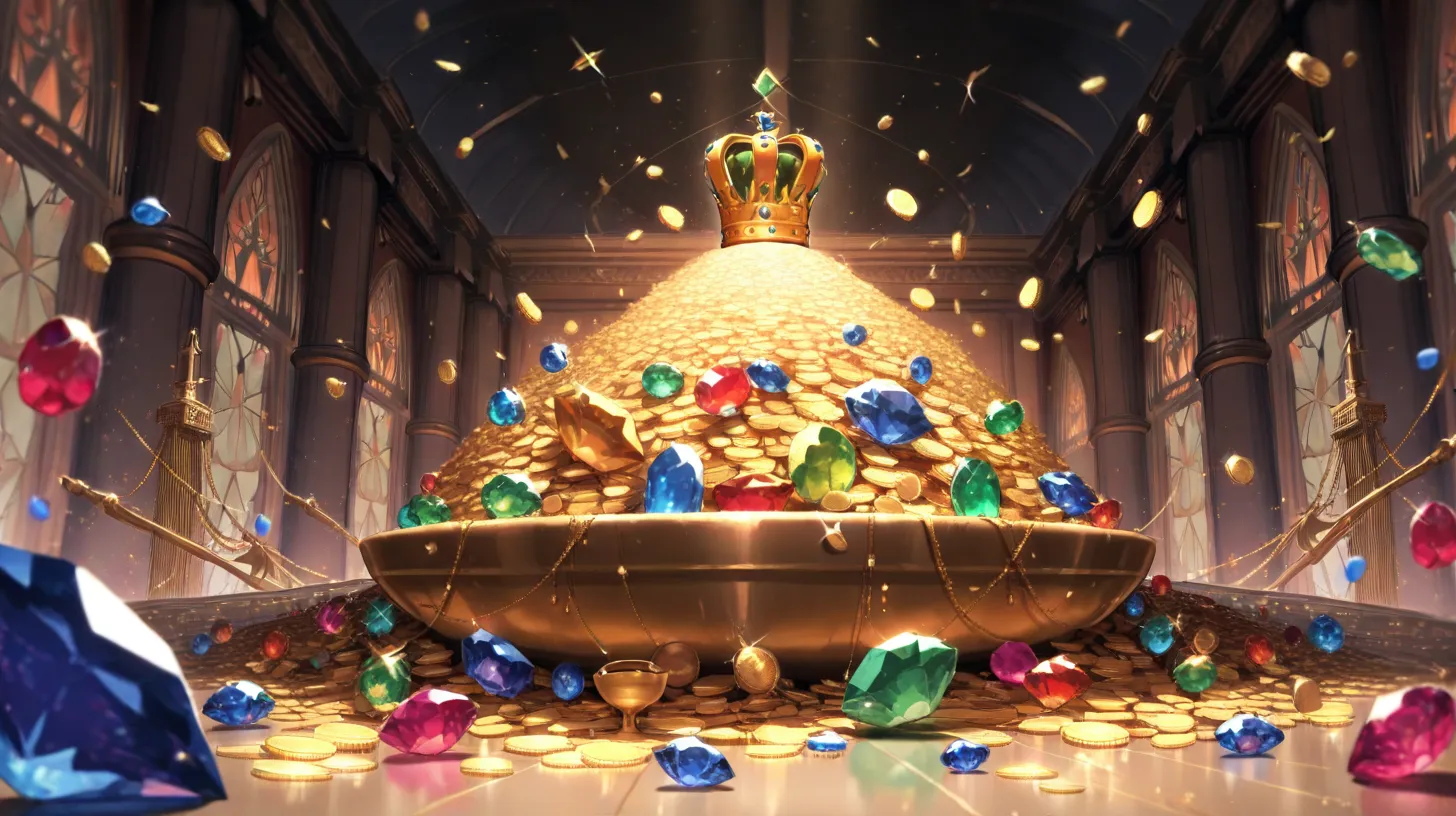
A great treasure hoard is balanced to the party's level, themed to the encounter, and memorable beyond the gold. This generator builds DMG-style hoards in one click: coins (cp, sp, ep, gp, pp), gems and art objects priced to the tier, and magic items pulled from the rarity band that fits the CR.
Pick a tier — CR 0–4 (starting adventurers), 5–10 (established heroes), 11–16 (renowned champions), or 17+ (legendary saviors) — and the generator produces a full hoard with coin amounts, gem types, art descriptions, and magic items. A running total in gold pieces shows you exactly how rich the party just got.
Pair with our Encounter Builder for the fight that earns the hoard and the Magic Item Generator for unique custom rewards.
How Treasure Hoards Scale by Tier
5e's treasure hoard tables aren't random — they're calibrated to keep PC wealth on a deliberate curve. Each tier multiplies coin amounts roughly 10×, raises gem and art values from 10 gp to 7,500 gp per piece, and shifts magic item rarity from common to legendary.
| Tier | CR Range | Typical Coin Total | Gem Range | Magic Item Rarity |
|---|---|---|---|---|
| Tier 1 | 0–4 | ~50–300 gp | 10–50 gp | Common, occasional uncommon |
| Tier 2 | 5–10 | ~500–3,000 gp | 100–500 gp | Uncommon, occasional rare |
| Tier 3 | 11–16 | ~5,000–25,000 gp | 1,000–2,500 gp | Rare, occasional very rare |
| Tier 4 | 17+ | ~50,000+ gp | 5,000–7,500 gp | Very rare, legendary |
The generator follows these bands strictly. A tier-1 hoard will never contain a +3 weapon; a tier-4 hoard won't lowball you with 10 gp gems.
Coins, Gems, and Art — What Each Means at the Table
The three components of a hoard each serve different narrative functions. Skilled DMs lean into the distinction:
- Coins are pure resource. Spendable, splittable, forgettable. They fuel downtime and shopping, but no one will remember the 1,200 gp the party found in session 14.
- Gems are portable wealth with character. A "black opal worth 1,000 gp" is a thing the party holds and talks about. It can be split or traded as a unit. It can be lost, stolen, or recognized.
- Art objects are quests in disguise. "A jeweled gold crown worth 7,500 gp" doesn't belong to nobody. Someone owns it, someone wants it back, and selling it is a chapter unto itself.
Use gems for portable wealth, coins for downtime fuel, and art objects when you want to plant a hook in the loot pile.
Magic Items in Hoards
The 5e DMG's expectation: a typical 5e party finds 1–3 uncommon items by level 5, 1–2 rare items by level 10, and the first legendary somewhere around level 15+. The generator follows that curve. If you're running a low-magic campaign, drop the magic item count by half; if you're running a high-magic campaign, double it.
For more on how magic items shape a campaign's power curve, see the Magic Item Generator, which lets you spin up named, themed magic items for any tier.
From Random Hoard to Memorable Reward
The numbers are the easy part. Making a hoard memorable takes two extra steps:
- Name the art objects. Not just "carved harp of exotic wood (250 gp)" — "the Whisperharp of Old Bryndell, carved from blackwood, strings still tuned." Use our D&D Name Generator for spontaneous flavor.
- Place the hoard in a specific container. A locked iron chest under a body, a silken pouch on the dead king's belt, a hollow inside the dragon's ribcage. The container is half the memory.
For deeper treasure-design guidance and how it ties to campaign planning, see the DM Toolkit hub.
A hoard is loot until you give it a story.
A pile of gold is forgettable. The 250 gp silver chalice that belonged to the duke's missing daughter? That's a quest in itself. Anima lets you turn every hoard into a thread the party can pull on.
- Track each hoard with its location, owners, and the moment it was found
- Link gems, art, and magic items to factions, characters, and lore entries
- Build treasure histories — who made it, who lost it, who wants it back
Free to start · No credit card · Your generated content stays free to use anywhere
Keep going
More free tools
D&D Dice Roller
Free online dice roller for D&D and any TTRPG. Roll d4–d20 and d100, build multi-dice pools, add modifiers, roll with advantage or disadvantage, and type full expressions like 2d6+3 or 4d6kh3.
D&D Encounter Builder
Free 5e encounter builder — pick party level, size, and difficulty (Easy / Medium / Hard / Deadly). The tool calculates XP thresholds and assembles a CR-balanced encounter in seconds.

D&D Spell Generator
Free D&D 5e–style spell generator. Pick level (cantrip → 9) and school of magic — get a complete spell with casting time, range, components, duration, and effect.
D&D Trap Generator
Free D&D 5e trap generator. Pick severity (Setback, Dangerous, Deadly) and character level — get DMG-balanced traps with triggers, damage, save DCs, and disarm hints.