D&D Spell Generator
D&D 5e
D&D 5e Spell Generator
Build custom spells by level (cantrip through 9th) and school of magic
Free · No signup · Click any result to copy
Free D&D 5e–style spell generator. Pick level (cantrip → 9) and school of magic — get a complete spell with casting time, range, components, duration, and effect.
Save the spell to a custom spellbook for your campaign.
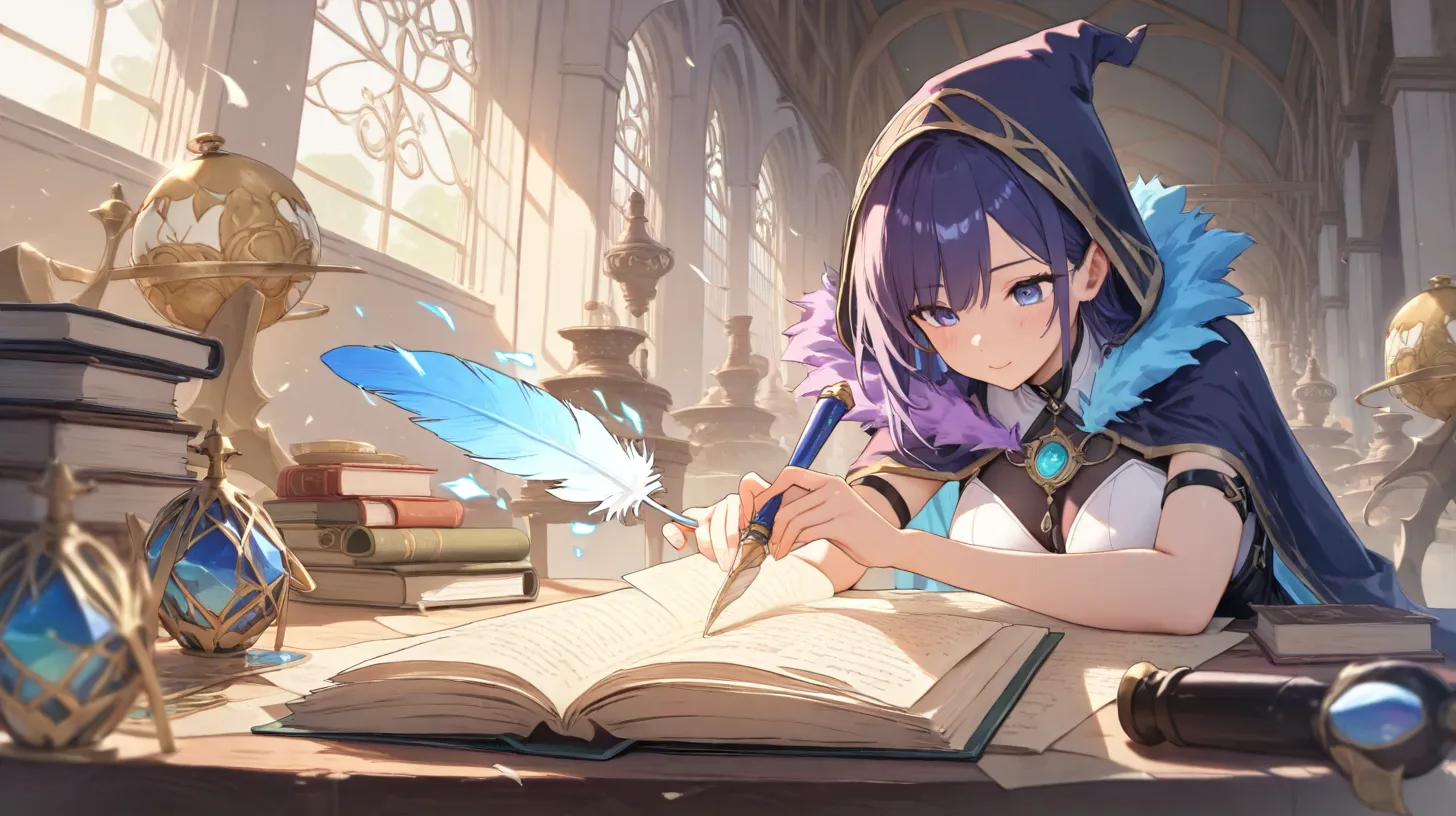
Need a homebrew spell, a forbidden scroll the party finds in a tomb, or a unique signature spell for an NPC wizard? This generator builds full D&D 5e–style spells in one click: name, level, school, casting time, range, components, duration, and effect — all scaled to the level you pick.
Pick a spell level (cantrip / 0 through 9th) and one of the eight schools of magic. The generator composes the spell with appropriate damage dice, save DCs, and flavor that matches the school. Click "Copy spell" to drop it into your spellbook or homebrew document.
Pair with our Magic Item Generator for the scroll or wand that holds the spell, and the Wild Magic Surge Generator for what happens when casting goes wrong.
How 5e Spell Scaling Works
Spells in 5e follow a tight power curve. Damage scales roughly as (spell level + 4)d6 for direct-damage spells, save DCs follow the caster's spellcasting formula (8 + proficiency + ability mod), and ranges, durations, and area-of-effect grow with level. The generator follows these conventions so generated spells slot into a 5e game without obvious imbalance.
| Level | Typical Damage | Typical Save DC | Typical Range |
|---|---|---|---|
| Cantrip | 1d8–1d10 | 10–13 | Self / 30 ft |
| 1st | 5d6 | 13–14 | 30–60 ft |
| 3rd | 7d6 | 14–15 | 120 ft |
| 5th | 9d6 | 15–16 | 120–300 ft |
| 9th | 13d6 | 17–18 | 500 ft+ |
The Eight Schools of Magic and What They Do
Each school in 5e has a thematic signature that shapes the kinds of spells it produces. The generator pulls from school-appropriate effects:
- Abjuration — protection, wards, anti-magic. Defensive spells, save bonuses, temporary hit points.
- Conjuration — summoning, teleportation, creating objects. Allies appearing, gates opening.
- Divination — knowledge, perception, foresight. Questions answered, futures glimpsed.
- Enchantment — charms, compulsions, mind-control. Wisdom saves matter most here.
- Evocation — direct damage, elemental effects. The blast-school. Dexterity saves dominate.
- Illusion — false images, disguise, deception. Investigation checks to disbelieve.
- Necromancy — life-drain, death, undead. Constitution saves; lasting effects.
- Transmutation — shape-change, alteration, polymorph. Granting movement modes, transforming.
Custom Spells in a 5e Campaign
Three workflows for using generated spells:
- As lost-spell loot. Drop a generated spell into a scroll the party finds. It's now a one-time-use unique resource. No balance issues at the campaign level.
- As an NPC's signature spell. A named wizard, lich, or cult leader who has one unique spell. The party encounters it, survives it, and (maybe) learns it.
- As player homebrew. If a player wants a custom spell, use the generator as a starting draft. Iterate with your table — adjust damage, range, or save until it feels right.
What the Generator Doesn't Do (And Why)
The generator produces a draft. It doesn't verify edge cases. Two things to watch:
- Combo interactions. A spell that grants advantage stacks dangerously with a paladin's smite or a barbarian's reckless attack. Check against the recipient's build before adding to a live game.
- Resource economy. 5e's power curve assumes a fixed number of spell slots per day. A spell that doubles damage or extends duration may break the curve in long adventuring days.
When in doubt, run a generated spell as a one-shot scroll first. If it feels balanced after a session, promote it to a learnable spell.
From Generator to Spellbook
Generated spells become campaign artifacts when you give them history:
- Who invented it? Name the wizard, lich, or god. Use our D&D Name Generator.
- When and why? A spell developed during a specific war reads differently from one passed down through a wizarding bloodline.
- Where is it forbidden? Necromancy spells written by a specific necromancer banned in three kingdoms feel rarer than abstract "rare" tags.
For deeper magic-system worldbuilding, see the Magic Systems & Spells cluster.
A custom spell becomes canon when you give it a history.
Who wrote this spell? Who first cast it? Why is it forbidden in three kingdoms? Anima lets you build the lore around every homebrew spell — and the spellbooks that carry them across centuries.
- Save spells to custom spellbooks linked to wizards, locations, and eras
- Build spell trees: lineages of how a spell evolved across generations of casters
- Link spells to the artifacts that grant them and the rituals that birthed them
Free to start · No credit card · Your generated content stays free to use anywhere
Keep going
More free tools
D&D Dice Roller
Free online dice roller for D&D and any TTRPG. Roll d4–d20 and d100, build multi-dice pools, add modifiers, roll with advantage or disadvantage, and type full expressions like 2d6+3 or 4d6kh3.
D&D Encounter Builder
Free 5e encounter builder — pick party level, size, and difficulty (Easy / Medium / Hard / Deadly). The tool calculates XP thresholds and assembles a CR-balanced encounter in seconds.
D&D Trap Generator
Free D&D 5e trap generator. Pick severity (Setback, Dangerous, Deadly) and character level — get DMG-balanced traps with triggers, damage, save DCs, and disarm hints.
Dungeon Generator
Free dungeon generator for D&D and TTRPGs. Pick size (small, medium, large) and theme (ruins, crypt, cave, temple, fortress, sewer) — get a procedural dungeon with rooms, encounters, traps, and loot.