Dwarf 5e: The Complete Race Guide (Subraces, Builds & Roleplay)
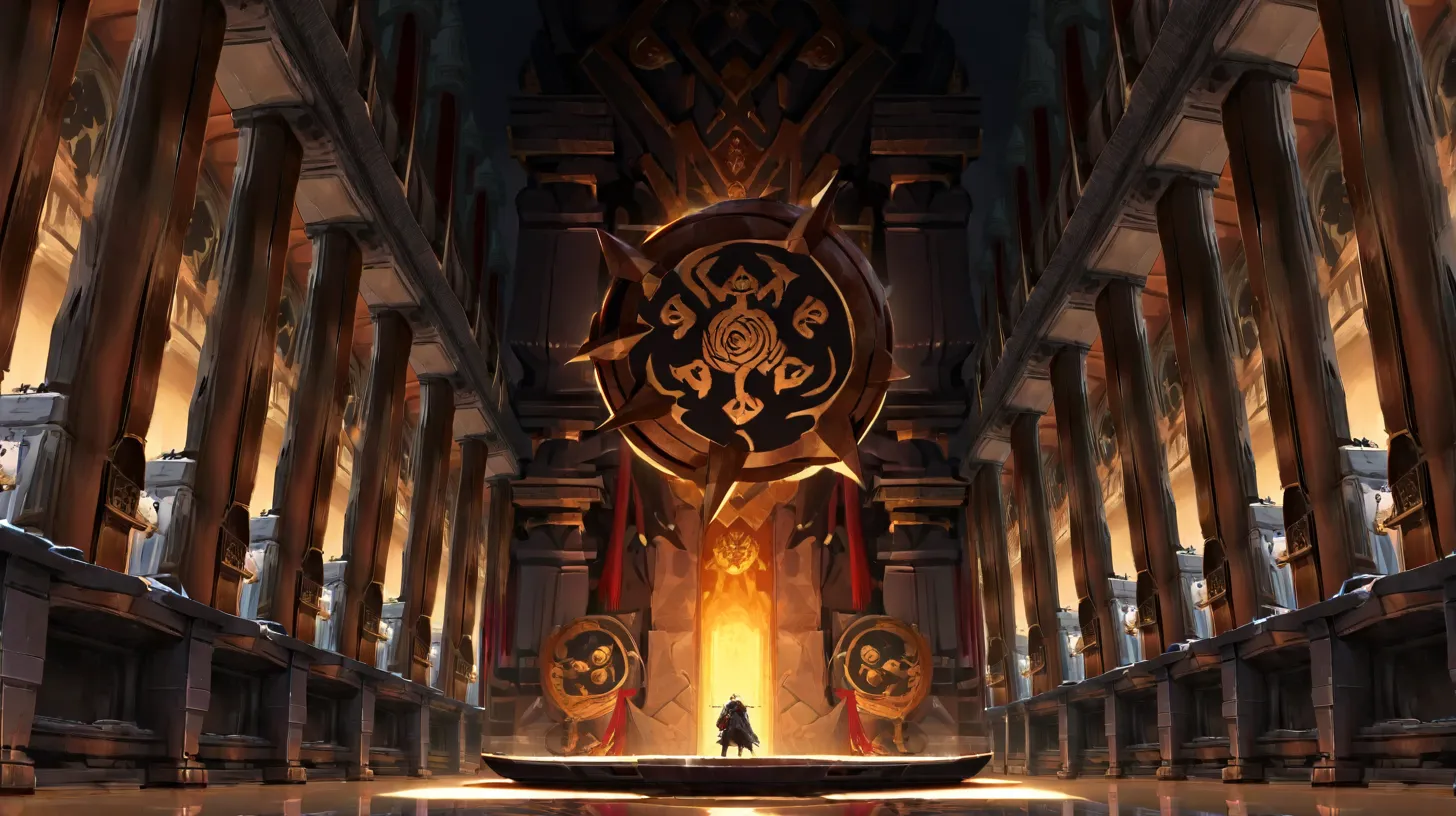
The D&D dwarf is the toughest baseline race in the game. The chassis hands you a +2 to Constitution, advantage on poison saves, poison damage resistance, darkvision, stonecunning, and a baked-in armor and weapon proficiency package. Then the subraces add even more — hill dwarves get an extra HP per level, mountain dwarves get +2 Strength and medium armor proficiency, duergar get psionic abilities. The dwarf is the only race in 5e where two subraces are individually strong enough to be among the top five race options in the game.
The roleplay challenge isn't power — it's escaping Tolkien's gravity. Dwarves come pre-loaded with cultural shorthand: gruff, mountain-dwelling, beard-loving, gold-obsessed. Players default to "Scottish accent + axe + bitterness" and stop building. This guide breaks the chassis down — the four major subraces, the optimal classes, the names and lore — and offers archetypes that go past the warhammer-and-grudge stereotype.
The Dwarf at a Glance
Base dwarf features:
- Ability scores: +2 Constitution (or flexible in 2024 rules)
- Age: mature at 50, live ~350 years
- Size: Medium (4-5 feet, 150 pounds)
- Speed: 25 feet (not reduced by heavy armor — quietly absurd)
- Darkvision: 60 feet
- Dwarven Resilience: advantage on poison saves; resistance to poison damage
- Tool proficiency: one of smith's, brewer's, or mason's tools
- Stonecunning: double proficiency on History checks about stonework
- Languages: Common, Dwarvish
The headline feature is Speed Not Reduced by Heavy Armor. In standard 5e, heavy armor cuts movement to 20 feet for non-Strength-13 characters. Dwarves bypass this entirely — they walk 25 feet in plate at any Strength score. For a fighter or paladin who wants to wear plate without dumping points into Strength, this is a multi-feat-tier benefit. Combined with poison resistance (poison is the most common damage type in low-level encounters), dwarves take less damage on average than any other race in the game.
Subraces, Ranked Honestly
Tier 1: First-Pick Subraces
- Hill Dwarf (PHB). +1 Wisdom, +1 HP per level (Dwarven Toughness). At level 20, you have 21 more HP than a baseline character. Hill dwarf clerics, druids, monks, and rangers are top-tier.
- Mountain Dwarf (PHB). +2 Strength (yes, +2 — stacked on the +2 Con), medium armor proficiency. The single strongest physical chassis in the Player's Handbook. Mountain dwarf fighters, paladins, and barbarians shine.
Tier 2: Excellent Subraces
- Duergar (MToF / SCAG). +1 Strength, Enlarge/Reduce and Invisibility 1/long rest, advantage on illusion and stunning saves. Sunlight Sensitivity is the cost. Strong for melee builds, especially Bladelocks.
- Mark of Warding Dwarf (Eberron). +1 Wisdom, Alarm and Mage Armor at level 1; warding-themed magic. Excellent for support classes.
Tier 3: Niche
- Mark of Scribing Dwarf (Eberron). Library/scribe-themed; most useful in mystery/research campaigns.
- Gully Dwarf / setting-specific. Niche fiction-flavored variants.
For a first dwarf: mountain dwarf for any martial class, hill dwarf for any Wisdom-based class, duergar for surprise melee builds.
Best Classes for Dwarves
- Cleric (Hill Dwarf, any domain). +Wis, +HP, heavy armor without Strength concerns. The strongest dwarf-class combination in 5e.
- Fighter (Mountain Dwarf). +Str, +Con, heavy armor without speed loss. Tank-DPS in plate.
- Paladin (Mountain Dwarf). +Str + +Con + heavy armor + dwarven resilience. The hardest-to-kill paladin chassis in the game.
- Barbarian (Mountain Dwarf). +Str, +Con, rage stacks with poison resistance. Practically unkillable.
- Druid (Hill Dwarf). +Wis, +HP, perception advantage. Strong druid frame.
- Bard (Mountain Dwarf, College of Valor). Medium armor and longsword proficiency stack with bardic features.
- Warlock (Duergar / Bladelock). Enlarge for melee + Cha-stacking — niche but powerful.
Dwarves fit poorly with rogue (Dex isn't bonused), monk (movement penalty hurts), and ranger (Dex/Wis split needed). Modern flexible ability scores fix some of this — but the natural class fits remain Constitution-Wisdom or Constitution-Strength heavy.
Stat Priority & Build Notes
Mountain dwarf priority for martial classes:
- Strength — to-hit and damage; 16+ at level 1, 20 by level 8
- Constitution — already +2 from race; 14+ baseline, 16+ by mid-tier
- Wisdom — saves; 12+ minimum
- Dexterity / Charisma / Intelligence — depends on class
Hill dwarf priority for caster classes:
- Wisdom — spellcasting ability for cleric/druid; 16+ at level 1
- Constitution — already +2 from race; 14+ baseline
- Strength — for melee clerics; 14+
The dwarf race's signature trait — Speed Not Reduced by Heavy Armor — is wasted on any class that doesn't wear heavy armor. If you're not wearing plate or chain, the dwarf's biggest advantage isn't doing anything. This isn't a deal-breaker (Constitution bonus is always good), but it does mean monk dwarves and rogue dwarves are leaving the chassis's biggest perk on the table.
Common Mistakes
- Forgetting Stonecunning. Double proficiency on stonework History checks is a free skill expertise level. Use it any time you're examining a dungeon.
- Forgetting heavy armor + 25 feet. Dwarven characters don't suffer the heavy-armor speed penalty. Wear the plate. Walk full speed.
- Skipping Dwarven Toughness on hill dwarves. +1 HP per level is the entire point of the subrace. If you skipped it accidentally, fix it.
- Playing "gruff Scottish dwarf #847". The shorthand is so well-trodden that it's become invisible. See the roleplay section.
- Forgetting poison resistance. Half damage from poison and advantage on saves. Let the rogue worry about poison traps; you walk through them.
Lore: What Dwarves Care About
D&D dwarven culture varies by setting, but most published settings share these threads:
- Crafting as identity. Most dwarves identify by what they make — smiths, masons, brewers, runesmiths. The class proficiency in tools isn't decorative; it's a cultural signal.
- Clan structure. Most dwarves belong to a clan with names tied to mountains, mines, or ancestors. Clan loyalties run centuries deep. Clan grudges run longer.
- Underdark vs. mountains. Surface dwarves (mountain, hill) are settled and prosperous. Underdark dwarves (duergar, derro) have a darker history — slavery to mind flayers, escape, and the psionic legacy that follows.
- Religion. Most dwarven pantheons center on Moradin (the All-Father, smith-god), with named deities for clan lineage, mining, and the dead. Some clans have founder cults — the actual ancestor worshipped as a saint.
- Naming. Dwarven names lean on hard consonants, clan suffixes, and sometimes craft-titles ("Hammerhand" or "Stoneward"). Our dwarf name generator has tonal options for hill, mountain, and duergar variants.
Roleplay Archetypes Beyond the Stereotype
The flat dwarf is "stocky, bearded, gold-loving, axe-wielding". Try these instead:
- The young dwarf. 60 years old. Adolescent. Hasn't grown the beard out yet. Wants to see the surface. Has been called "lad" too many times. Will insist on respect.
- The runaway dwarf. Left the clan after a disagreement. Doesn't go home. Other dwarves treat them as a stranger. They are, for clan purposes, dead — but they're not.
- The exiled dwarf. Banished for a specific crime or failure. Knows exactly which gate they can't go through. Some part of them is always thinking about home.
- The traveler. A specific clan tradition allows for a journey period — fifty years on the surface before returning to take up a clan role. The PC is on this journey. Time is finite.
- The merchant. Not a warrior. Not a craftsman. A negotiator. Knows the clan economics, the trade routes, the human and elf dialects. Probably runs the party's finances.
What's important: dwarven longevity (350 years) means a dwarf at 100 is still mid-career. Their plans span decades. Their personal projects span lifetimes. A dwarven cleric might be building a temple over 200 years; a dwarven wizard might be writing a single masterwork tome over a century. Lean into the long horizon. Our character bible guide walks through identity construction at depth.
The Dwarf at the Table
Mechanically, the dwarf is one of the toughest, most armor-friendly races in 5e — pick mountain for any martial, hill for any Wisdom-caster, duergar for surprise melee, and any subrace works in flexible-ability-score campaigns. The chassis is forgiving and the survivability is unmatched. Build the character around clan, craft, or exile, and the dwarf comes alive on the page. For the right name, our dwarf name generator handles the tonal range. For broader character work, see our character bible guide and character sheet guide. To explore sibling races, browse the full races, species & lineages cluster.
Keep reading
More from this topic

Elf 5e: The Complete Race Guide (Subraces, Builds & Roleplay)
The elf is the most-played race in D&D for a reason — Dex bonuses, perception advantage, fey ancestry, and four hours of sleep make them the strongest baseline race in the game. Here's the full breakdown across all eight subraces.
Dragonborn 5e: The Complete Race Guide (Subraces, Builds & Roleplay)
The dragonborn is the most underplayed great race in 5e — a draconic warrior with built-in breath weapon, elemental resistance, and the most striking visual identity in the Player's Handbook. Here's how to build one that earns its dragon blood.
Half-Elf 5e: The Complete Race Guide (Subraces, Builds & Roleplay)
The half-elf is the most flexible race in 5e — three ability bonuses (instead of two), elf perception, fey ancestry, and a chassis that fits literally any class. Here's how to play one without leaning on the "between two worlds" trope.
Start building your world today
Maps, wikis, timelines, and AI tools — everything you need to bring your world to life, in one place.