D&D Bard: The Complete Class Guide (Colleges, Magical Secrets & Builds)
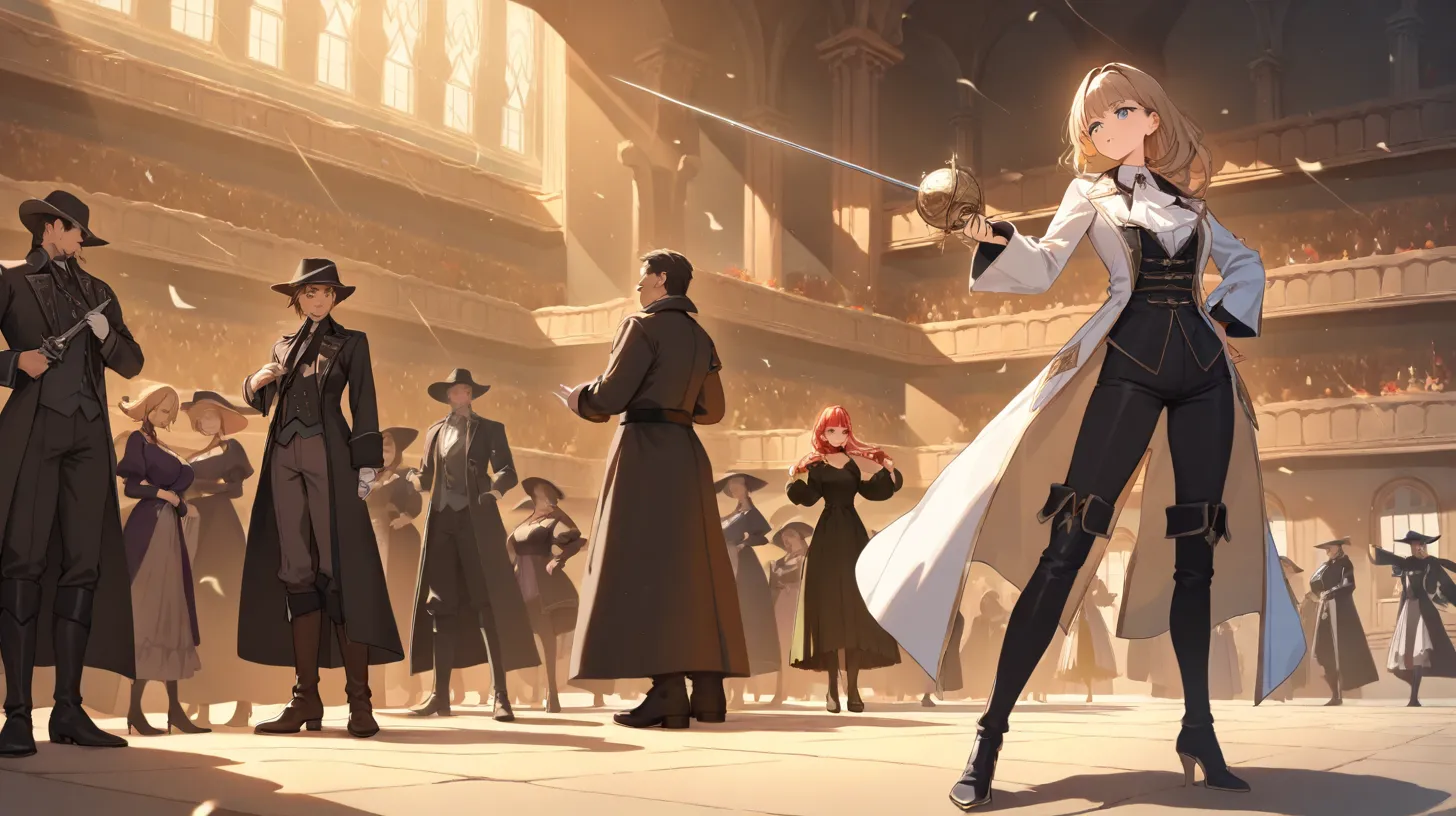
The D&D bard has a reputation problem. Ask a table what a bard does and someone will say "seduces the dragon." Ask what a bard is for and you'll get a shrug — a bit of healing, a bit of buffing, some jokes. That reputation costs the class dearly, because underneath the lute jokes the bard is a full nine-level spellcaster with the best support kit in 5e, the widest skill coverage of any class, and a level-10 feature that lets it borrow the strongest spell from every other list in the game.
The bard doesn't win fights by hitting hardest. It wins them by making sure the fighter hits, the enemy caster doesn't, and the party arrives at the fight with the right information, the right allies, and the right disguise. Played well, a bard is the reason every other character at the table feels competent. Played badly, it's a worse sorcerer with a musical instrument.
This guide covers what the bard actually does, the colleges that matter, the spells that earn their slot at every level, how to use Bardic Inspiration without hoarding it, and the Magical Secrets picks that turn the class from "support" into "best character in the party."
The Bard at a Glance
Mechanically:
- Hit die: d8 — enough to survive a stray hit, not enough to stand in melee without a plan
- Primary ability: Charisma
- Saving throw proficiencies: Dexterity, Charisma — Dex is one of the "big three" saves, Cha covers banishment and most fey nonsense
- Armor: Light armor
- Weapons: Simple weapons, hand crossbows, longswords, rapiers, shortswords
- Skills: Any three at level 1 (not a fixed list — the only base class with that freedom)
- Spellcasting: Spells known (not prepared), full nine-level progression, ritual casting from known spells
- Bardic Inspiration: Bonus action, Charisma modifier uses per long rest, die grows from d6 (level 1) to d8 (5), d10 (10), d12 (15)
- Jack of All Trades (2): Half proficiency on every ability check you aren't proficient in — including initiative
- Song of Rest (2): Extra healing on short rests for the whole party
- Expertise (3 and 10): Double proficiency on two skills each time
- Font of Inspiration (5): Bardic Inspiration recharges on a short rest
- Countercharm (6): Advantage against frightened and charmed for allies nearby — rarely used, occasionally decisive
- Magical Secrets (10, 14, 18): Learn two spells from any class list each time
The two features that define the bard chassis are Bardic Inspiration and Magical Secrets. Inspiration is a pool of dice you hand to allies to make their key rolls succeed; Magical Secrets lets your spell list ignore the boundaries every other caster lives inside. Everything else — the skills, Jack of All Trades, Expertise — makes the bard the character who can attempt anything outside combat and be at least decent at it.
The Colleges, Ranked
You pick a Bard College at level 3. Colleges vary more than most subclasses do: some make you a better caster, some make you a real melee combatant, and one turns your Inspiration dice into a save-or-suck machine.
Tier 1: First-Pick Colleges
- Lore (PHB). Cutting Words at level 3 — spend an Inspiration die as a reaction to subtract from an enemy's attack roll, ability check, or damage roll. Then extra Magical Secrets at level 6, four levels before anyone else. The strongest pure caster bard and the most flexible.
- Eloquence (TCoE). Silver Tongue means you can't roll below 10 on Persuasion or Deception. Unsettling Words spends an Inspiration die to lower a creature's next saving throw — which is what makes Hold Person and Hypnotic Pattern land. At level 6, an ally who uses your Inspiration and fails still keeps the die. Nearly impossible to play badly.
- Swords (XGtE). A real melee bard. Fighting style, Extra Attack at 6, and Blade Flourishes that spend Inspiration dice for extra damage, AC, or battlefield movement. The right pick if your party already has a support caster and needs a frontliner.
Tier 2: Excellent Colleges
- Creation (TCoE). Inspiration dice that also grant bonus effects (extra damage, temporary HP, a free move). Performance of Creation conjures nonmagical objects out of nothing — a ladder, a boat, a locked chest full of ballast. Wildly creative in the right hands.
- Valor (PHB). Medium armor, shields, martial weapons, Extra Attack at 6. Playable and sturdy, but Swords does the same job with better tricks.
- Glamour (XGtE). Mantle of Inspiration — a bonus action that gives multiple allies temporary HP and a free reaction move. Enthralling Performance for social scenes. A strong support pick with a fey flavor.
Tier 3: Playable but Specific
- Whispers (XGtE). Psychic Blades for burst damage, Words of Terror, and stealing the face of the dead. Superb in intrigue campaigns, awkward in a dungeon crawl.
- Spirits (VRGtR). Tales from Beyond gives you a random effect off a table each time you spend an Inspiration die. Fun, thematic, unreliable. Great for players who like rolling on tables; frustrating for players who like planning.
For a first bard, Lore if you want the classic full-caster support experience, Eloquence if you want to be the party face who never fails a conversation, Swords if you want to hit things. All three are powerful from level 3 onward and none of them fall off.
Bardic Inspiration: Spend It Early
The single most common bard mistake is ending the session with unspent Inspiration dice. Players hold them "for the important roll" and the important roll never quite arrives. Meanwhile the paladin missed the Smite, the rogue failed the Stealth check, and the wizard lost concentration on Hypnotic Pattern — all rolls a d8 would have flipped.
Treat Inspiration dice as a resource that goes stale. The math backs this up:
- At level 1, with 16 Charisma, you have three dice per long rest. Handing one out is a bonus action, so it costs you nothing in most rounds.
- From level 5, Font of Inspiration refreshes the pool on a short rest. In a normal adventuring day with two short rests, that's nine to fifteen dice. Unspent dice don't carry over — they're just wasted.
- A d8 added to an ally's attack roll is worth roughly +4.5 to hit. On a 60% hit chance, that's close to a guaranteed hit. Spend it on the paladin's Smite turn, not on a 1st-level attack that doesn't matter.
For Lore bards, Cutting Words reverses the logic: you hold your reaction for the enemy's big hit and subtract the die from it. Against a monster that attacks once for huge damage, Cutting Words is a reaction that regularly turns a hit into a miss. Against a monster that attacks four times for small damage, save the reaction and hand the die to an ally instead.
One rule of thumb: hand out a die before every fight starts. Allies can hold it for ten minutes, and it means the first round of combat already has a boost in play before you've taken a turn.
Magical Secrets: The Bard's Superpower
At level 10, 14 and 18 (level 6 for Lore bards), you learn two spells from any class list. This is the feature that makes the bard the most flexible caster in the game — you get to fill the exact holes in your kit that the bard list leaves open. The bard list is short on raw damage, short on hard battlefield control, and has no Counterspell. Magical Secrets fixes all of it.
The picks that show up in almost every optimized bard:
- Counterspell (wizard/sorcerer/warlock). The single most important spell a bard doesn't have natively. Take it first.
- Fireball. Your best AOE damage option by a mile. The bard list has nothing close.
- Spirit Guardians (cleric). A concentration spell that turns a Swords or Valor bard into a walking blender.
- Find Greater Steed (paladin). A flying mount at 4th level. Mobility, an extra body, and permanent height advantage.
- Animate Objects. Ten tiny objects making ten attacks a round. Still one of the best damage spells at 5th level.
- Wall of Force. Splits any encounter in half. No save, no damage type, no counterplay short of Disintegrate.
- Forcecage (7th). Removes a creature from the fight entirely. Take it at level 14 and never look back.
- Swift Quiver (ranger). For Swords bards with a bow: two extra attacks per turn as a bonus action.
At level 18 the strong choices are Foresight, Power Word Kill, True Polymorph, or Wish if your DM allows bards to take it. The cleric list is also worth mining at any tier for Aid, Revivify and Heroes' Feast — spells the bard otherwise has to hope someone else brought.
Spells Known That Always Earn Their Slot
Bards know a fixed number of spells and swap one per level, so every pick has to justify itself. The spells that rarely leave a bard's list:
- Cantrips: Vicious Mockery, Minor Illusion, Mage Hand, Prestidigitation, Message (and Mind Sliver if Tasha's is allowed)
- 1st level: Healing Word, Faerie Fire, Dissonant Whispers, Tasha's Hideous Laughter, Sleep (early levels only)
- 2nd level: Heat Metal, Hold Person, Suggestion, Invisibility, Shatter, Silence, Enhance Ability
- 3rd level: Hypnotic Pattern, Dispel Magic, Fear, Leomund's Tiny Hut, Slow, Enemies Abound
- 4th level: Polymorph, Greater Invisibility, Dimension Door, Confusion
- 5th level: Synaptic Static, Hold Monster, Greater Restoration, Mass Cure Wounds, Dominate Person
- 6th–9th: Otto's Irresistible Dance, Mass Suggestion, Eyebite, Forcecage (via Secrets), Dominate Monster, Foresight, Power Word Kill
The pattern here is control and denial, not damage. Heat Metal shuts down a plate-armored knight for the whole fight. Hypnotic Pattern removes half an encounter on a failed Wisdom save. Healing Word costs a bonus action, so you can pick a downed ally back up and still cast a cantrip. Vicious Mockery is the only cantrip you'll cast in combat, and it's there to impose disadvantage rather than to deal damage.
Race & Stat Priority
Stat priority for almost any bard:
- Charisma — spell DC, attack rolls, number of Inspiration dice, and every social skill. 16 minimum at level 1, 20 by level 8.
- Dexterity — AC in light armor, initiative, the Dex save, and your weapon attacks if you're a Swords or Valor bard. 14 minimum, 16 for melee builds.
- Constitution — concentration saves. Most of your best spells are concentration. 14.
- Wisdom — you have no Wisdom save proficiency, and Wisdom saves are the ones that take you out of the fight. Don't dump it below 10.
Strong race choices:
- Half-Elf: +2 Cha, two floating +1s, two extra skills. The bard race for a reason.
- Variant Human / Custom Lineage: A level-1 feat — War Caster for concentration, or Fey Touched for Misty Step and a free spell.
- Tiefling: +2 Cha, fire resistance, and innate spells. The Glasya variant adds Disguise Self and Invisibility, which is basically a free bard kit.
- Dragonborn: +2 Str +1 Cha in the 2014 version; with Tasha's floating stats, a breath weapon on a Valor bard is a fine AOE fallback.
- Satyr (MOoT): +2 Cha, +1 Dex, magic resistance, and the Persuasion or Performance proficiency built in.
The first feat for most bards is War Caster (advantage on concentration saves, cast a spell as an opportunity attack) or Fey Touched (+1 Cha, Misty Step and a 1st-level divination or enchantment spell that doesn't count against your spells known). Melee bards want War Caster; caster bards can take Fey Touched first and War Caster at 8.
Multiclassing
Bards multiclass better than most full casters because every level of bard is good and the class runs on Charisma, which every other Charisma class shares. The three dips that show up most:
- 1 level Warlock (Hexblade): Medium armor, shields, Shield the spell, Eldritch Blast, and the ability to attack with Charisma. Turns a Swords or Valor bard into a Cha-only character with 18+ AC. The best single-level dip in the game for a melee bard — see the warlock guide for how the patron works.
- 2 levels Paladin: Divine Smite fueled by your bard slots, a fighting style, and heavy armor if you have the Strength. Smiting with 5th-level bard slots is a lot of damage for a "support" class.
- 1–3 levels Sorcerer: Metamagic. Quickened Spell on Hypnotic Pattern or Subtle Spell for casting during negotiations. Three levels costs you a lot of bard progression; consider it only in campaigns going past level 15.
For a caster bard, stay pure. Magical Secrets at 10, 14 and 18 are the reason to play the class, and every level you multiclass delays them. Lore bards in particular lose too much by dipping.
Common Mistakes
- Hoarding Inspiration dice. Covered above — dice you don't spend are dice you didn't have.
- Building for damage. A bard who takes Thunderwave, Shatter and Fireball at every level is a worse sorcerer. Take one damage spell per tier and fill the rest with control, mobility and healing.
- Dumping Wisdom. A bard at Wisdom 8 with no save proficiency fails Hold Person on a 12. A bard dominated by an enemy is a bard casting Hypnotic Pattern on their own party.
- Forgetting Jack of All Trades applies to initiative. Half proficiency on every check includes the initiative roll. At level 9 that's +2 for free.
- Playing the face as a solo act. Enhance Ability on the fighter, Guidance from the cleric, Bardic Inspiration on the rogue — the bard is strongest when the whole party is rolling well, not when the bard is the only one who talks.
- Taking a Magical Secret you could already cast. Every pick should be a spell the bard list can't offer. If it's on the bard list, learn it normally and spend the Secret elsewhere.
Roleplay: The Bard's Why
The lute is optional. What every bard shares is that their magic comes from words and performance — something they learned, absorbed, or were given, and something that makes them naturally the character who talks first. Why does your bard perform?
- The Chronicler. You collect stories. Adventures are material. You're not here to be the hero — you're here to make sure someone remembers the heroes properly, which occasionally means saving them.
- The Agent. Performance is cover. You work for a guild, a crown, a thieves' network, and the road is where the secrets travel. Whispers and Eloquence bards live here.
- The Believer. Your art is worship. A god of song, a fey court, an ancestor spirit — something answers when you play, and you owe it a debt you're still paying off.
- The Veteran. You were a soldier or a duelist first; the music came after, as a way of surviving what you saw. Swords and Valor bards with a scar for every song.
- The Fraud. You never trained. The magic just happened when you sang, and you've been improvising a legend ever since. Nobody at the table knows how thin the story is except you.
The "why" decides what your bard does when the fighting stops — who they talk to, what they write down, what they lie about. A Chronicler wants every NPC's name; an Agent wants every NPC's price. Pick a name that fits the story with the D&D name generator, then write the rest of the character down properly using the character bible guide. Bards accumulate more contacts, debts and rumors than any other class, and a bard whose player can't remember which tavern they're banned from is missing half the fun.
The Bard's Endgame
A level-17+ bard is the character who decides how the campaign's final act plays out. Superior Inspiration at level 20 means you never start a fight with an empty pool. Your third set of Magical Secrets at 18 can hold Foresight (advantage on everything for eight hours, no concentration) and Power Word Kill (a creature under 100 HP dies, no save). Your own list gives you Mass Suggestion, Dominate Monster and Otto's Irresistible Dance, which is a save-or-lose that repeats every turn.
The bard's late game is about ending encounters before they become fights. Mass Suggestion on a war council. Dominate Monster on the dragon's bodyguard. Forcecage on the lich while the party deals with the phylactery. Every one of those spells is a decision that no other class can make in quite the same way, because no other class gets to raid every spell list in the game.
Spend your dice. Take Counterspell. Never build for damage. The bard rewards players who think about the whole table rather than their own turn, and it repays them with the single most versatile character in 5e. For the mechanical basics, start with the character sheet guide; for the rules text itself, the official bard class page has the full feature list by level.
Keep reading
More from this topic
D&D Warlock: The Complete Class Guide (Patrons, Pacts & Builds)
The warlock is the most short-rest-friendly caster in 5e — two slots back per hour, an at-will damage cantrip that scales with feats, and three-class-features-in-one between Patron, Pact, and Invocations. Here's how to build one that actually rivals a wizard.
D&D Cleric: The Complete Class Guide (Subclasses, Builds & Roleplay)
The cleric is the most underrated class at the table — a full-caster, a heavy-armor frontliner, and the only character who can talk to a god. Here's how to build one that's strong without being a heal-bot.

D&D Wizard: The Complete Class Guide (Schools, Spells & Builds)
The wizard is the deepest, most rewarding caster in 5e — and the easiest class to play badly. Here's how to build one that earns the "all-powerful arcanist" reputation instead of dying in the second fight.
Start building your world today
Maps, wikis, timelines, and AI tools — everything you need to bring your world to life, in one place.