Topic
General RPG & Gaming
Monsters, playable species, weapons and borrowed factions: what makes RPG content memorable, and how to adapt it from one system to another.
Some of the best material at any table comes from outside the core rulebook: a monster that started on a blog, a weapon buried in an adventure module, a faction borrowed from another game entirely. This page looks at what makes that kind of content work, whether it is a creature, a playable species or a single item, and how to bring it into your own game without breaking it.
What Makes a Monster Memorable
Players forget monsters that are just hit points and damage. They remember monsters that change how they behave before, during and after the fight. The False Hydra, which began as a homebrew post on the Goblin Punch blog before spreading across D&D tables, is the clearest example: it sings a song that makes people forget it exists, so the horror is the town's missing memories, not its bite.
Use these questions when you design or choose a creature:
- What does it do that nothing else does? One signature ability beats five generic ones.
- How do players learn about it before they meet it? Tracks, rumors, victims, wrong-feeling details. A monster with a clue trail is an adventure; a monster without one is an encounter.
- What does it want? Hunger, territory, a bargain. Wants create non-combat solutions.
- How do you beat it besides damage? A weakness, a ritual, a bribe, a way to escape.
- What does it leave behind? A changed town, a trophy, a new threat. Aftermath turns a fight into story.
For building stat blocks and creature lore from scratch, the Monsters & Creature Design section goes deeper.
What Makes a Playable Race or Species Work
A good playable species gives a player two things: a mechanical identity that shapes decisions in play, and a cultural hook that suggests roleplay without dictating it.
| Species | Mechanical identity (5e) | Roleplay hook | Trap to avoid |
|---|---|---|---|
| Tiefling | Fire resistance and innate infernal spells | Distrusted for an ancestry they did not choose | Playing only the brooding outcast |
| Tabaxi | Feline Agility doubles speed for a turn; climbing speed and claws | Curiosity and a drive to collect stories and objects | Kleptomania as the whole personality |
| Half-orc | Relentless Endurance and Savage Attacks | Belonging to two cultures, fully accepted by neither | Reducing them to "the strong dumb one" |
| Dwarf | Durability, poison resistance, toolwork | Clan, craft and long memory for grudges | A Scottish accent standing in for a character |
The pattern holds when you invent your own species: give it one rule that changes tactical choices and one cultural tension a player can push against. The tiefling guide and tabaxi guide show how far a single trait can carry a character concept.
Items and Weapons That Earn a Place
Most mundane weapons in 5e are interchangeable. The ones worth writing about have a niche. The yklwa, a Chultan short spear introduced in Tomb of Annihilation, is a simple melee weapon that deals 1d8 piercing and has the thrown property (range 10/30). That combination of a d8 die on a one-handed simple weapon that can also be thrown is unusual, which is why it gets attention from players looking for a shield-and-spear build.
When you add any item to your game, ask:
- Does it open a choice? An item that makes a new tactic possible is more interesting than a flat bonus.
- Does it carry the setting? A weapon from a specific region tells players about that place every time it is used.
- Does it scale? A +1 at level 3 is exciting; at level 15 it is clutter.
For quick inspiration, the magic item generator produces named items with properties and rarity you can then refine.
Adapting Content From Other Systems
Borrowing across games is one of the oldest habits in the hobby. Warhammer's Skaven, for example, are a natural fit for a D&D underworld: a ratman society of rival clans (engineers, plague priests, beast-breeders, assassins) serving the Great Horned Rat and obsessed with the mutating rock called warpstone. The trick is to keep what makes the material distinctive and convert only the numbers.
| Keep | Convert |
|---|---|
| Themes, motivations and internal politics | Stat blocks, using a target challenge rating or equivalent |
| Signature abilities, described by effect | Damage numbers and save DCs to your system's scale |
| Iconic gear and its look | Item bonuses and rarity |
| The tone of the source | Lethality, if your table's expectations differ |
Convert by role rather than by formula: decide whether a creature is a brute, a skirmisher, a controller or a leader in your system, then borrow an existing stat block of the right level and reskin it. The NPC stat block generator is a fast way to get a balanced base to reskin.
Recommended Reading Path
- False Hydra 5e: Stat Block, Clues & How to Run It — a complete case study in monster-as-adventure.
- Skaven: Complete Faction Guide & Lore — clans, lore and how to use them.
- Warhammer Fantasy Roleplay: Beginner's Guide — the system the Skaven come from.
- Half-Orc 5e: The Complete Race Guide — another species built on one strong trait.
- Genasi 5e Race Guide — how subraces give one species four identities.
- Warhammer 40,000 — lore guides for the grimdark sci-fi setting.
- Random Encounter Generator — encounters across D&D, Call of Cthulhu, Warhammer and more.
- Tiefling Name Generator — names for infernal-blooded characters.
More systems, lore and gaming guides are collected in the General RPG Content Hub.
Frequently Asked Questions
What is the False Hydra in D&D?
The False Hydra is a homebrew monster, not an official D&D creature. It is a buried, many-headed predator whose song makes people forget it and its victims, so a town slowly loses residents without noticing. It is popular as the basis for horror and mystery adventures.
Is the yklwa a good weapon in 5e?
It fills a niche. The yklwa is a simple melee weapon dealing 1d8 piercing with the thrown property (range 10/30), so a character with simple weapon proficiency can get a d8 one-handed weapon that can also be thrown. Its short throwing range makes it a backup rather than a primary ranged option.
Can I use Warhammer monsters in D&D?
Yes, as long as you convert by role. Keep the creature's lore and signature abilities, then base its numbers on an existing D&D stat block of the challenge rating you want. Factions like the Skaven translate well because their internal politics drive adventures on their own.
How do I make a homebrew race balanced?
Compare it trait by trait with an official species of similar power, give it one standout feature rather than several, and avoid stacking bonuses that apply every turn. Playtest it for a few sessions and adjust before treating it as final.
Read
Articles
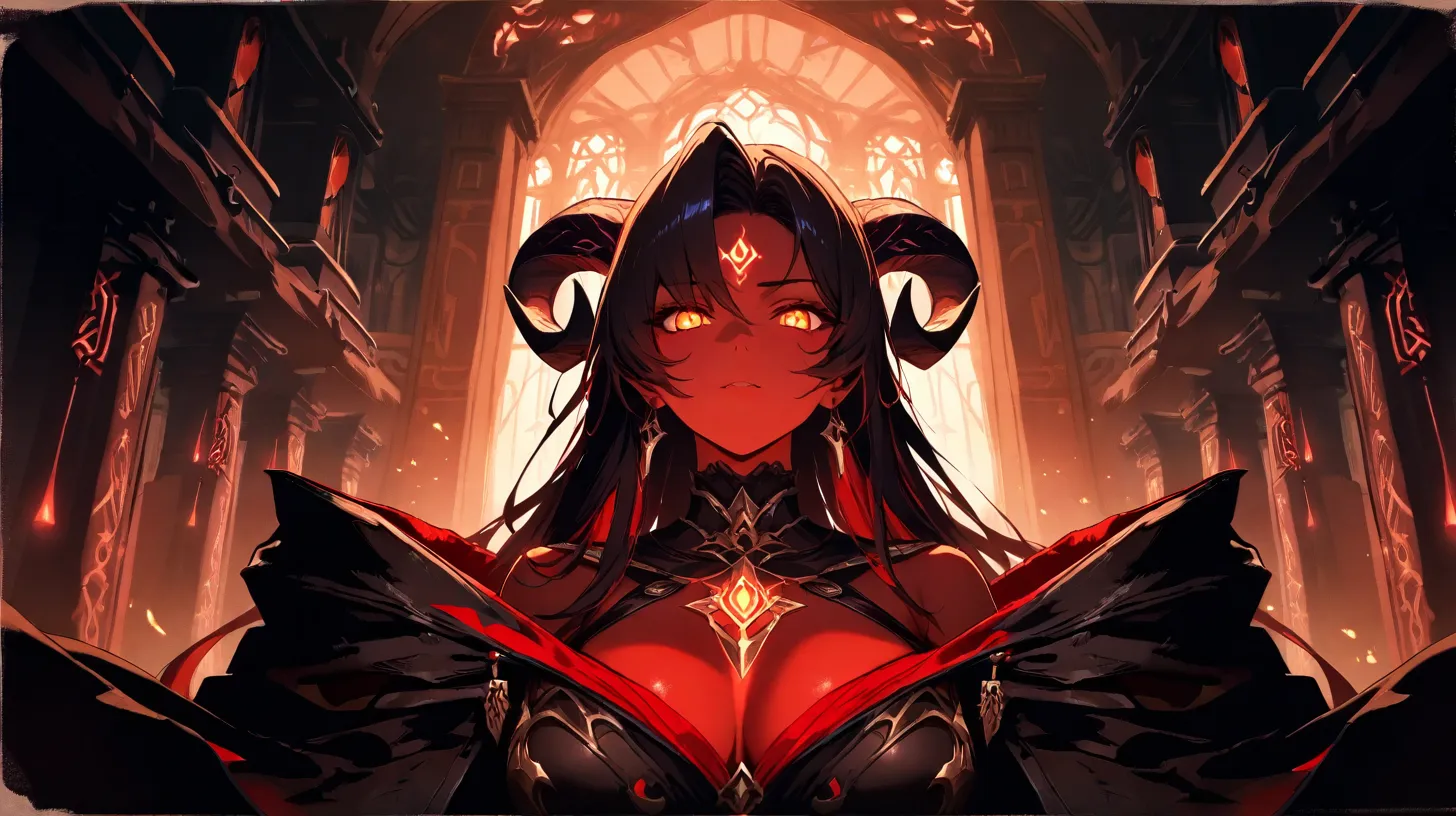
Tiefling: Race Guide, Lore & Character Ideas
The complete guide to playing a Tiefling in D&D 5e — racial traits, subraces, lore, class synergies, roleplaying tips, and character build ideas.
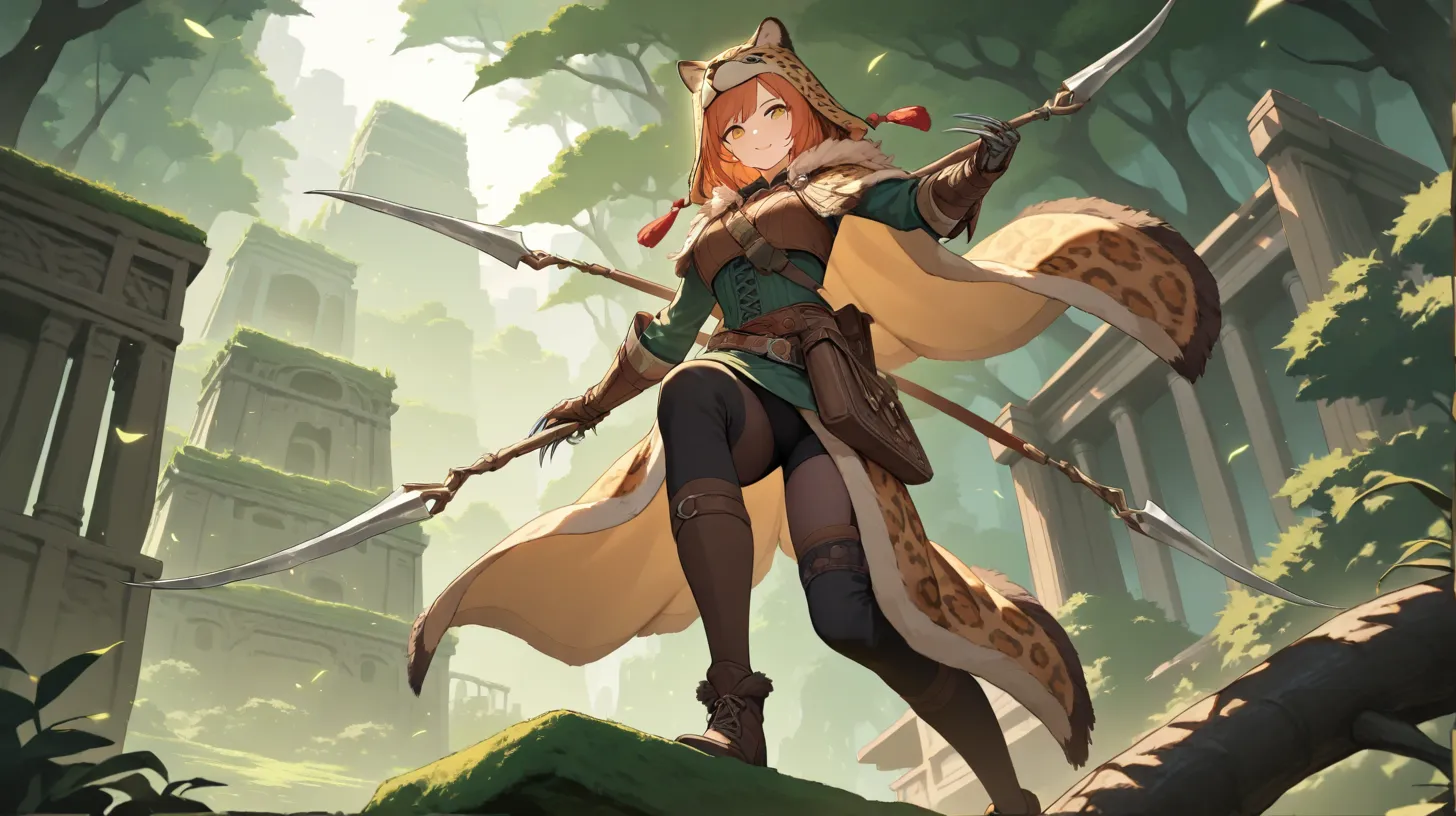
Tabaxi 5e: Complete Race Guide (Builds, Lore, Roleplay)
Tabaxi are the fastest non-monk race in 5e, with a movement bonus that breaks action economy if you build them right. Here's how to play tabaxi without leaning on the "curious cat" cliché — every subrace, every best class, and the lore that turns the chassis into a character.
False Hydra 5e: Stat Block, Clues & How to Run It (Complete DM Guide)
A full 5e stat block, a d12 clue table, a four-act structure and the Mindsong rules — everything the original False Hydra post left out.
Yklwa 5e: D&D Weapon Guide (Stats, History, Best Builds)
The yklwa is the most underrated thrown weapon in D&D 5e — Chultan-origin, exotic damage profile, and the only short spear in the game with a meaningful niche. Here's when it beats a shortsword and when it doesn't.
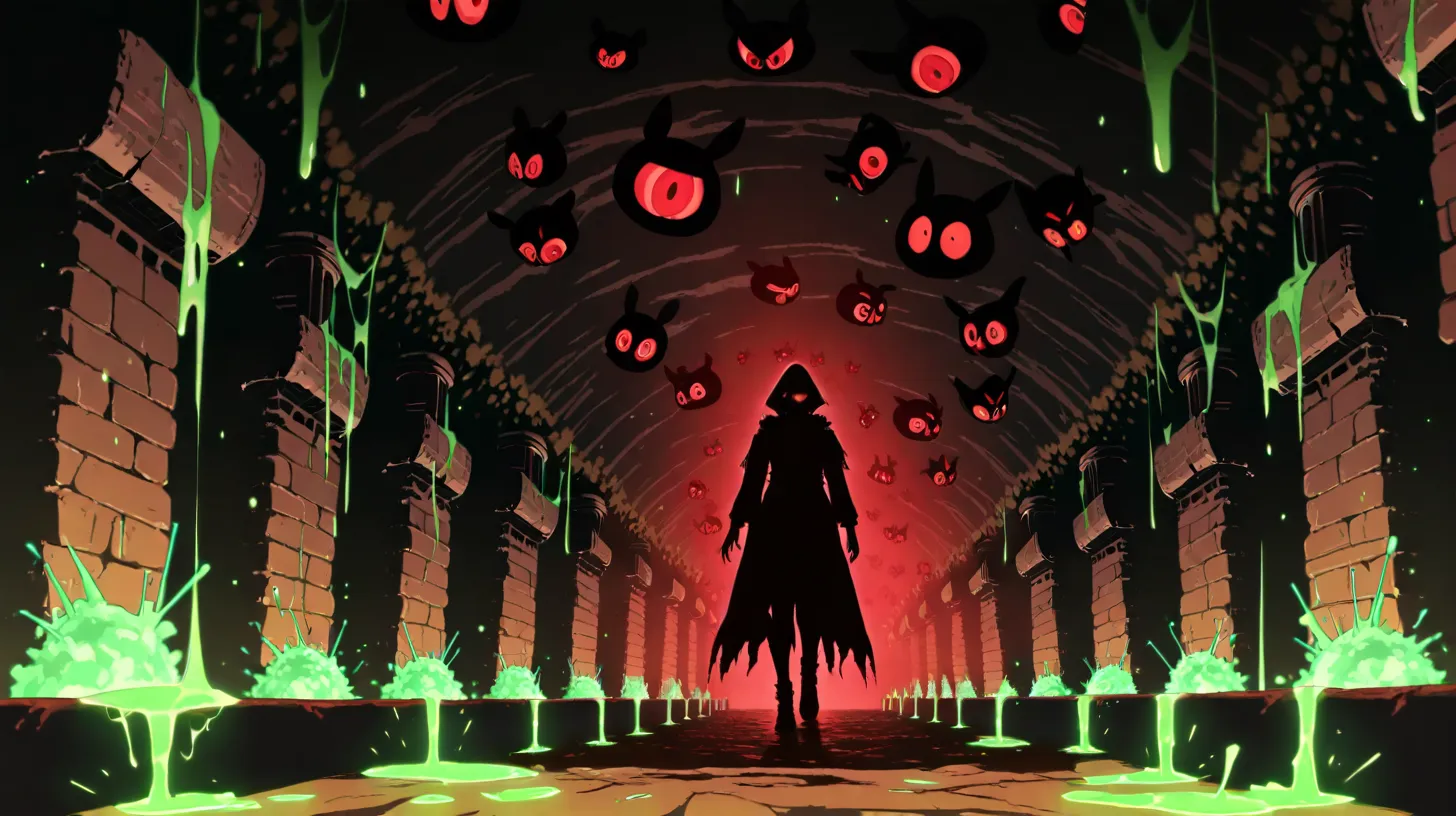
Skaven: Complete Faction Guide & Lore
Everything you need to know about the Skaven — the ratmen of the Warhammer world. Clan structure, lore, key characters, and how to play them in Warhammer Fantasy, Age of Sigmar, and Total War.
Sibling topics
Also in General RPG Content Hub
Start building your world today
A linked wiki, a timeline and a live DM screen — free, in your browser, no account needed.