Fabius Bile: Warhammer 40K Lore Guide
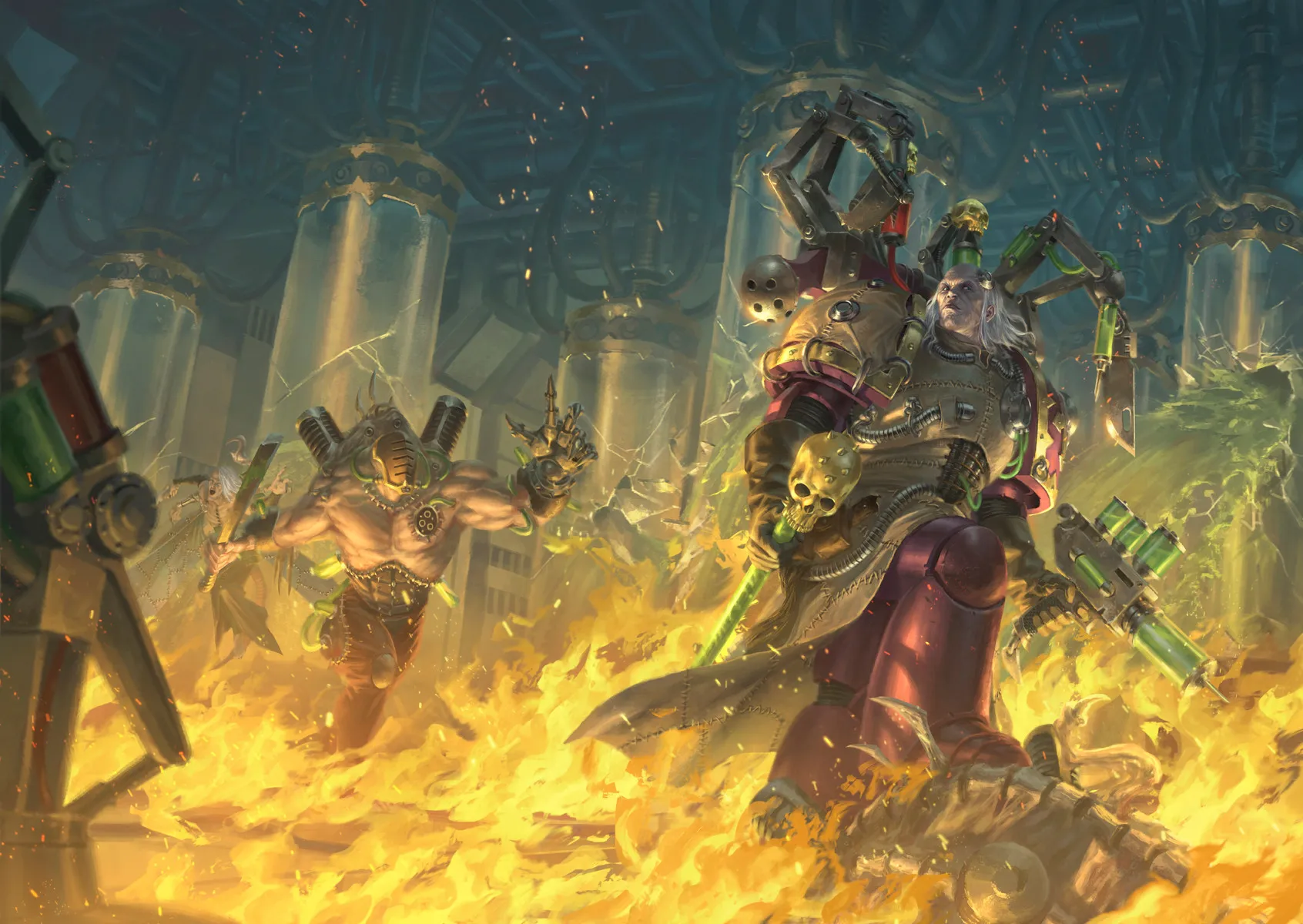
Every faction in Warhammer 40,000 has a reason to hate Fabius Bile. The Imperium hunts him for his crimes against humanity's genetic heritage. The Traitor Legions curse him for the gene-seed he has harvested from their dead, even as they pay for his services. The Black Legion has never forgiven him for trying to clone Horus. And yet, ten thousand years after the Heresy, the Clonelord is still at work in his laboratories, convinced that he alone can build the future of the human race.
Once Chief Apothecary of the Emperor's Children, Fabius is the setting's archetypal mad scientist: brilliant, arrogant and utterly without conscience. Unlike most Chaos champions, he does not worship the gods; he wants to outdo them. This guide follows the man behind the Chirurgeon, from the Legion of perfection to the theft of the Warmaster's body, the New Men he breeds as humanity's successors, and his place in the 2026 setting.
Fabius Bile at a Glance
| Aspect | Detail |
|---|---|
| Titles | The Primogenitor, the Clonelord, the Manflayer; formerly Chief Apothecary of the Emperor's Children |
| Allegiance | Himself and his own vision of humanity's future; no patron god |
| Legion | III Legion, the Emperor's Children (long since parted from it) |
| Primarch | Fulgrim, now a Daemon Primarch of Slaanesh |
| Signature gear | The Chirurgeon, the Rod of Torment and the Xyclos Needler |
| Infamous deed | Stealing Horus's body during the Legion Wars to clone the Warmaster |
| Key novels | Josh Reynolds's Fabius Bile trilogy: Primogenitor, Clonelord and Manflayer |
| Status in M42 | Alive and still experimenting, kept going by his own science |
Origin: The Apothecary of a Perfect Legion
The Emperor's Children had nearly died out before they ever found their Primarch, after a catastrophic failure of their gene-seed early in the Great Crusade. When Fulgrim took command and rebuilt the Legion, its warriors became obsessed with proving themselves flawless. For an apothecary, that obsession offered a dangerous invitation. Fabius rose to become Chief Apothecary, and he came to see the Legion's flesh as raw material that could always be improved.
In Graham McNeill's Horus Heresy novel Fulgrim, Fabius begins experimenting on his own brothers: surgical enhancements, combat stimulants and alterations to the gene-seed that were meant to make the Emperor's Children even better. As the Legion slid toward excess under the influence of the daemon blade Fulgrim had taken on Laeran, those experiments grew darker. By the time the Legion turned traitor, Fabius had already crossed every line the Imperium recognized.
Defining Deeds
The Horus Heresy
Fabius followed his Legion into the Horus Heresy and through Isstvan, where Fulgrim killed Ferrus Manus at the Dropsite Massacre, and on to the Siege of Terra. For an apothecary with no moral limits, the war was a source of endless subjects. Where other traitors fought for Horus, for revenge or for the gods, Fabius fought for the chance to keep working.
The Theft of Horus
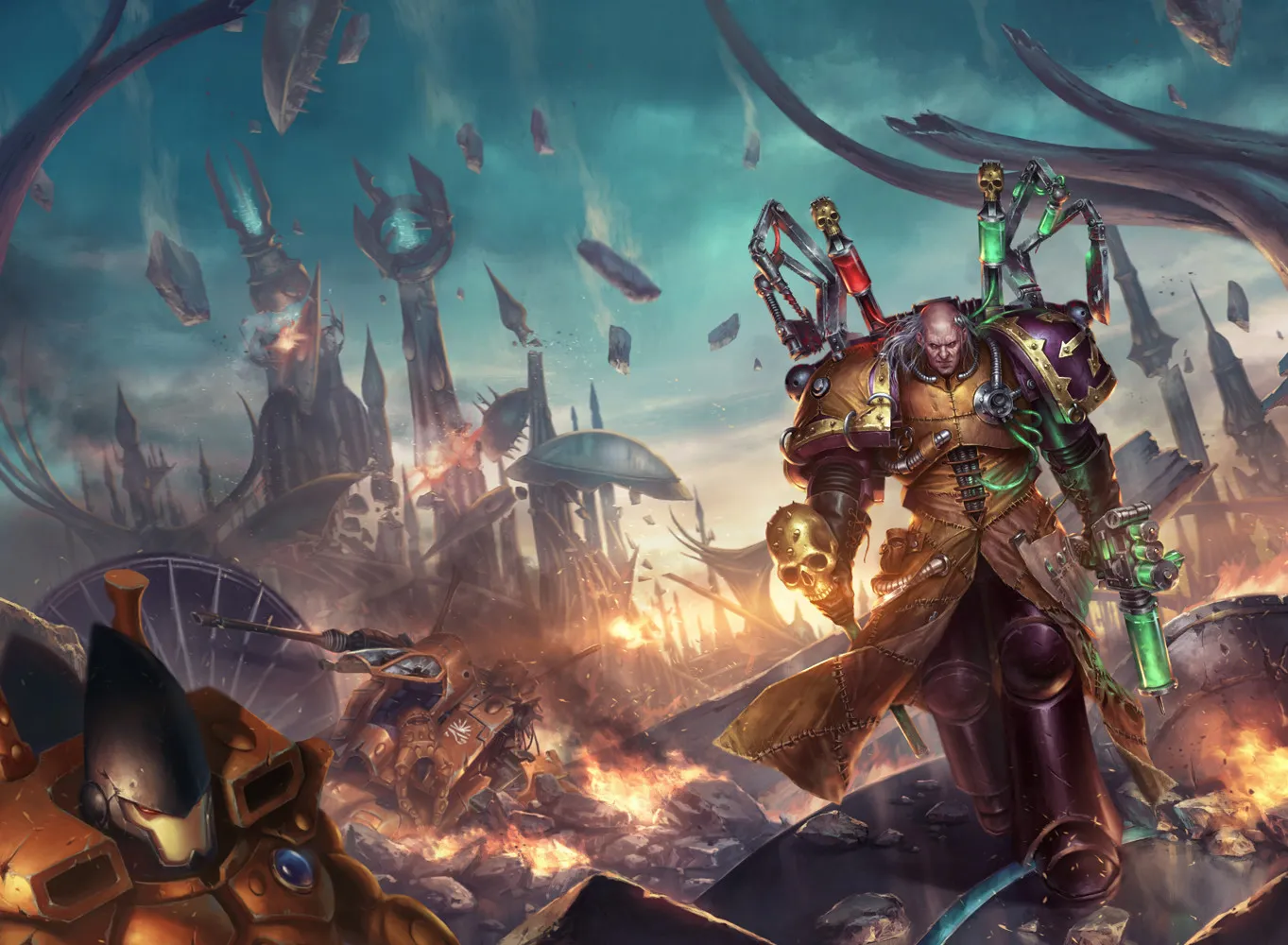
His most infamous act came after the Heresy. When the traitors fled into the Eye of Terror and turned on each other in the Legion Wars, the Emperor's Children seized the body of Horus from the broken Sons of Horus. Fabius planned to clone the Warmaster, and he succeeded in creating a clone. He did not get to keep it. Ezekyle Abaddon tracked the clone down, destroyed it and burned his father's body, then founded the Black Legion. That episode made Abaddon the Despoiler one of Fabius's most dangerous enemies.
Breaking With the Legion
As the Emperor's Children dissolved into warbands chasing ever more extreme sensations, Fabius went his own way. He had no interest in becoming another servant of Slaanesh. His art, as he sees it, is science, and his goal is not pleasure but the remaking of humanity. He became an independent power, moving between hidden laboratories and offering his services to any warlord able to pay.
The Clonelord's Work
Fabius has spent ten thousand years trying to perfect the human form. His most important creations are the New Men, enhanced humans he believes will inherit the galaxy once the Imperium and the Traitor Legions have destroyed each other. He also creates new Chaos Space Marines and genetic enhancements for warbands, in exchange for resources, protection and fresh subjects. This is the paradox of his position: the Legions loathe him, but they keep doing business with him because nobody else can replenish their numbers the way he can.
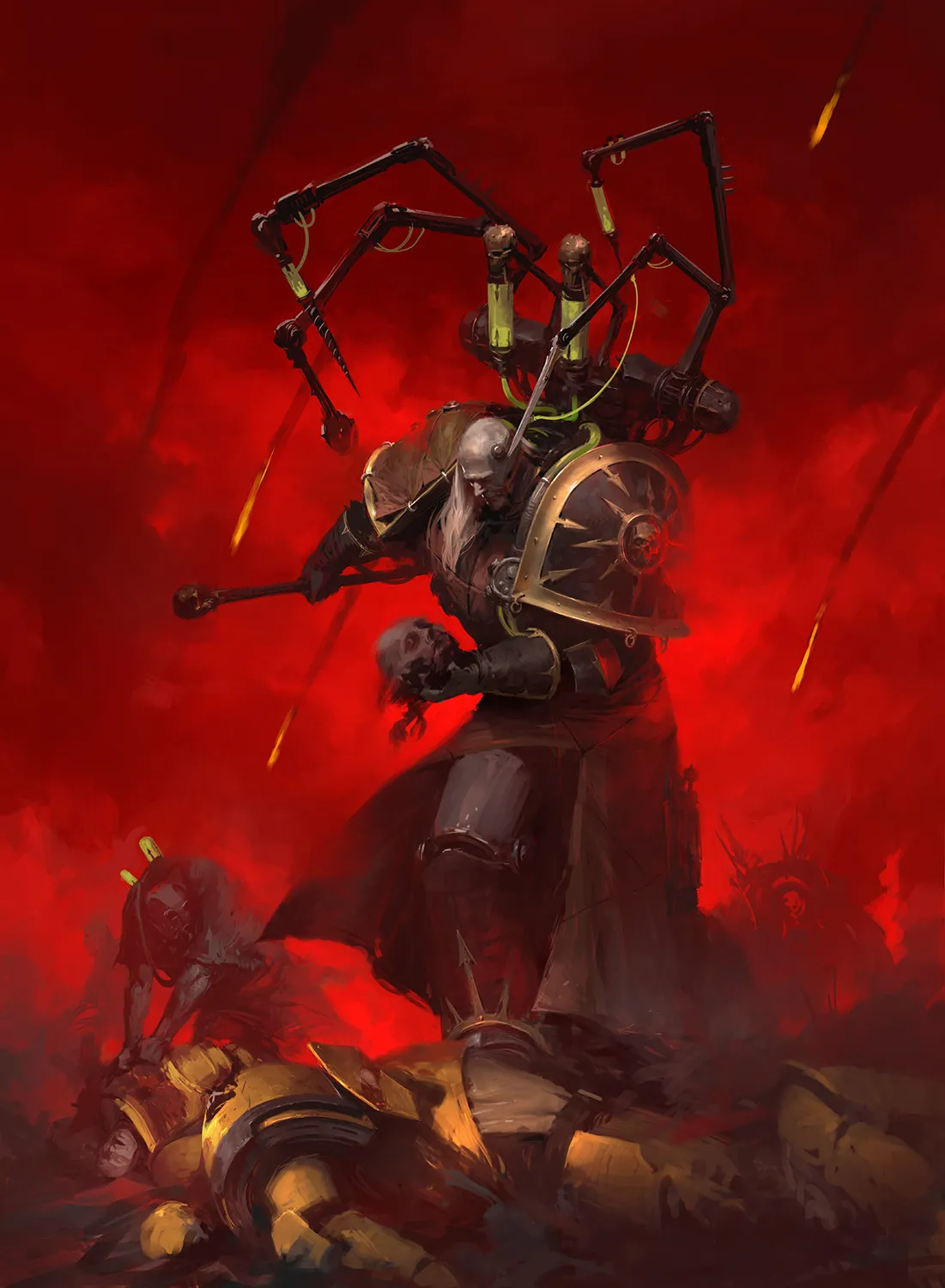
- The Chirurgeon: a spider-limbed surgical device mounted on his back. It assists in his operations, pumps drugs into his failing body and is one of the reasons he is still alive.
- The Rod of Torment: a staff that floods a victim's nervous system with agony.
- The Xyclos Needler: a pistol that injects toxins and mutagens.
- Gene-seed harvesting: Fabius collects progenoid glands from the dead of every Legion and Chapter, which is why loyalists and traitors alike see his presence on a battlefield as a desecration.
Fabius has also had to keep himself alive. The lore portrays his body as worn out by millennia of stimulants and self-experimentation, sustained by drugs and constant intervention. Josh Reynolds's Black Library trilogy explores this side of him in depth, following Fabius through his schemes, his creations and the attempts of old enemies to finish him.
Personality and Relationships
Fabius is cold, proud and supremely confident in his own genius. He considers the Chaos Gods crude forces to be used, not worshipped, and he sees both the Imperium and the Traitor Legions as failed experiments. What makes him unsettling is that, in his own mind, he is the hero of the story: the one figure still working to save humanity, whatever the cost to the humans on his operating table.
- Fulgrim: the Primarch he served as Chief Apothecary. Fulgrim embraced Slaanesh and became a Daemon Primarch; Fabius did not follow him into worship. For the god behind that transformation, see our guide to Slaanesh.
- Abaddon and the Black Legion: they have never forgiven him for the Horus clone.
- The Emperor's Children: his former brothers, now scattered warbands of excess. Some still buy his work; few trust him.
- The Imperium: to the Inquisition and the Space Marines, Fabius is one of the most wanted criminals in the galaxy, a thief of the gene-seed that sustains every Chapter.
Fate and Current Status in the Era Indomitus
Fabius has survived every attempt to kill him, and the Great Rift has given him a galaxy in turmoil to exploit. With the Imperium under siege and the Traitor Legions growing again around their returning Daemon Primarchs, demand for his work has never been higher. In the 2026 setting, he remains active, independent and alive, still refining the New Men and still selling his talents to warlords who despise him. Fulgrim's return to realspace in 2025 has put the Emperor's Children back at the center of the story, and Fabius, as ever, stands slightly apart from his old Legion, pursuing an agenda that is entirely his own.
Fabius Bile on the Tabletop
On the tabletop, Fabius Bile fights alongside the forces of Chaos as a specialist rather than a warlord: a deadly close-combat character whose identity is all about enhancing the warriors around him with stimulants and surgery, fitting his lore as a hired geneticist. His model shows him with the Chirurgeon looming over his shoulders and the Rod of Torment in hand, and he is a favorite centerpiece for players who want a character with a strong story and a gruesome, unusual look. For the full Chaos range and every other army, see the Warhammer 40K factions guide.
Fabius Bile FAQ
Who is Fabius Bile?
Fabius Bile is the former Chief Apothecary of the Emperor's Children, a renegade geneticist who has spent ten thousand years experimenting on humans and Space Marines in pursuit of a perfected species.
Did Fabius Bile clone Horus?
Yes, he created a clone of Horus after the Emperor's Children stole the Warmaster's body during the Legion Wars. Abaddon destroyed the clone and burned the body before founding the Black Legion.
Does Fabius Bile worship Slaanesh?
No. Although his Legion fell to Slaanesh, Fabius serves no god. He sees the Chaos powers as tools and pursues his own goal of remaking humanity.
What is the Chirurgeon?
A spider-limbed surgical device mounted on Fabius's back. It assists him in surgery and combat, and pumps drugs into his body to keep him alive.
Which books feature Fabius Bile?
Josh Reynolds's trilogy, Primogenitor, Clonelord and Manflayer, puts him at the center. He also appears as Chief Apothecary in Graham McNeill's Horus Heresy novel Fulgrim.
Is Fabius Bile still alive in Warhammer 40K?
Yes. In the current Era Indomitus setting, Fabius is still active, sustained by the Chirurgeon and his own experiments.
Continue Exploring
- Emperor's Children — Fabius's former Legion, from the pursuit of perfection to the 2025 return.
- Fulgrim — the Phoenician, Fabius's Primarch and Daemon Primarch of Slaanesh.
- Abaddon the Despoiler — the Warmaster who destroyed Fabius's clone of Horus.
- Chaos Space Marines — the Traitor Legions and warbands that buy his services.
- Warhammer 40K Factions: Complete Guide to All 29 Armies — every army, its lore and how it plays
Name your own renegade apothecary with the Chaos Space Marine name generator, or browse every guide in the Warhammer 40K lore hub. To keep track of a villain's schemes across a long campaign, Anima is free and runs in your browser with no account: a wiki, a timeline, and campaigns with a live DM screen.
Keep reading
More from this topic
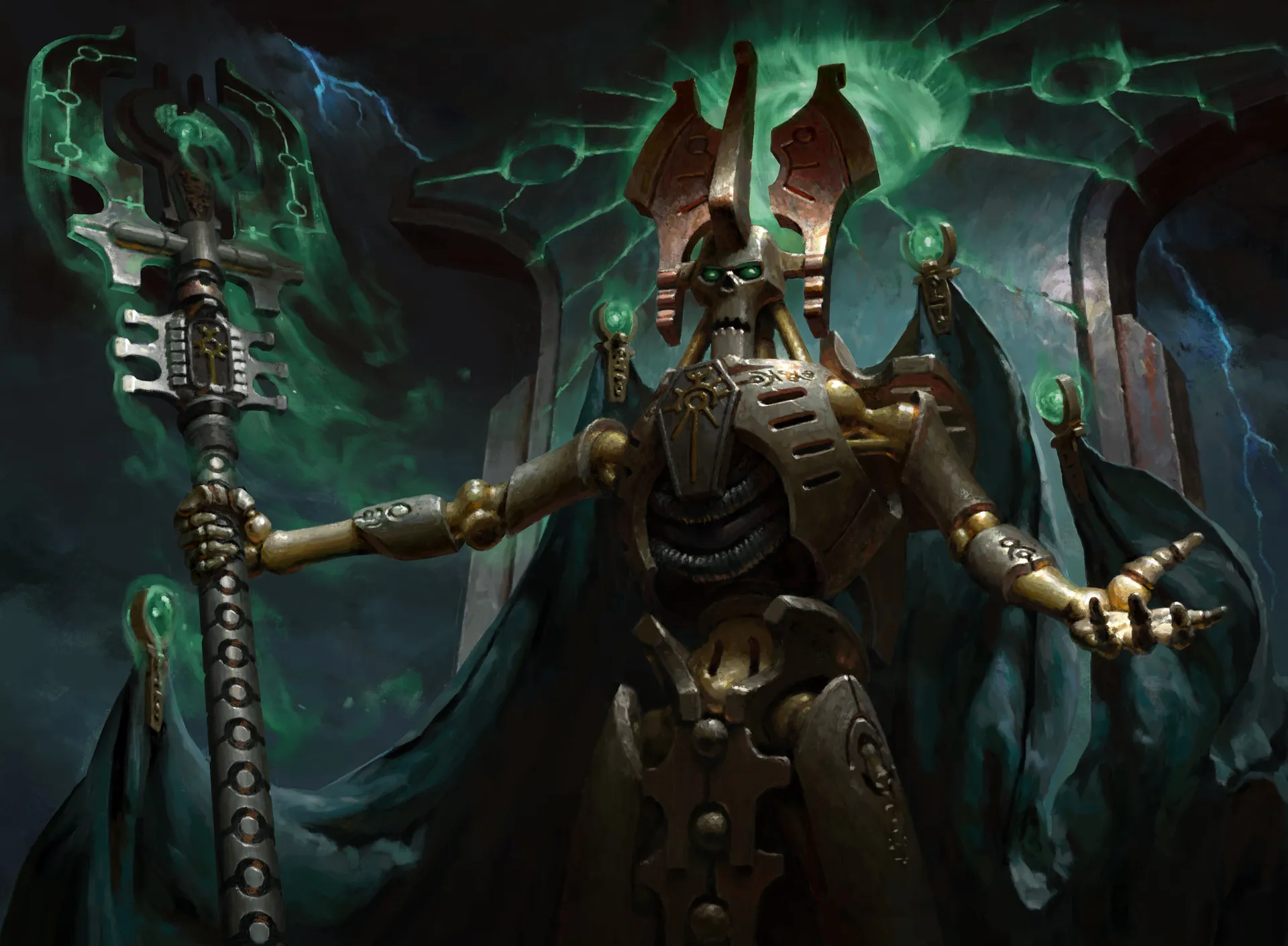
Necrons: Warhammer 40K Lore Guide
The complete lore of the Necrons — the doomed Necrontyr, the C’tan star-gods, biotransference, the War in Heaven, and the deathless dynasties now waking to reclaim the galaxy.
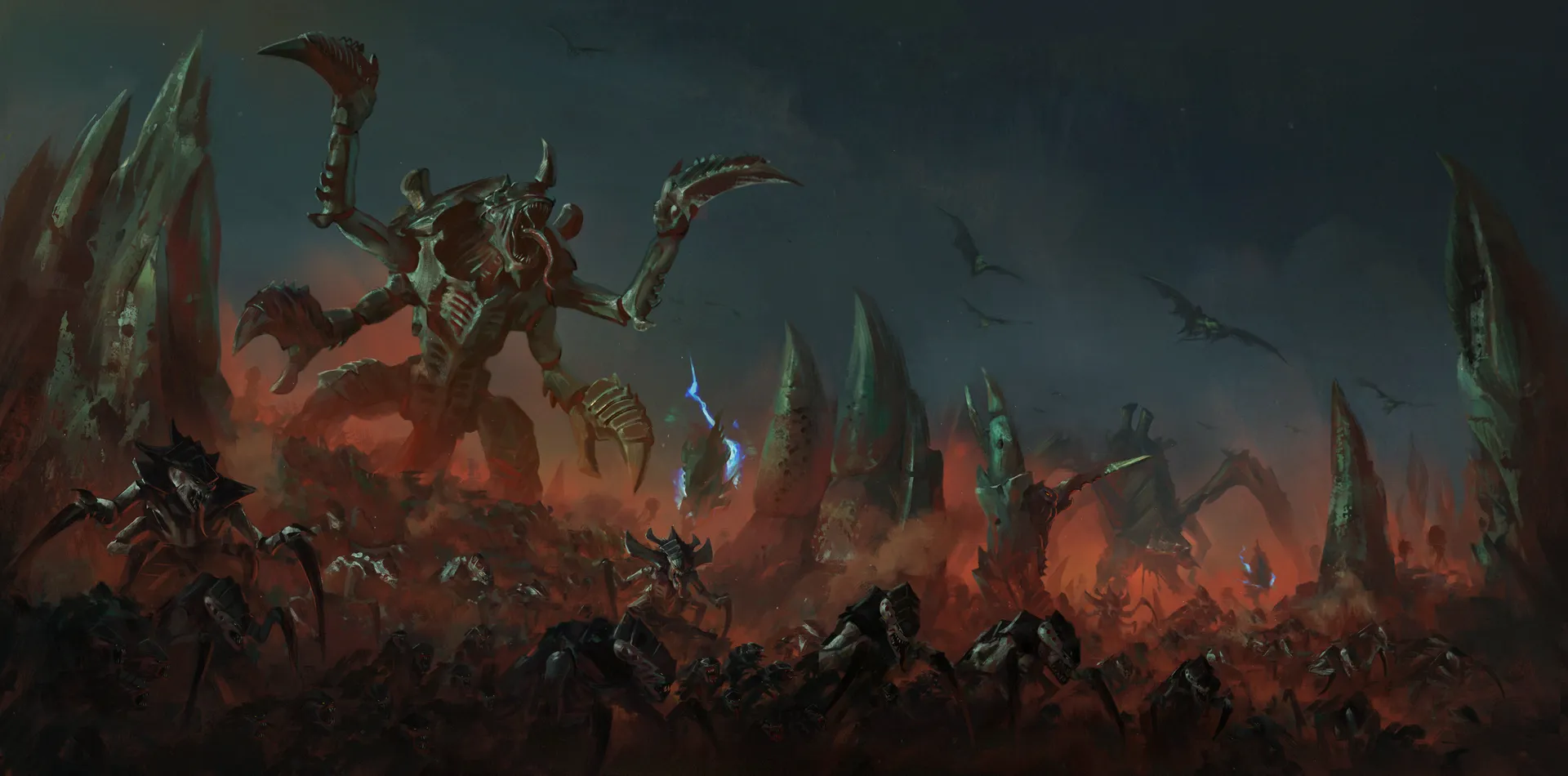
Tyranids: Warhammer 40K Lore Guide
The complete lore of the Tyranids — the Great Devourer, the Hive Mind, the Shadow in the Warp, the great Hive Fleets, Genestealer Cults, and the hunger that crossed the void between galaxies.
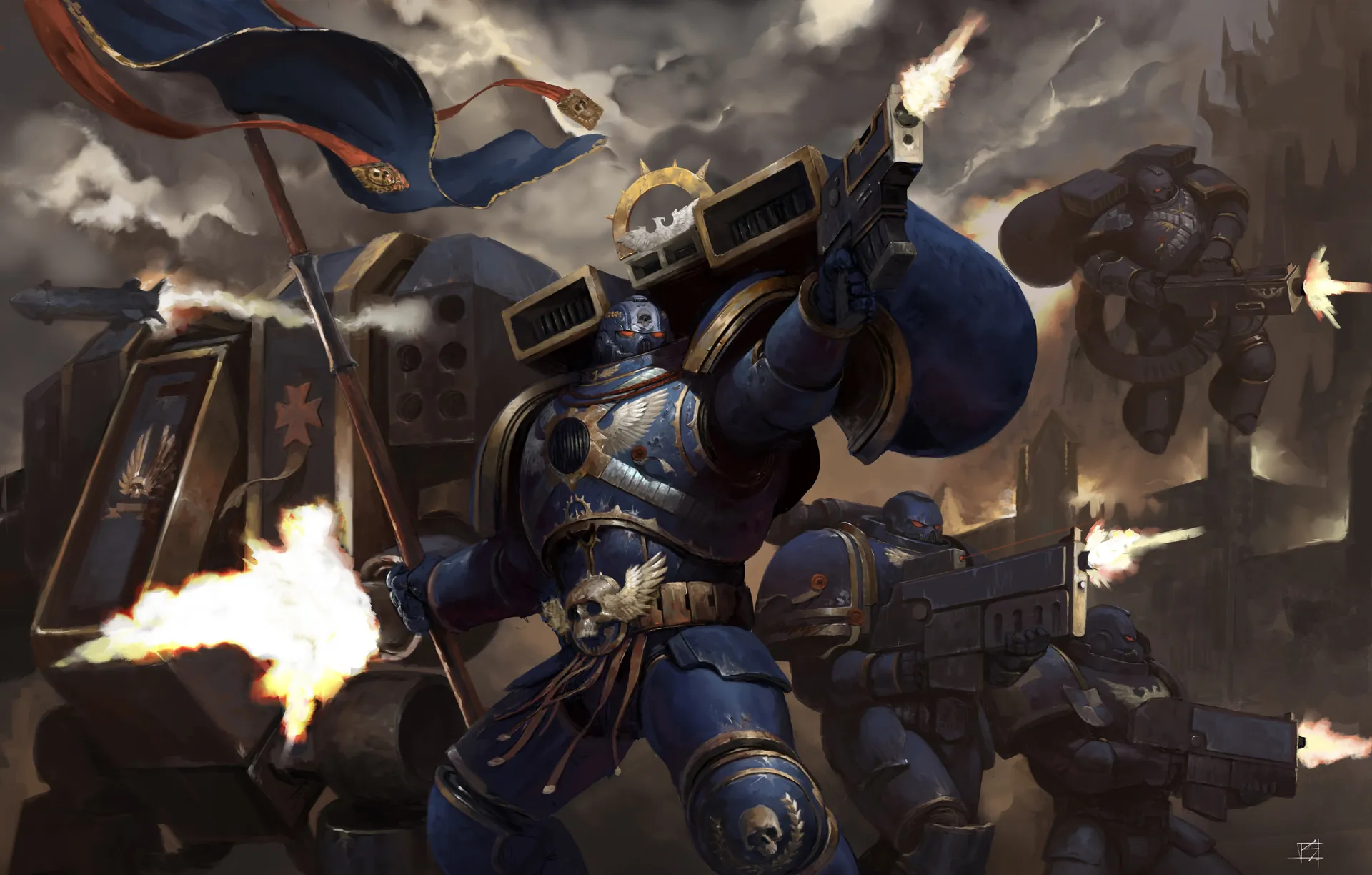
Space Marines (Adeptus Astartes): Warhammer 40K Lore Guide
The complete lore of the Space Marines — the Primarchs, gene-seed, the Horus Heresy, the Codex Astartes and the Chapters, the Primaris and Guilliman’s return, and the cost of the Angels of Death.
Start building your world today
A linked wiki, a timeline and a live DM screen — free, in your browser, no account needed.