Horus Lupercal: Warhammer 40K Lore Guide
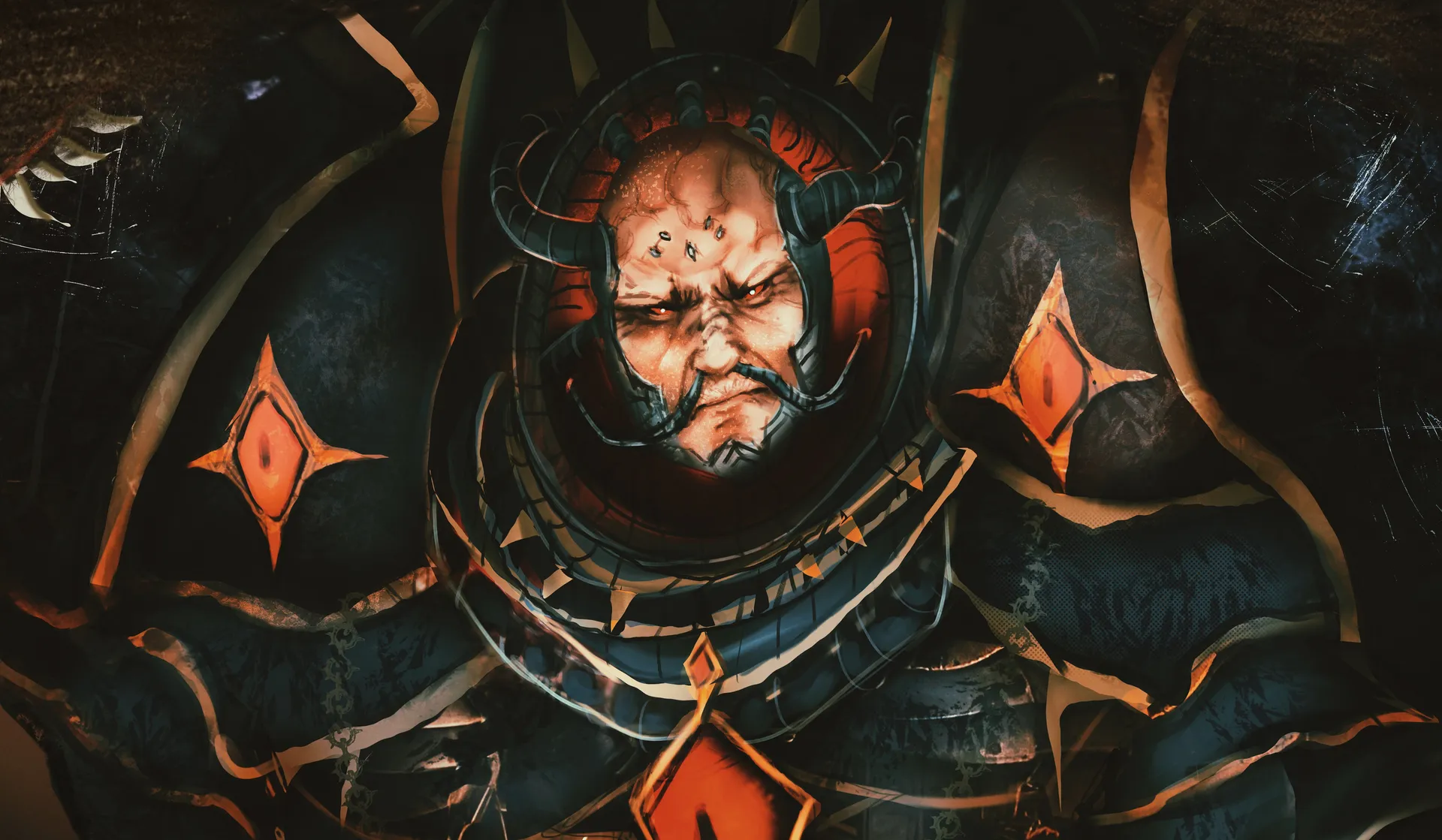
For a few short years, Horus Lupercal was the second most powerful being in the human galaxy. The Emperor called him his favored son, crowned him Warmaster and handed him command of every army of the Great Crusade. Then Horus turned that power against his father, tore the Imperium in half and led the traitor Legions to the walls of the Imperial Palace. Ten thousand years later, the Imperium still calls him the Arch-Traitor, and every Chaos warlord who dreams of conquering Terra is, in one way or another, trying to finish his war.
Horus was the Primarch of the XVI Legion, first the Luna Wolves, then the Sons of Horus, and today the Black Legion of Abaddon the Despoiler. This guide focuses on the man rather than his Legion: his childhood on Cthonia, his rise to Warmaster, the slow corruption that began on Davin, his place among his brothers, his death at the hands of the Emperor and the long shadow he still casts over the 42nd millennium.
Horus Lupercal at a Glance
| Aspect | Detail |
|---|---|
| Titles | Warmaster, the Arch-Traitor, Lupercal, Primarch of the XVI Legion |
| Allegiance | Loyal during the Great Crusade; Chaos Undivided from the Horus Heresy onward |
| Legion | XVI Legion: Luna Wolves, then Sons of Horus, now the Black Legion |
| Homeworld | Cthonia, a mined-out world near Terra ruled by gangs |
| Signature Wargear | The Worldbreaker mace and the Talon of Horus, a lightning claw with built-in bolters |
| Flagship | The Vengeful Spirit |
| Status in M42 | Dead, slain by the Emperor at the end of the Siege of Terra |
| First Major Lore Appearance | Early Rogue Trader-era background; fully developed in the Horus Heresy novels, starting with Horus Rising (2006) |
Origin: The Wolf of Cthonia
Like all of the Primarchs, Horus was created in the Emperor's laboratories beneath the Himalazian mountains and scattered across the galaxy by the Chaos Gods before he could be raised. His capsule landed on Cthonia, a world so thoroughly mined that its crust was honeycombed with tunnels. Cthonia had no real government, only gang lords and killers, and the child learned early that strength, cunning and loyalty from his followers were the only currencies that mattered.
Horus was the first Primarch the Emperor found. For years before any of his brothers were recovered, he fought at his father's side as the Great Crusade began, and that head start shaped everything about him. He knew the Emperor better than any of his siblings. He was charismatic, warm and genuinely admired, a leader who could talk a world into compliance as easily as he could crush it. When the Luna Wolves were given to him, they adopted his own Cthonian bearing, and many of the Legion's later recruits came from his homeworld.
Defining Deeds: From Ullanor to the Warmaster's Throne
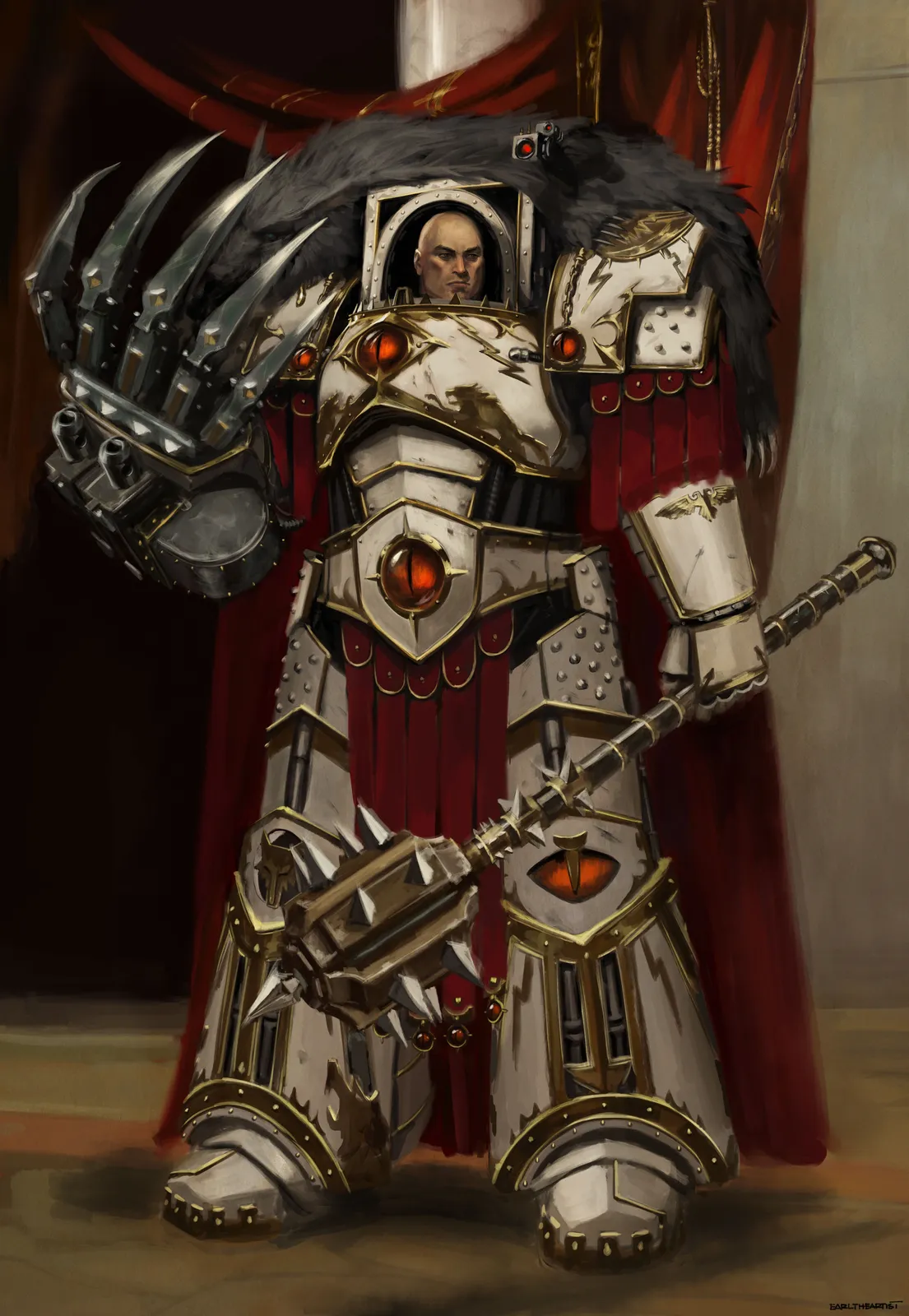
Horus's greatest triumph in the Great Crusade was Ullanor, a vast Ork empire whose overlord, Urlakk Urg, commanded a horde numbering in the billions. Horus led the decapitating strike himself and killed the Ork warlord in single combat. To celebrate the victory, the Emperor held the Triumph of Ullanor, a parade of millions of soldiers across a vast plain, and announced two decisions that would change history. He would return to Terra to pursue a secret project. And Horus, not any of his other sons, would lead the Great Crusade in his place as Warmaster.
The title made Horus the master of every Legion, every Imperial Army regiment and every Mechanicum fleet in the field. It also put him under impossible pressure. Some of his brothers resented the promotion; Horus himself resented the Council of Terra, the civilian body of administrators the Emperor created to govern the Imperium, which began issuing demands and auditing his campaigns. The Black Library novel Horus Rising by Dan Abnett captures this moment brilliantly: a Warmaster at the height of his powers, beloved by his Legion and its inner circle, the Mournival, yet quietly wondering what his father intends to do with the galaxy once the fighting stops.
Davin and the Fall
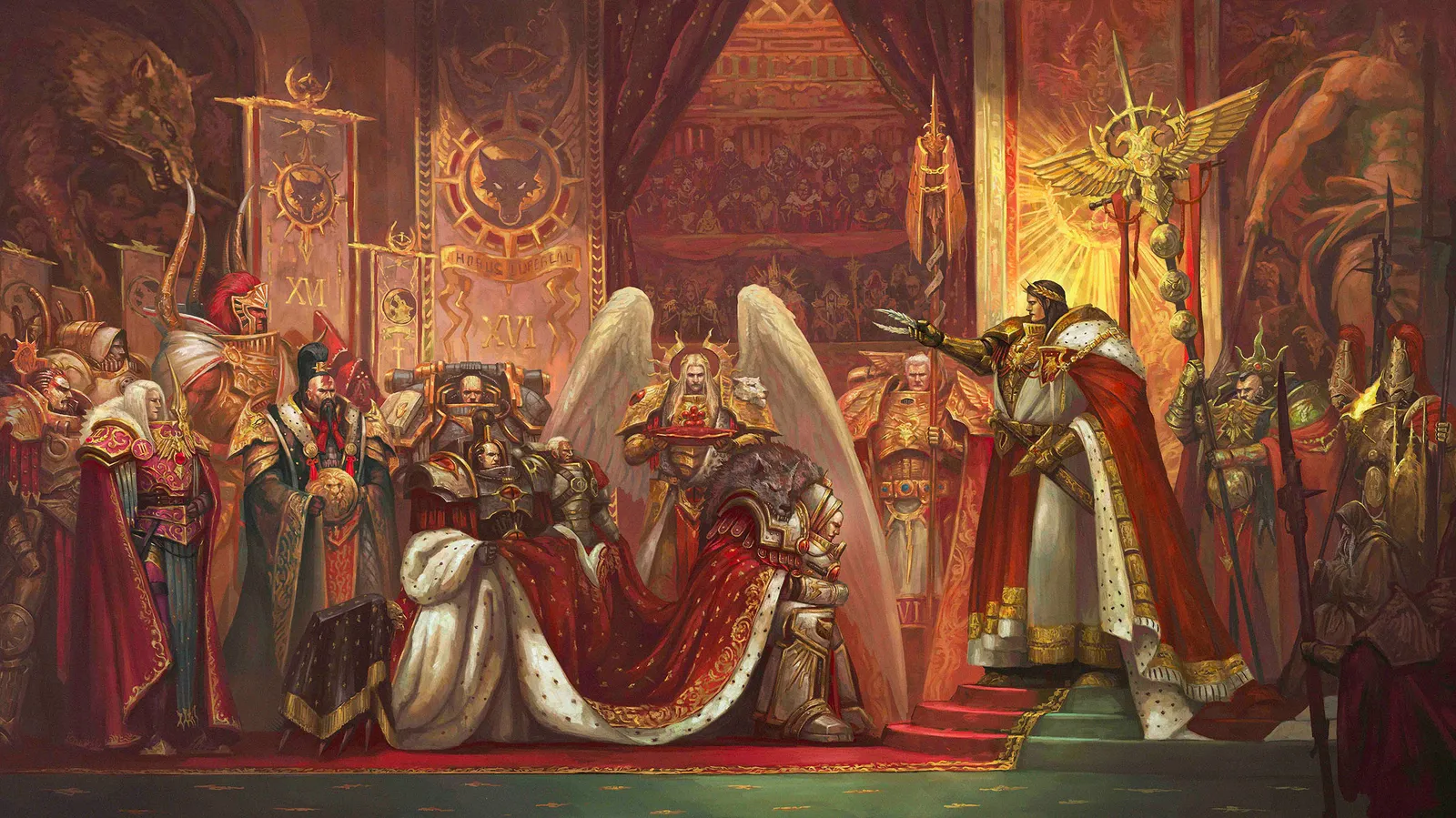
The fall began on Davin's moon, where Horus answered a call for help from Eugan Temba, a former Imperial commander who had been corrupted by the Warp. Temba struck Horus with the Anathame, a blade forged to kill a god, and the wound refused to heal. Erebus, First Chaplain of the Word Bearers, arranged for the dying Warmaster to be taken to a lodge temple on Davin. There, as told in Graham McNeill's False Gods, Horus's spirit was shown visions by the powers of the Warp: a future in which the Emperor was worshipped as a god, his sons forgotten and humanity enslaved to a lie. Horus woke healed and changed. He believed the Emperor had betrayed him first, and he accepted the gods' help to stop him.
From there the conspiracy moved quickly. Horus won over brothers who already harbored grievances: Lorgar, whose faith had been publicly humiliated; Angron, who hated his father; Fulgrim, already whispered to by a daemon blade; Perturabo, resentful of his thankless wars. He purged the loyalists hidden in his own Legions at Isstvan III, and at the Dropsite Massacre on Isstvan V he shattered three loyal Legions in a single day. The Horus Heresy had begun.
Personality and Relationships
The tragedy of Horus is that his virtues made him fall. He was proud, but with reason. He was loyal to his brothers, which is why so many followed him. He was a brilliant strategist who understood that the Imperium's victories depended on him, and that understanding curdled into the conviction that he, not his distant father, should decide humanity's future. The novels portray him less as a cackling villain than as a great man who could not admit he had been deceived.
- The Emperor: Horus loved his father more openly than any other Primarch did, and felt abandoned when the Emperor withdrew to Terra without explaining why. That sense of betrayal was the crack Chaos needed. Our guide to the Emperor of Mankind explains the secret project that Horus never understood.
- Sanguinius: the Angel of the Blood Angels was Horus's closest brother and the one he most wanted at his side. Sanguinius refused him, and their final meeting aboard the Vengeful Spirit ended with Horus killing him. Read more in our Sanguinius guide.
- Lorgar: the Primarch of the Word Bearers and his First Chaplain Erebus engineered Horus's corruption long before Davin. See our Lorgar guide for the true architect of the Heresy.
- Abaddon: Horus's First Captain was so like him that many called him the Primarch's true son. Abaddon carried his father's body away from Terra and later took his title, as told in our Abaddon the Despoiler guide.
- Loken and the Mournival: Garviel Loken, Tarik Torgaddon, Horus Aximand and Abaddon were the Warmaster's council of captains. Loken's loyalty to the Emperor, and his survival of Isstvan III, made him the conscience Horus chose to ignore.
Fate: The Siege of Terra and the Death of the Warmaster
After seven years of civil war, Horus brought his armies to the Sol System and laid siege to the Imperial Palace. The fighting lasted months. Rogal Dorn's defenses held, barely, while loyalist reinforcements under Roboute Guilliman and Leman Russ raced toward Terra. Horus knew time was running out. In the most famous version of the story, he lowered the void shields of the Vengeful Spirit, an invitation the Emperor could not refuse, and the Emperor teleported aboard with Sanguinius, Rogal Dorn and a small band of warriors who were scattered on arrival.
Sanguinius reached Horus first and died. When the Emperor arrived, Horus, swollen with the power of all four Chaos Gods, wounded his father terribly. The old lore tells that the Emperor held back out of love until Horus killed a lone soldier who stood between them, an act of pointless cruelty that showed the Emperor his son was gone. The Emperor then struck with his full psychic strength and destroyed Horus utterly, body and soul, so that he could never be reborn in the Warp. The final Siege of Terra novel, The End and the Death, retells this confrontation in detail, portraying Horus as having become a vessel for the gods themselves. The Emperor, mortally wounded, was placed on the Golden Throne, where he remains.
Horus's death did not end his story. His Legion carried his body into the Eye of Terror. The Emperor's Children later stole it so that Fabius Bile could clone the Warmaster, and Abaddon destroyed the clone and burned his father's remains before renouncing the name Sons of Horus. In the current setting, Horus is dead and has not returned. What survives of him is a title, Warmaster, now worn by Abaddon; a weapon, the Talon of Horus, which Abaddon carries; and an idea, that the Imperium can be conquered.
Horus's Legacy in the 42nd Millennium
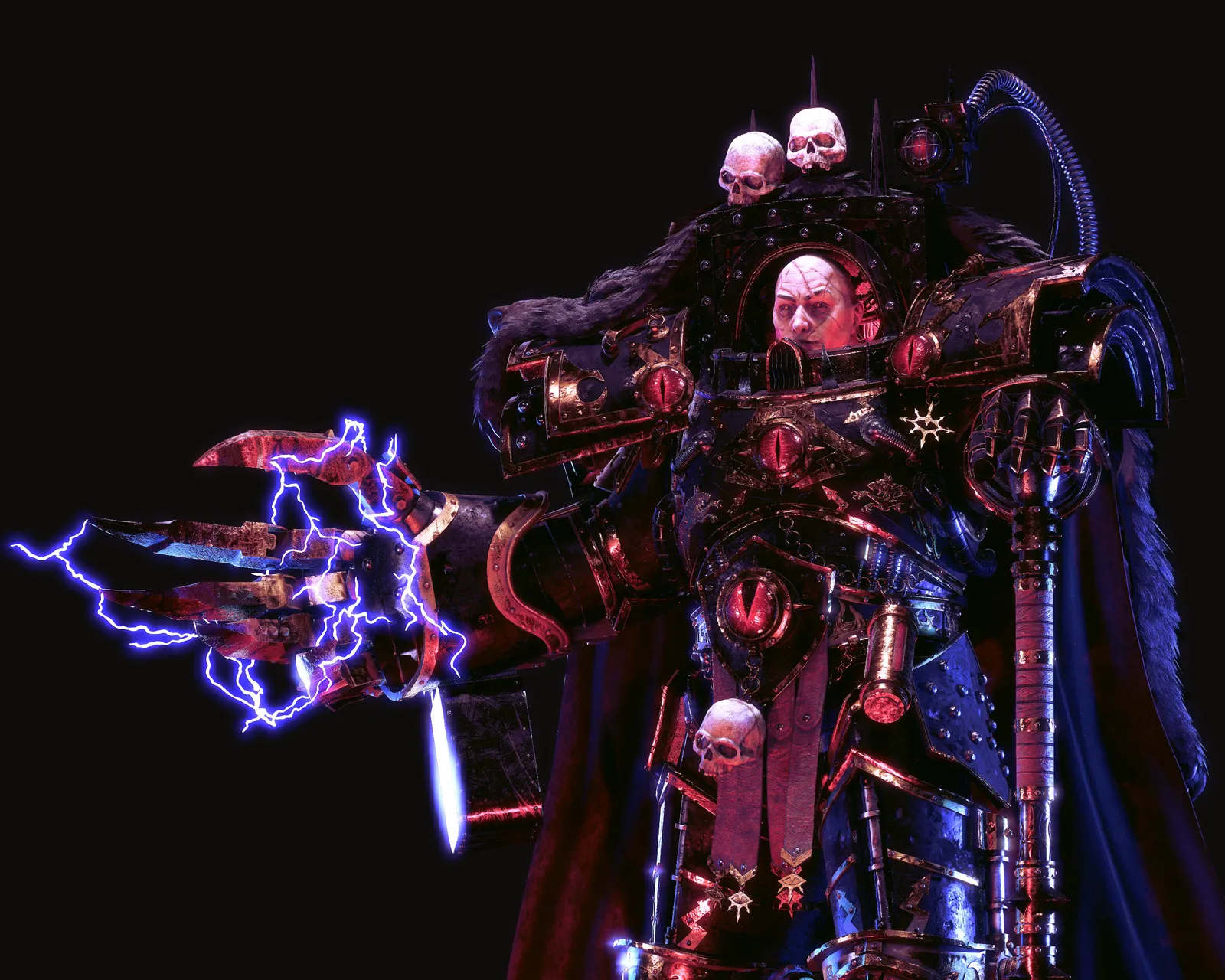
The Imperium remembers Horus as the greatest traitor in history, and his name is a curse across a million worlds. Yet his influence is everywhere. The Black Legion still marks its armor with the Eye of Horus. Thirteen Black Crusades have been launched in the name of finishing his war, and the fall of Cadia and the opening of the Great Rift are, in a sense, the delayed consequences of the path he chose. Several of his brothers who followed him, including Angron, Mortarion, Magnus, Fulgrim and Perturabo, now walk the galaxy as Daemon Primarchs, while the sons who stayed loyal, such as Roboute Guilliman, fight to hold together what is left of the Imperium Horus broke.
For storytellers, Horus is the perfect case study of a fallen hero. He was not seduced by greed or hunger for power alone. He was told a version of the truth, that his father hid secrets and planned to discard his sons, and he believed it because part of it was true. That ambiguity is why the Horus Heresy remains the most popular story in the setting, and why so many campaigns borrow its structure: a beloved leader, a hidden manipulator, a single moment of doubt.
Horus on the Tabletop
Horus belongs to the Horus Heresy era, so he does not appear as a playable character in standard Warhammer 40,000 games set in the 41st and 42nd millennia. He is a centerpiece of the Warhammer: The Horus Heresy game, where Forge World produced a large resin model of Horus Ascended, the Warmaster at the height of his corruption, wielding Worldbreaker and the Talon of Horus. On the table he plays as you would expect: an overwhelming melee monster and commander who makes the Sons of Horus around him even more dangerous.
In 40K, his legacy is fielded through the Chaos Space Marines range, led by Abaddon with the Talon of Horus. Many collectors also build Heresy-era Sons of Horus armies in sea-green to fight alongside or against their 40K forces.
Horus Lupercal FAQ
Why did Horus betray the Emperor?
Horus was mortally wounded on Davin's moon and, while near death, was shown visions by the Chaos Gods of a future in which the Emperor became a god and abandoned his sons. Combined with his resentment at the Emperor's withdrawal to Terra and the creation of the Council of Terra, those visions convinced him that his father had betrayed humanity first.
Who killed Horus?
The Emperor of Mankind killed Horus aboard the Vengeful Spirit at the end of the Siege of Terra. The Emperor destroyed his son's soul as well as his body, but was himself mortally wounded and has sat on the Golden Throne ever since.
Is Horus still alive in Warhammer 40K?
No. Horus is dead in the current setting and has not returned. His Legion became the Black Legion, his title of Warmaster passed to Abaddon the Despoiler, and an attempt to clone him by Fabius Bile was destroyed by Abaddon.
Did Horus kill Sanguinius?
Yes. Sanguinius, Primarch of the Blood Angels, confronted Horus aboard the Vengeful Spirit before the Emperor arrived and was killed by him. Sanguinius's death is one of the defining tragedies of the Heresy.
What is the Talon of Horus?
The Talon of Horus is the Warmaster's lightning claw with integrated bolters, the weapon that killed Sanguinius. Abaddon recovered it, and he still wields it as Warmaster of Chaos in the 42nd millennium.
Which Chaos God did Horus serve?
None in particular. Horus was the champion of all four Chaos Gods together, Chaos Undivided, which is why he could unite Legions devoted to Khorne, Nurgle, Tzeentch and Slaanesh. Our guide to the four Chaos Gods explains the powers he served.
Continue Exploring
- Black Legion — Horus's XVI Legion, reborn under Abaddon in the Eye of Terror.
- The Primarchs — all twenty sons of the Emperor, loyal, traitor and lost.
- The Horus Heresy — the civil war Horus started, from Isstvan to the Siege of Terra.
- Abaddon the Despoiler — Horus's First Captain and heir to the title of Warmaster.
- Sanguinius — the brother Horus loved most and killed aboard the Vengeful Spirit.
- Warhammer 40K factions guide — every army, its lore and how it plays.
For every other army and character deep-dive, browse the Warhammer 40K lore hub, and name your own Sons of Horus veteran with the Chaos Space Marine name generator. To track your own Heresy campaign, Anima is free and runs in your browser with no account: a wiki, a timeline, and campaigns with a live DM screen.
Keep reading
More from this topic
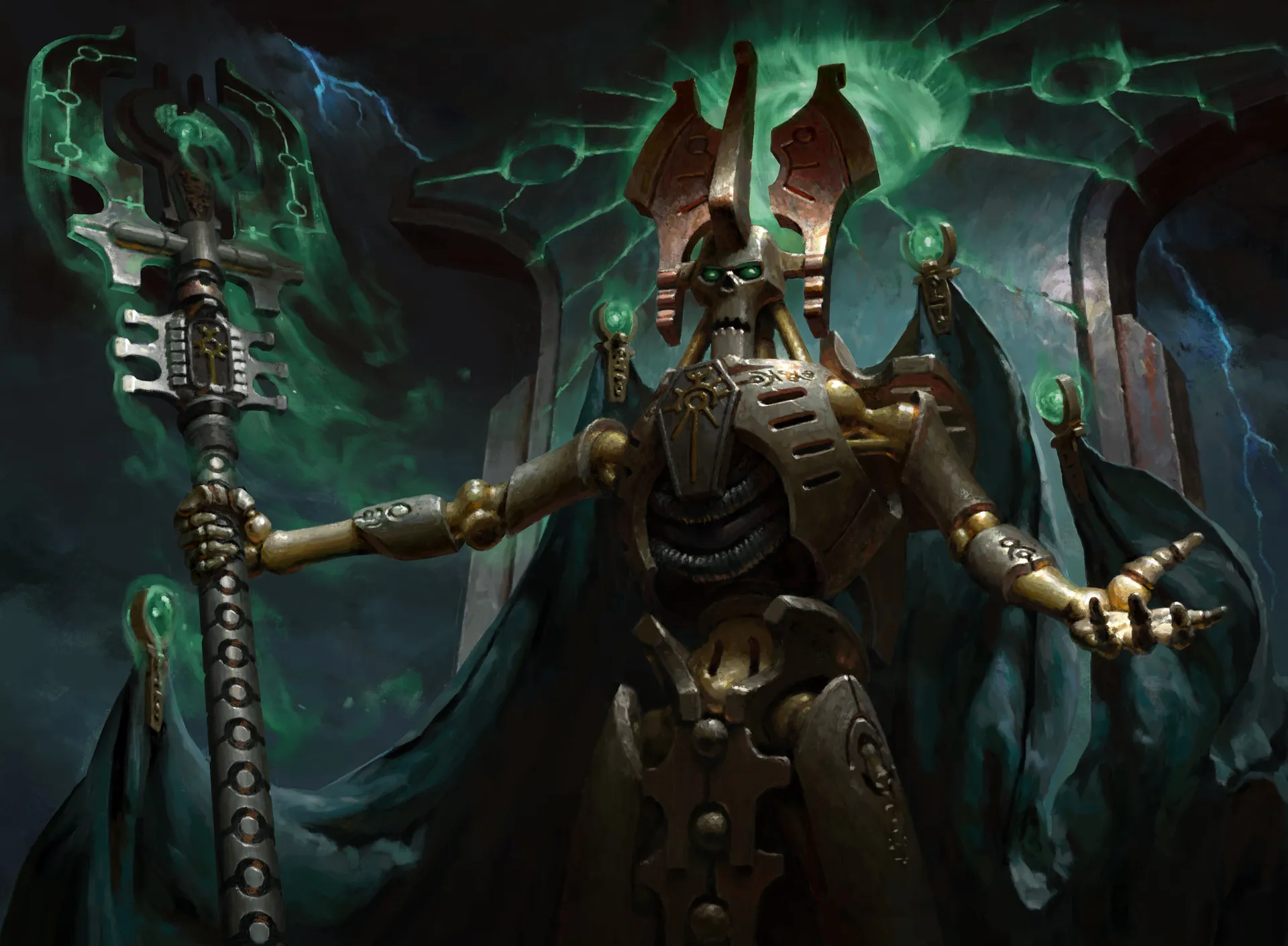
Necrons: Warhammer 40K Lore Guide
The complete lore of the Necrons — the doomed Necrontyr, the C’tan star-gods, biotransference, the War in Heaven, and the deathless dynasties now waking to reclaim the galaxy.
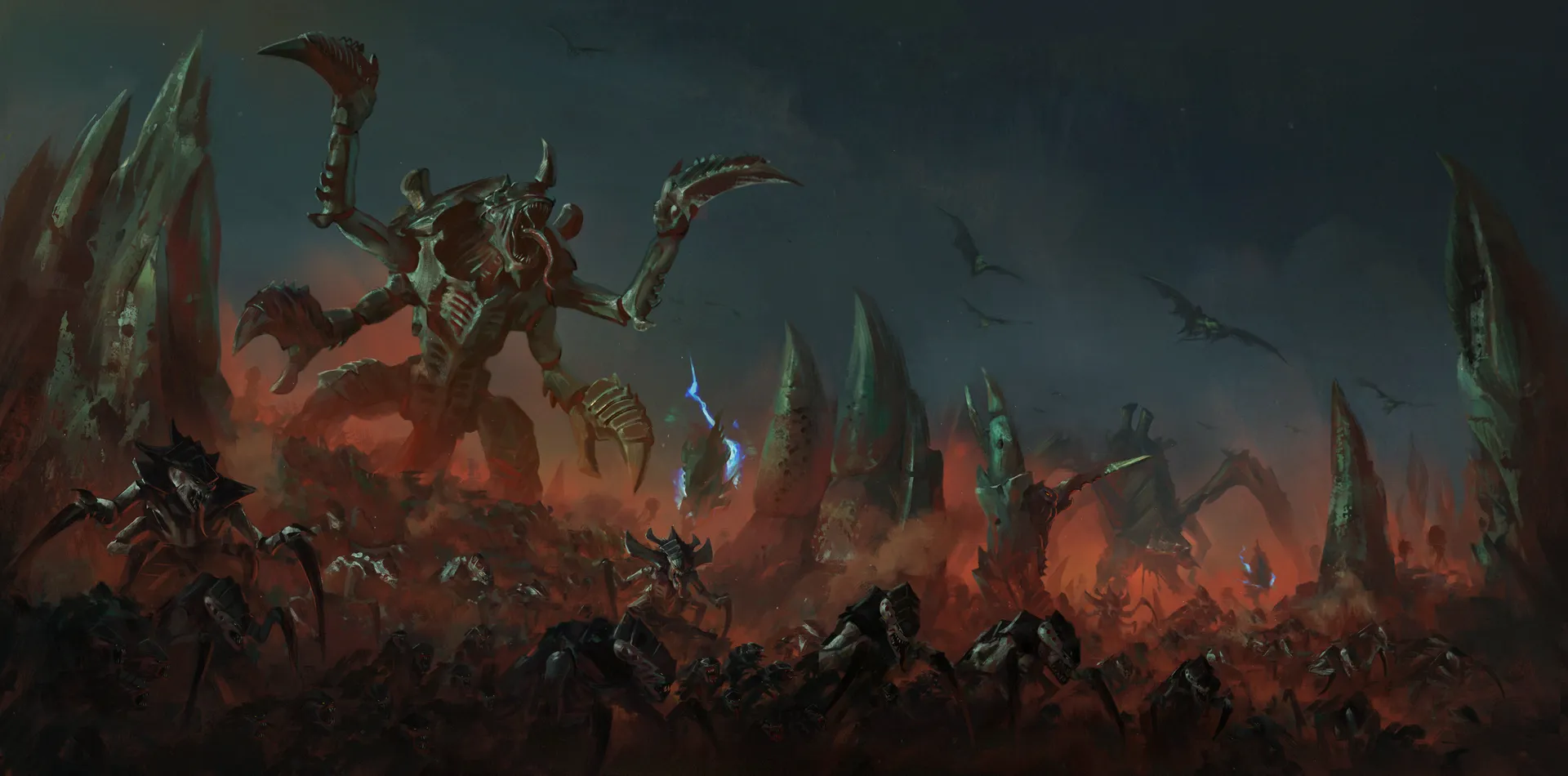
Tyranids: Warhammer 40K Lore Guide
The complete lore of the Tyranids — the Great Devourer, the Hive Mind, the Shadow in the Warp, the great Hive Fleets, Genestealer Cults, and the hunger that crossed the void between galaxies.
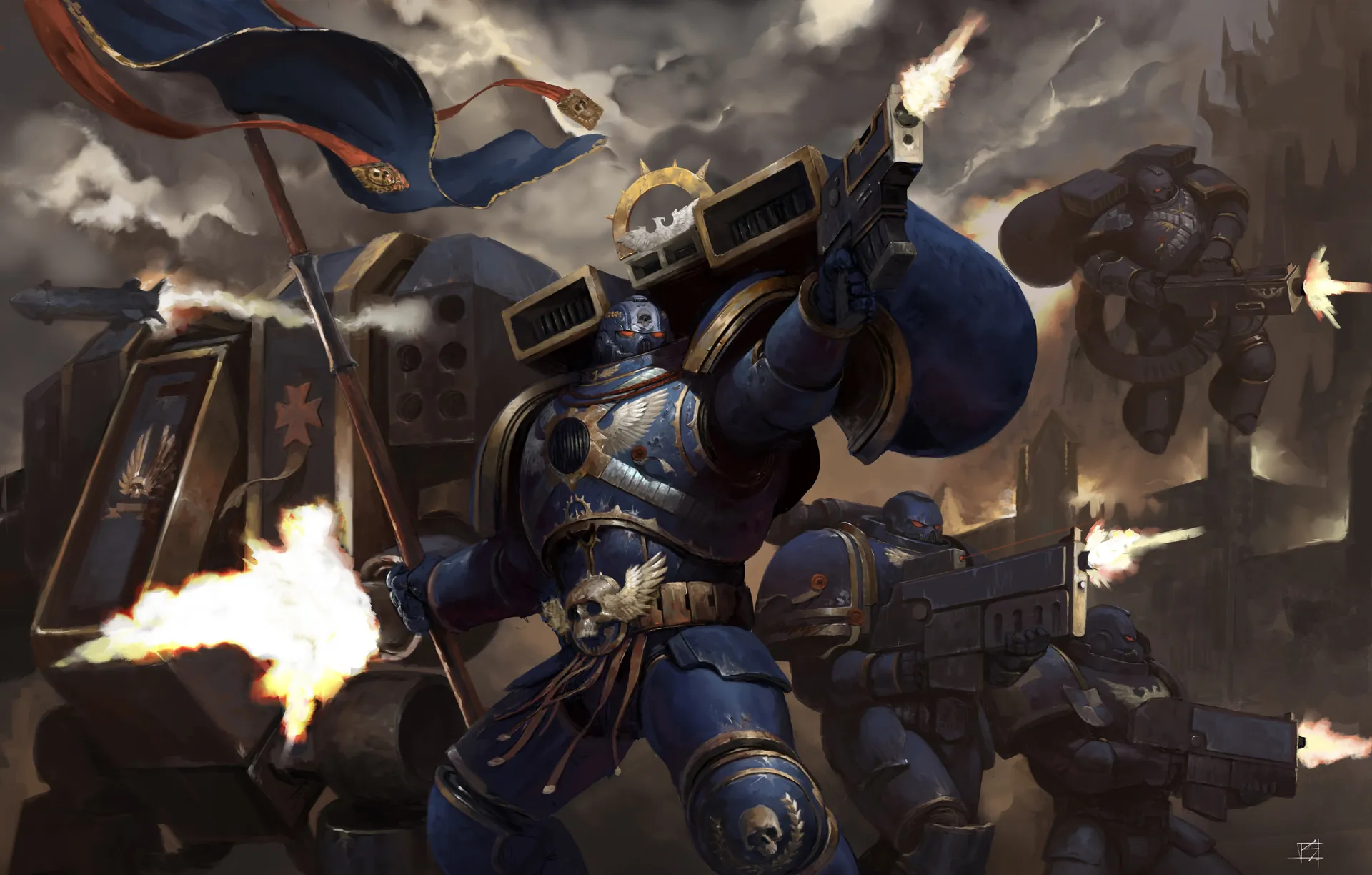
Space Marines (Adeptus Astartes): Warhammer 40K Lore Guide
The complete lore of the Space Marines — the Primarchs, gene-seed, the Horus Heresy, the Codex Astartes and the Chapters, the Primaris and Guilliman’s return, and the cost of the Angels of Death.
Start building your world today
A linked wiki, a timeline and a live DM screen — free, in your browser, no account needed.