Lorgar: Warhammer 40K Lore Guide
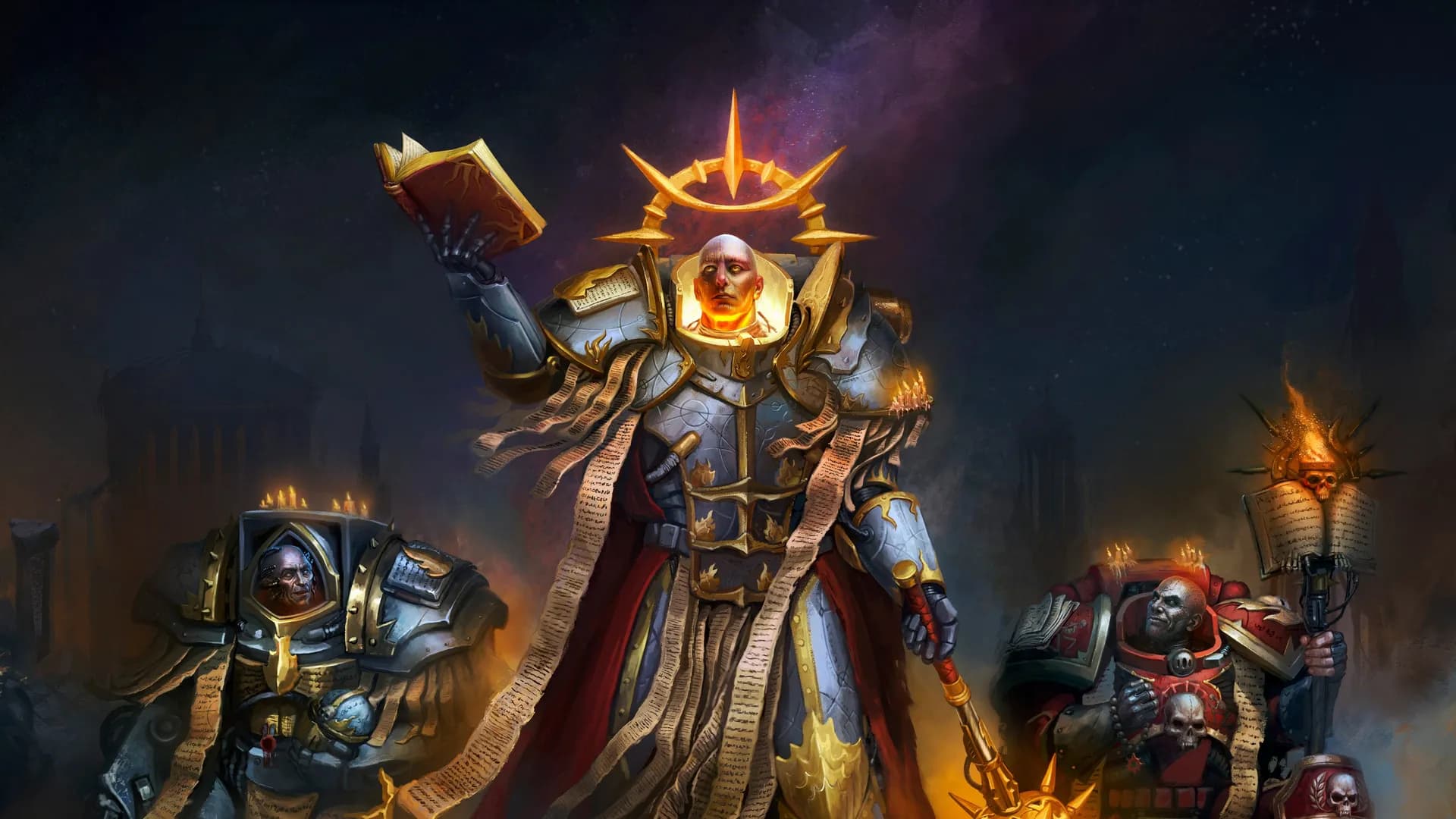
Every fall in the Horus Heresy has a trigger, but Lorgar's has a first cause. Before Horus was wounded on Davin, before a single Legion turned its guns on another, Lorgar Aurelian had already decided that his father was a liar and that the true gods lived in the Warp. He was the first Primarch to embrace Chaos, the first to spread its worship, and the patient author of the conspiracy that turned half the Legions against the Emperor. He was also, by most accounts, the gentlest of the Emperor's sons.
As Primarch of the Word Bearers, the first Traitor Legion, Lorgar is the reason the galaxy burned. This guide looks at the man rather than his Legion: the prophet of Colchis, the son humiliated at Monarchia, the pilgrim who went looking for gods and found them, his role in the Heresy and the Shadow Crusade, and the quiet, withdrawn Daemon Prince he has become in the 42nd Millennium.
Lorgar at a Glance
| Aspect | Detail |
|---|---|
| Full Name and Titles | Lorgar Aurelian, the Urizen, the Bearer of the Word |
| Primarch Number | XVII |
| Legion | The Word Bearers (formerly the Imperial Heralds) |
| Allegiance | Traitor; Chaos Undivided, the whole pantheon worshipped as one |
| Homeworld | Colchis, a theocratic desert world |
| Foster Father | Kor Phaeron, priest of the Covenant and later the Legion's Master of Faith |
| Defining Act | Turning to Chaos decades before the Heresy and seeding its conspiracy |
| Status in M42 | Daemon Prince of Chaos, withdrawn from the Long War |
| Great Enemy | Roboute Guilliman and the Ultramarines |
Origin: The Prophet of Colchis
Like all of the Primarchs, Lorgar was lost to the Warp as an infant and fell on a distant human world. Colchis was a harsh desert planet ruled by the Covenant, an ancient and brutal priesthood. The child was taken in by Kor Phaeron, one of the Covenant's priests, a bitter and ambitious man who recognized at once that the golden boy could be a weapon.
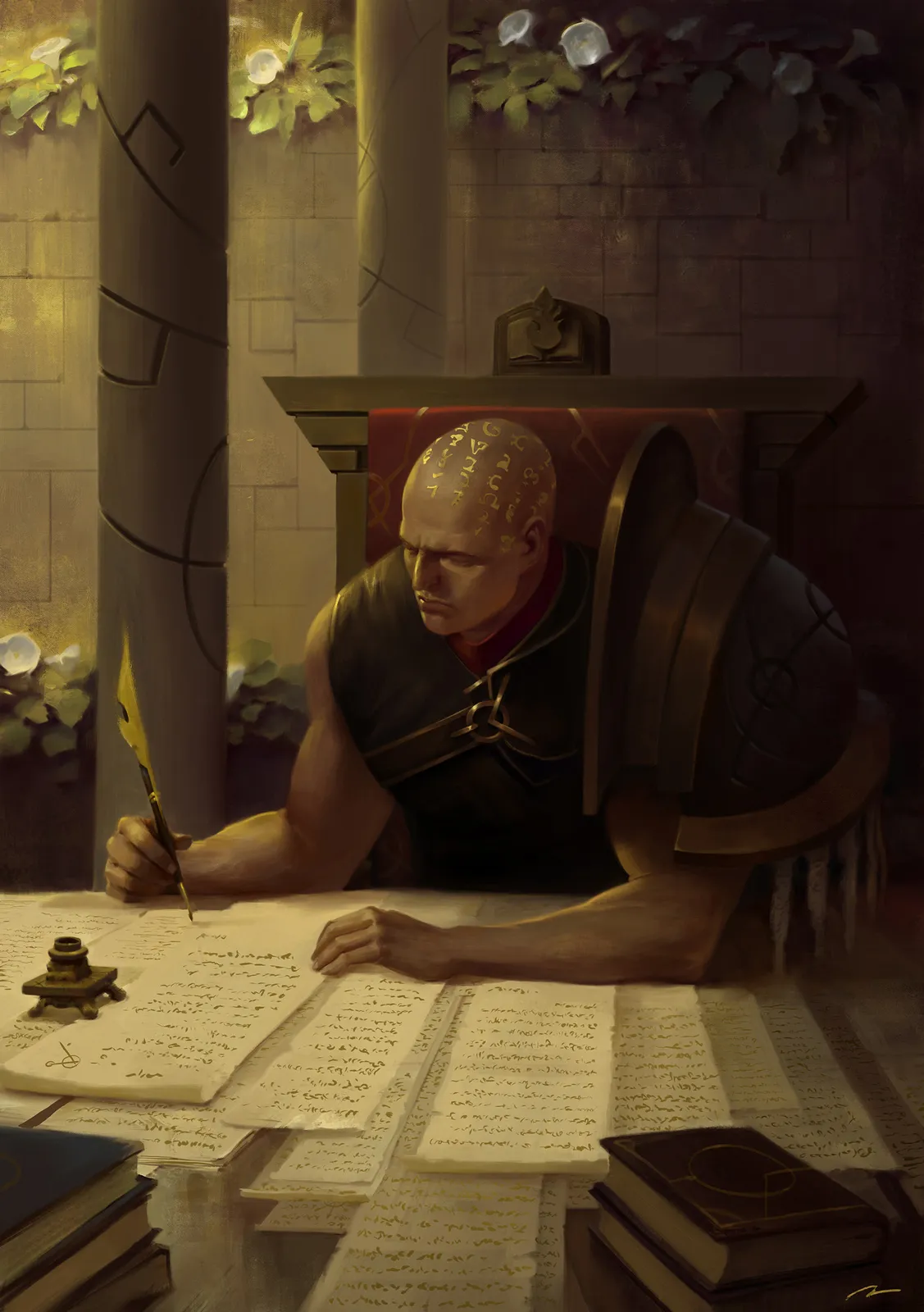
Lorgar grew into a scholar, an orator and a mystic. He studied the old faiths of Colchis, wrote scripture of his own and was tormented by visions of a shining figure who would come from the stars. Black Library's The First Heretic by Aaron Dembski-Bowden, the definitive novel about him, presents him as sensitive and searching, prone to doubt, and far more comfortable with a quill than a weapon. Encouraged by Kor Phaeron, he preached against the Covenant's corruption, raised a holy war and overthrew it, uniting Colchis under a new faith with himself as its prophet.
The Golden God Arrives
When the Emperor landed on Colchis, Lorgar believed his visions had come true. He knelt before his father as before a god, took command of the XVII Legion, then called the Imperial Heralds, and renamed it the Word Bearers. Under him the Great Crusade became a crusade in the religious sense. Every conquered world was converted, cathedrals rose in the Emperor's name, and Lorgar's own writings on his father's divinity spread throughout the Legion.
Defining Deeds: From Monarchia to the Eye
The Humiliation of Monarchia
The Emperor did not want to be worshipped. The Imperial Truth was a doctrine of reason that rejected all gods, and the Word Bearers' slow, devotional pace left them far behind the other Legions. The rebuke, when it came, was designed to be unforgettable. On the world of Khur stood Monarchia, the Perfect City, raised by Lorgar in his father's honor. The Emperor ordered the Ultramarines to raze it, then made the entire Word Bearers Legion kneel in its ashes while he condemned their faith. Lorgar was shamed in front of his sons and in front of Roboute Guilliman, the model of everything the Emperor wanted a Primarch to be.
The Pilgrimage
Lorgar's need to worship survived Monarchia; it only lost its object. Pushed by Kor Phaeron and the Legion's First Chaplain, Erebus, he went searching for gods who would accept devotion. In The First Heretic, that search leads a Word Bearers expedition into the Eye of Terror, where Lorgar is shown the true nature of the Warp and the powers dwelling there, along with a vision of what humanity's future would hold under his father. He returned convinced that the Emperor had hidden the truth of the universe from mankind, and that the gods of the Warp were real and deserving of faith.
From that point Lorgar became the hidden architect of the Heresy. For decades the Word Bearers spread warrior lodges through the other Legions and planted the new faith in their own ranks. Erebus orchestrated the fall of Horus on Davin, and the Warmaster's corruption, as told across the early Horus Heresy novels, was the culmination of a plan Lorgar had set in motion long before. For the Warmaster's side of that story, see our Horus Lupercal guide.
Lorgar in the Horus Heresy
When the war broke into the open, Lorgar's Legion was everywhere it hurt most. At the Drop Site Massacre on Isstvan V, the Word Bearers were among the second-wave Legions that turned on the loyalists. Lorgar himself, never the greatest warrior among his brothers, faced Corvus Corax in the chaos of the battle and came close to death before Konrad Curze intervened, a scene Black Library returns to in The First Heretic.
The Word Bearers' greatest treachery was Calth, where Kor Phaeron led a surprise attack on the mustering Ultramarines, a betrayal told in Dan Abnett's Know No Fear. Lorgar then joined Angron of the World Eaters in the Shadow Crusade, a campaign of devastation across Ultramar behind the cover of the Ruinstorm. In Dembski-Bowden's Betrayer, Lorgar confronts Guilliman at Armatura and is nearly killed by his brother's bare hands, then later performs the ritual on Nuceria that elevates Angron to daemonhood. The scale of his ambition there, remaking a brother into a god's champion, shows how far the gentle prophet of Colchis had come. Our Horus Heresy guide covers the full war.
Personality and Relationships
Lorgar is the most human of the traitors in one specific sense: he needed something to believe in, and he could not survive without it. He is intelligent, eloquent and capable of real kindness, and he genuinely believes he is saving humanity from a lie. He is also proud, wounded and capable of monstrous cruelty in the service of his faith. Of all the Primarchs, he is the one who most sincerely worships the Chaos Gods rather than using them.
- The Emperor — the god who rejected his worship. Lorgar's love turned into a conviction that his father was the greatest liar in the galaxy.
- Kor Phaeron — foster father, mentor and tormentor. A fanatic who pushed Lorgar toward Chaos and still holds power in the Legion today.
- Erebus — the First Chaplain who carried out Lorgar's plan, corrupted Horus and remains one of the most hated names in the Imperium.
- Roboute Guilliman — the brother whose Legion burned Monarchia and who nearly killed him at Armatura. The Word Bearers' hatred of the Ultramarines is personal.
- Angron — the brother Lorgar pitied, used and eventually helped raise into a Daemon Primarch of Khorne.
- Horus — the Warmaster Lorgar chose as the figurehead of his crusade, then watched lead it in his own name.
Fate and Current Status
After the Siege of Terra and the death of Horus, the Word Bearers withdrew into the Eye of Terror. Lorgar was raised to daemonhood as a Daemon Prince, and the 40K lore describes him as having largely withdrawn from the Long War, devoting himself to contemplation of the gods while his Dark Apostles carry the Word across the galaxy. The Legion's daemon world, Sicarus, is often named as its seat in the Eye. Compared with Magnus or Mortarion, his activity after the Heresy is thinly documented, and the lore leaves much of it deliberately vague.
In the current 2026 setting, Lorgar remains a Daemon Prince, absent from the front lines. Unlike Magnus, Mortarion, Angron and Fulgrim, he has not returned to lead his Legion in the Era Indomitus, and Games Workshop has not given him a confirmed modern campaign role. The Word Bearers, meanwhile, have never been stronger: the Great Rift left countless worlds cut off from the Emperor's light, exactly the kind of desperate congregations the Dark Apostles were made to convert. There is a bitter irony in the setting too: the Imperium now worships the Emperor as a god, just as Lorgar once preached, while Lorgar himself kneels to the gods of Chaos. For the powers he serves, read our guide to the four Chaos Gods.
Lorgar on the Tabletop
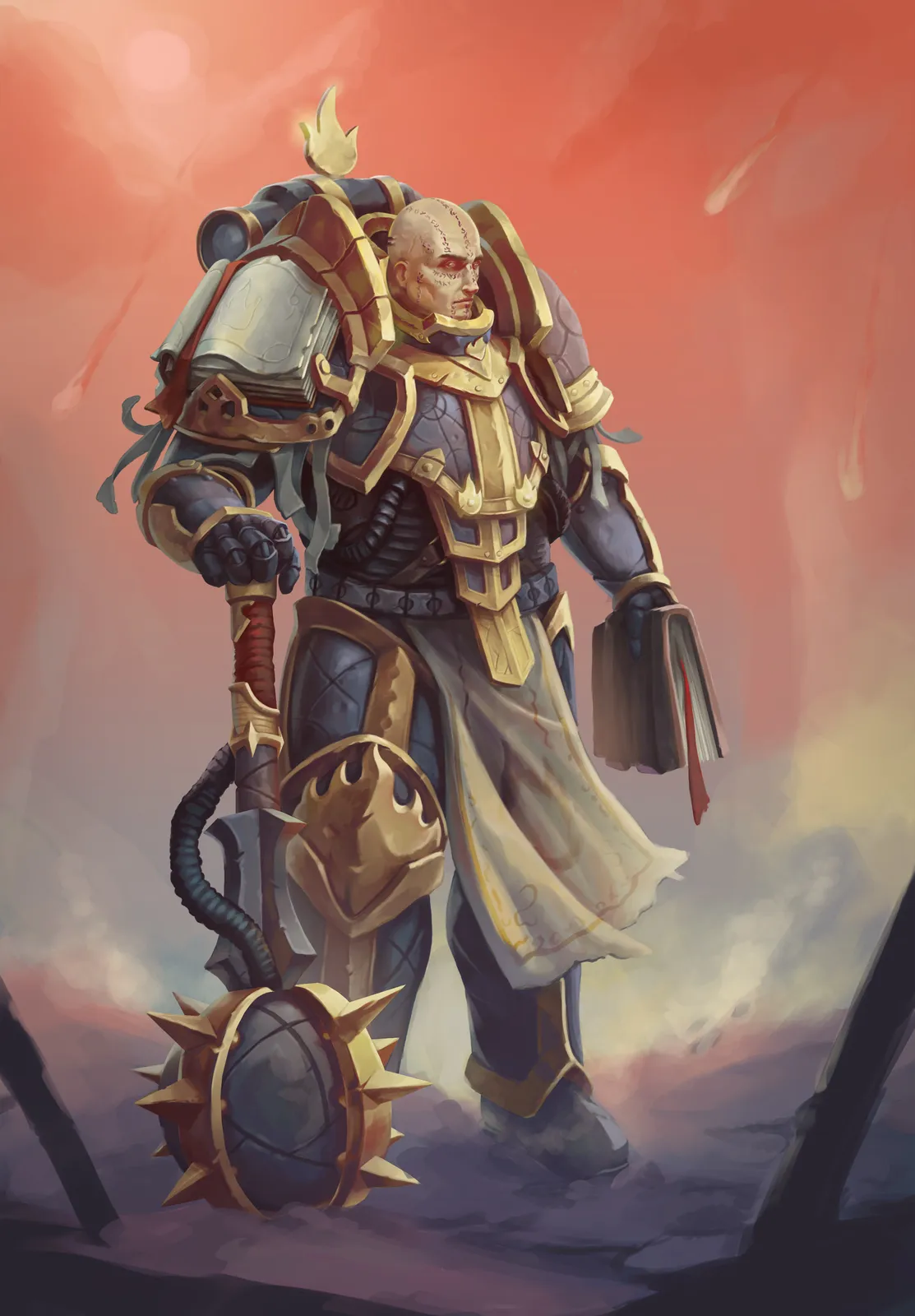
Lorgar does not currently have a model or rules for Warhammer 40,000, a deliberate reflection of his withdrawn status. He does exist as a Primarch for Horus Heresy-era play, where his model shows him in ornate, scripture-covered armor with his crozius, Illuminarum. On the 40K table, his spirit lives on through the Word Bearers' Dark Apostles, the warrior-priests who lead every Host with sermons, sacrifices and summoned daemons. If you want to field Lorgar's faith rather than Lorgar himself, a Dark Apostle at the head of cultists, Possessed and Chaos Space Marines is the way to do it. To compare the Chaos Space Marines with every other army, see the Warhammer 40K factions guide.
Lorgar FAQ
Why did Lorgar betray the Emperor?
Because the Emperor rejected his worship. After the Emperor destroyed Monarchia and publicly condemned the Word Bearers' faith, Lorgar went looking for gods who would accept devotion. He found the Chaos powers and became convinced that his father had hidden the truth about the universe from humanity.
Was Lorgar the real cause of the Horus Heresy?
In large part, yes. In the Horus Heresy novels, Lorgar turned to Chaos decades before the war, and his agents, especially Erebus, engineered Horus's corruption. Horus led the rebellion, but the Word Bearers planned it.
Is Lorgar dead?
No. Lorgar survived the Heresy and was raised to daemonhood as a Daemon Prince. In the current setting he has withdrawn from active warfare to contemplate the Chaos Gods, and he has not returned to lead his Legion in the Era Indomitus.
Which Chaos god does Lorgar worship?
All of them. Lorgar and the Word Bearers revere Chaos Undivided, the four great powers worshipped together as a single pantheon, rather than dedicating themselves to Khorne, Nurgle, Tzeentch or Slaanesh alone.
Is Lorgar a psyker?
Yes, though his powers were long overshadowed by his role as a preacher. The Horus Heresy novels show his psychic strength growing as he embraced the Warp, and as a Daemon Prince he is a being of the Immaterium itself.
Continue Exploring
- The Word Bearers — Lorgar's Legion of Dark Apostles, from Colchis to the Great Rift.
- The Primarchs — all twenty sons of the Emperor, loyal, traitor and lost.
- Angron — the brother Lorgar raised into a Daemon Primarch of Khorne.
- Roboute Guilliman — the Primarch of Ultramar and Lorgar's oldest enemy.
- Chaos Space Marines — the Traitor Legions and the Long War.
- Warhammer 40K Factions: Complete Guide to All 29 Armies — every army, its lore and how it plays.
Browse every guide in the Warhammer 40K lore hub, or name your own Dark Apostle with the Chaos Space Marine name generator. To chronicle a crusade of faith across a campaign, Anima is free and runs in your browser with no account: a wiki, a timeline, and campaigns with a live DM screen.
Keep reading
More from this topic
Necrons: Warhammer 40K Lore Guide
The complete lore of the Necrons — the doomed Necrontyr, the C’tan star-gods, biotransference, the War in Heaven, and the deathless dynasties now waking to reclaim the galaxy.
Tyranids: Warhammer 40K Lore Guide
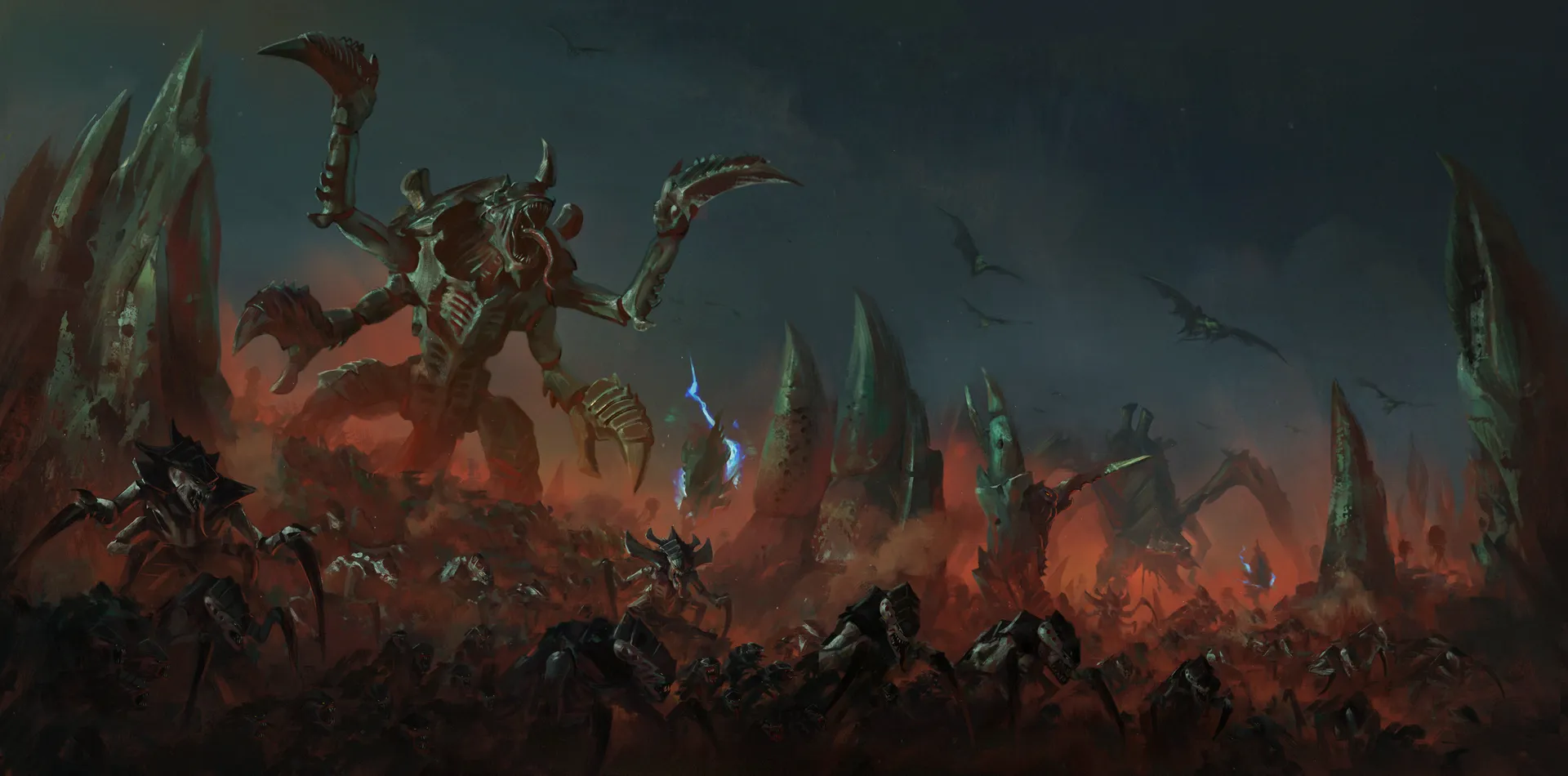
The complete lore of the Tyranids — the Great Devourer, the Hive Mind, the Shadow in the Warp, the great Hive Fleets, Genestealer Cults, and the hunger that crossed the void between galaxies.
Space Marines (Adeptus Astartes): Warhammer 40K Lore Guide
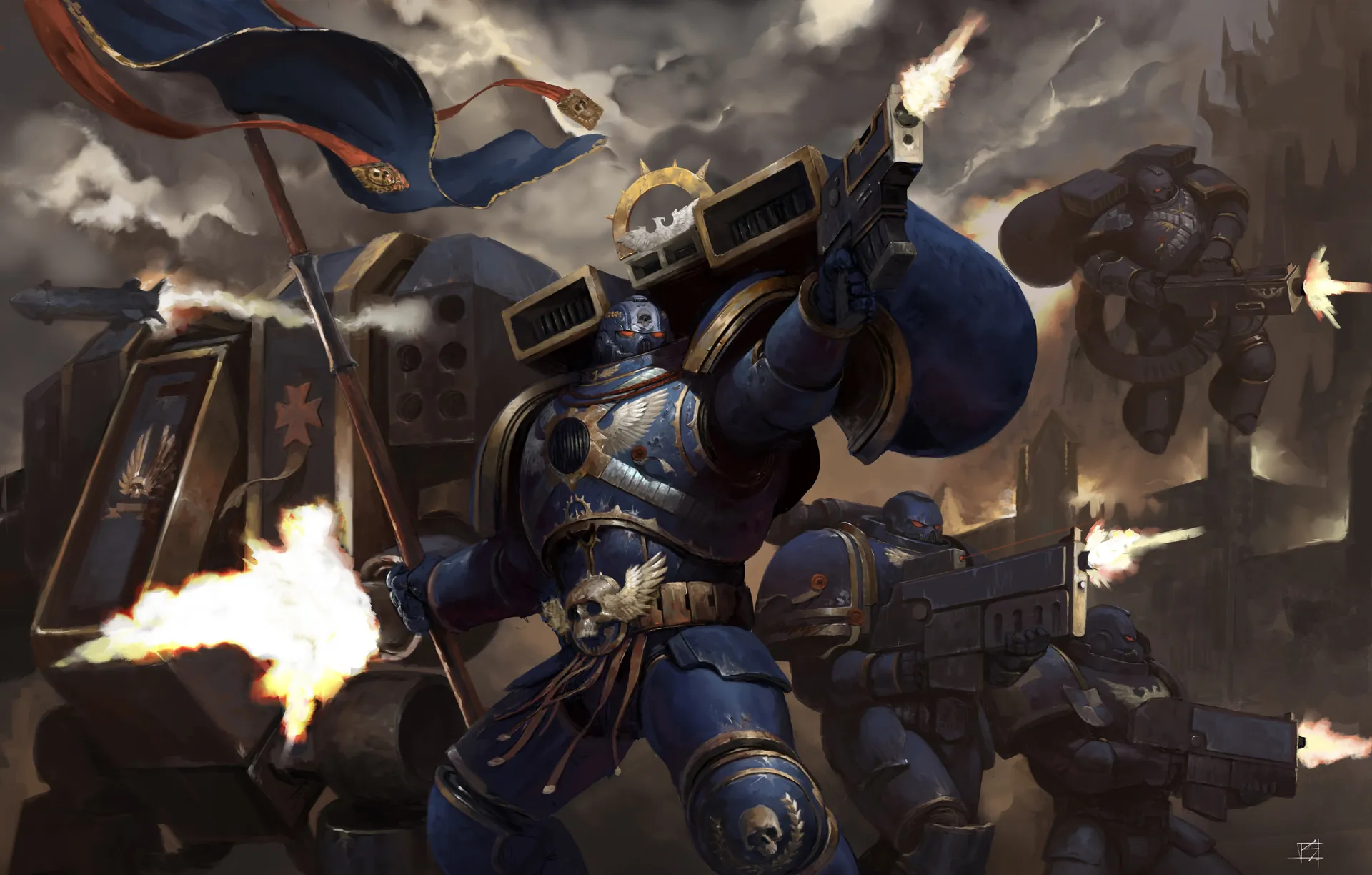
The complete lore of the Space Marines — the Primarchs, gene-seed, the Horus Heresy, the Codex Astartes and the Chapters, the Primaris and Guilliman’s return, and the cost of the Angels of Death.
Start building your world today
A linked wiki, a timeline and a live DM screen — free, in your browser, no account needed.