Corvus Corax: Warhammer 40K Lore Guide
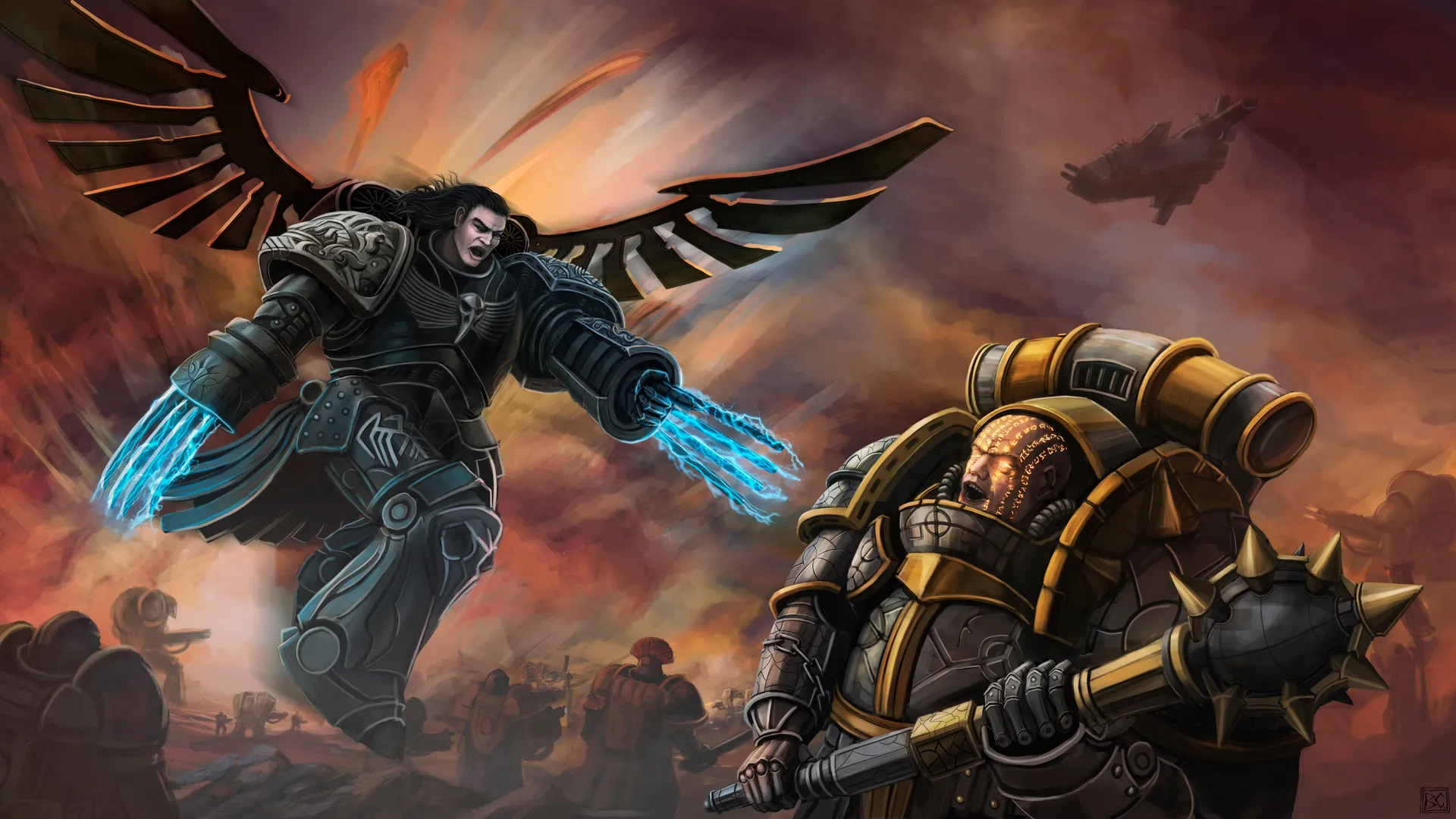
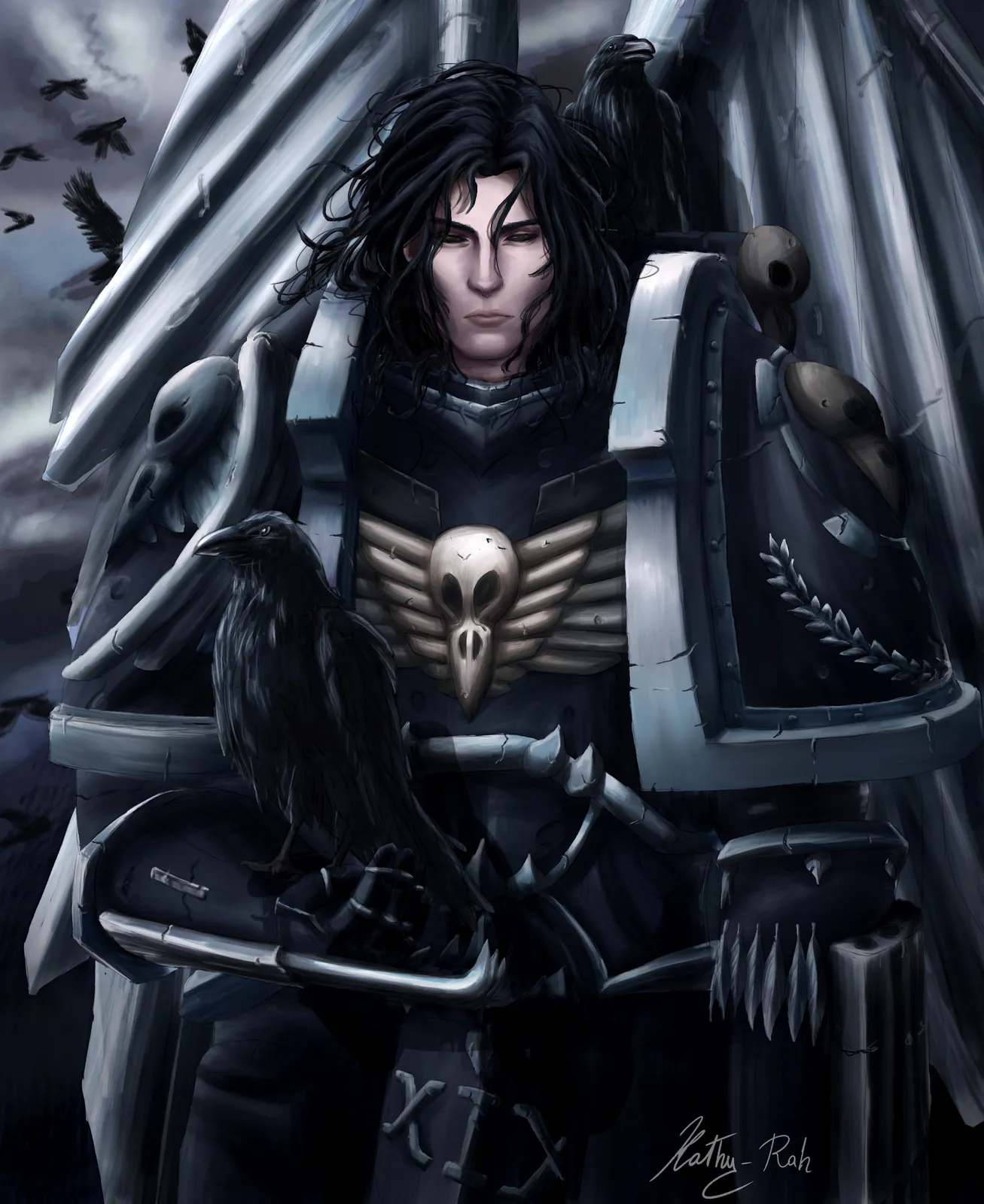
Corvus Corax is the Primarch who learned war in a prison. Pale, gaunt and black-haired, able to slip out of sight in the middle of a crowded battlefield, he grew up among the convicts of a mining moon and freed them before the Emperor ever found him. That origin never left him. Of all the sons of the Emperor, Corax is the one most defined by a hatred of tyranny, and the one whose story ends with the most haunting single word in the setting: "Nevermore."
He is the Primarch of the Raven Guard, the XIX Legion, and one of the nine loyal sons who stood with the Emperor in the Horus Heresy. His Legion was nearly wiped out on the black sands of Isstvan V, his attempt to rebuild it produced monsters, and in the end he walked into the Eye of Terror and never came back. This guide goes deeper than the Chapter page: who Corax was, what he did, the brothers who shaped him, and where the lore leaves him in the current setting.
Corvus Corax at a Glance
| Aspect | Detail |
|---|---|
| Titles | The Raven Lord, the Deliverer, the Liberator |
| Allegiance | Loyalist |
| Legion | XIX Legion, the Raven Guard |
| Homeworld | Lycaeus, a prison moon of the forge world Kiavahr, renamed Deliverance after his revolt |
| Signature wargear | Paired lightning claws and a winged flight pack |
| Status in M42 | Missing: he departed into the Eye of Terror after the Heresy and has not returned |
| Key Black Library novels | Gav Thorpe's Deliverance Lost; Aaron Dembski-Bowden's The First Heretic (Isstvan V) |
Origin: The Child of Lycaeus
When the infant Primarchs were scattered across the galaxy, the one who would become Corax came down on Lycaeus, a barren moon that the tech-guilds of Kiavahr used as a prison and a mine. The inmates who found him raised him in the dark galleries of the moon. He grew quickly, as all Primarchs did, but he also grew strange: pale-skinned, silent, with an uncanny gift for passing unnoticed. Guards looked straight at him and did not see him.
Corax spent his youth learning the prison: its patrol routes, its supply chains, its weak points, and the grievances of the people trapped inside it. When he was ready, he organized the prisoners into a hidden army and led a revolt built on careful timing, sabotage and decapitating strikes against the guards' command. The uprising took the moon, and then Corax carried the fight down to Kiavahr itself and broke the power of the tech-guilds. The liberated moon was renamed Deliverance.
When the Emperor arrived during the Great Crusade, He found a son who had already freed a people from oppression on his own terms. Corax accepted command of the XIX Legion, and his homeworld became its recruiting ground. The way he had won his first war, by watching, waiting and striking once at the right place, became the way his Legion would fight for the rest of its existence. Each of the Primarchs brought something of his homeworld to his Legion; with Corax, it was the instincts of an escaped prisoner.
Defining Deeds and Campaigns
The Great Crusade
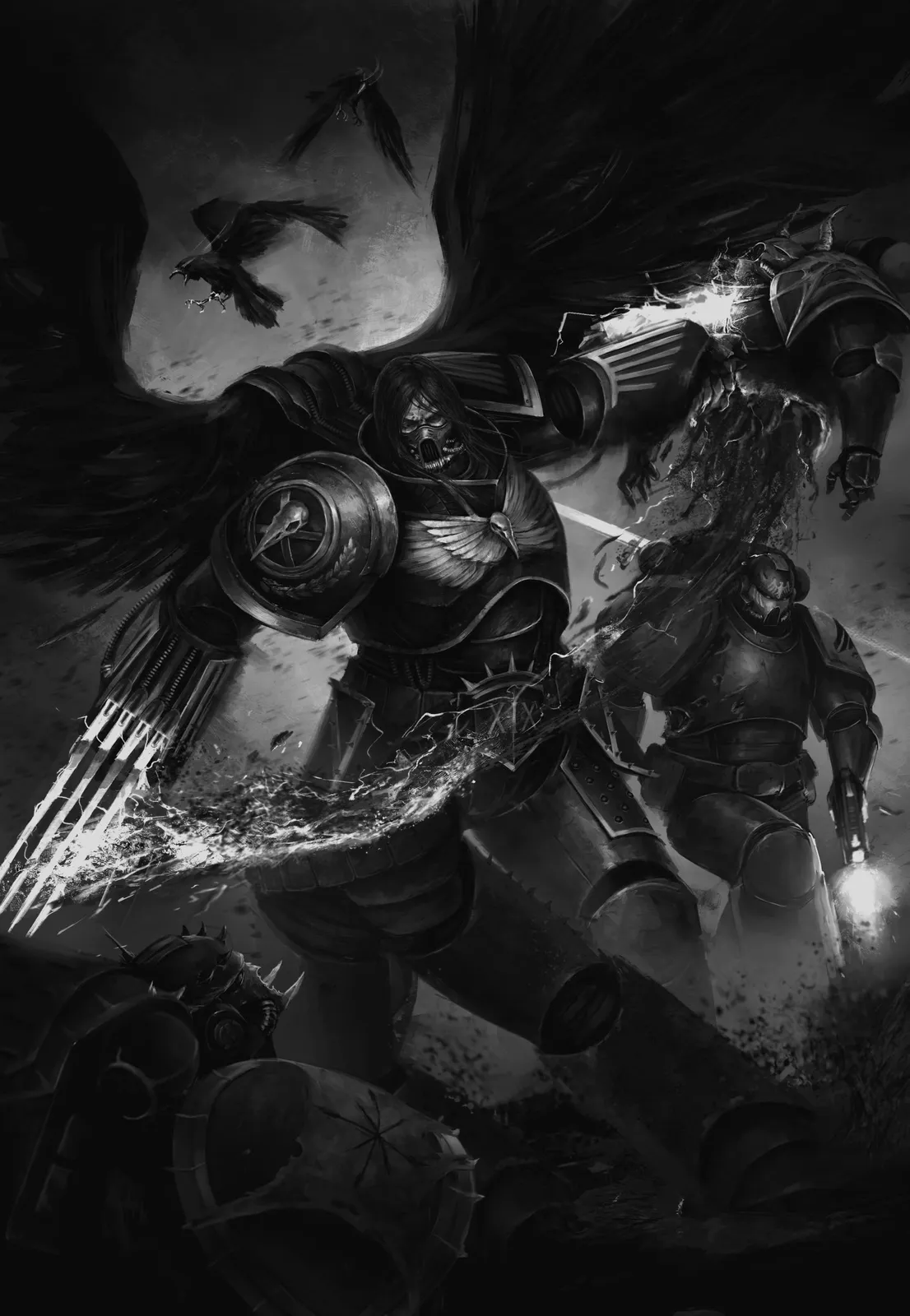
Under Corax, the Raven Guard became the Crusade's specialists in surgical warfare. Where other Legions laid siege or overwhelmed defenses head-on, the XIX located the enemy's leadership, struck it in a single coordinated blow and let the resistance collapse. Corax himself led from the front, dropping from the sky on wings of plasteel with his lightning claws drawn. Accounts consistently describe his ability to vanish from sight, a talent that the novels treat as something close to a supernatural gift rather than mere skill.
Isstvan V and the Duel with Lorgar
When Horus rebelled, the Raven Guard were among the seven Legions sent to Isstvan V to crush the rebellion. Corax landed in the first wave with Vulkan and Ferrus Manus. Then the four Legions of the second wave revealed that they had also turned traitor and opened fire on the loyalists' backs. The Dropsite Massacre, the opening disaster of the Horus Heresy, shattered all three loyal Legions.
Corax's part in the battle is one of its most famous scenes. In Aaron Dembski-Bowden's The First Heretic, he fights Lorgar of the Word Bearers and very nearly kills him, only for Konrad Curze to intervene. Corax survived the massacre, gravely wounded, and escaped the planet with only a remnant of his Legion.
Deliverance Lost and the Raptors
What came next is told mainly in Gav Thorpe's Deliverance Lost. With his Legion reduced to a few thousand warriors, Corax returned to Deliverance and searched for a way to rebuild it fast enough to matter in the war. He obtained gene-craft secrets from Terra and attempted to accelerate the creation of new legionaries. The experiment went badly wrong. Many of the new warriors developed severe mutations, becoming hunched, bird-like creatures that the Legion called the Raptors.
The same novel shows the Alpha Legion infiltrating Deliverance and sabotaging Corax's work from within, turning the Raven Guard's home into a battlefield of spies and counter-spies. For a Primarch who had built his life on seeing what others missed, being outplayed in his own house was a bitter lesson.
Older lore, from the original Index Astartes articles, placed the Raptor experiment after the Heresy rather than during it. Black Library's novels moved it into the war itself. Either way, the result is the same: Corax carried the guilt of those mutations for the rest of his time in the Imperium.
The Long Guerrilla War
For the rest of the Heresy, Corax waged the kind of war he understood best: raids, sabotage and hunts for traitor commanders, often far from the main fronts. Gav Thorpe's later Raven Guard fiction follows this campaign, and it fits his character perfectly. Corax never had the numbers to win a stand-up battle after Isstvan V, so he made the traitors fear the dark instead.
Personality and Relationships
Corax is reserved, introspective and deeply suspicious of power. He distrusts grand gestures, ceremony and anyone who rules by fear, which made him a natural ally of the downtrodden and an awkward presence among his more imperious brothers. He is also hard on himself. The novels portray a Primarch who remembers every warrior he lost and every mistake he made, and who struggles to forgive himself for either.
- Konrad Curze. The Night Haunter is Corax's dark mirror. Both were pale, black-haired children of brutal worlds, both fight from the shadows. But where Corax used darkness to free the oppressed, Curze used it to terrorize. The comparison runs through Raven Guard and Night Lords fiction alike.
- Lorgar. The Word Bearer who started the rot that became the Heresy, and the brother Corax came closest to killing on the dropsite.
- Alpharius. The Alpha Legion's Primarch, or his twin Omegon, is Corax's great rival in the secret war. Each Legion is a master of deception, and their clashes in the novels are battles of wits as much as of arms. See the Alpharius guide for the other side of that duel.
- Vulkan and Ferrus Manus. His fellow victims of Isstvan V. The three Legions that survived the massacre, the Raven Guard, the Salamanders and the Iron Hands, remain bound by that shared betrayal.
Fate and Current Status
The Heresy ended with Horus dead and the Emperor on the Golden Throne, but Corax did not find peace in victory. The older accounts tell that he withdrew into the Ravenspire, the Legion's fortress on Deliverance, and shut himself away. When he emerged, it was to leave. He departed for the Eye of Terror to hunt the traitors who had fled there, leaving behind a single word for his sons: "Nevermore."
He has not been seen since. In the current setting, after the opening of the Great Rift, Roboute Guilliman and Lion El'Jonson have returned, but Corax has not. The lore offers no confirmed account of his fate. The Raven Guard believe he still hunts in the warp, and that belief, along with the vow implied by his last word, keeps him as an open question rather than a lost cause.
Corax's legacy lives on in the Raven Guard and their successors, and in a visible gene-seed quirk: many of his sons gradually grow pale, with black hair and dark eyes, until they come to resemble their missing father.
Corax on the Tabletop
Corvus Corax exists as a Forge World resin model for Warhammer: The Horus Heresy, shown mid-leap with his great mechanical wings spread and his lightning claws ready, and he has also been released as a JoyToy action figure. In Warhammer 40,000, where he is still missing, Raven Guard armies are led by heroes such as Chapter Master Kayvaan Shrike.
On the table, Corax's identity is exactly what the lore suggests: a fast, airborne close-combat Primarch who arrives where the enemy least expects him and goes straight for its leaders. Armies built around him lean on stealth, infiltration and jump-pack assault rather than lines of heavy weapons. For painters, he is a study in black armor, pale skin and white raven heraldry, and the wings make him one of the most dramatic Primarch models to build.
Corvus Corax FAQ
Is Corvus Corax alive in Warhammer 40K?
His fate is unknown. After the Horus Heresy he departed into the Eye of Terror and has not been seen since. He is not confirmed dead, and he has not returned in the current setting.
What does "Nevermore" mean for Corax?
It is the single word he left behind when he departed for the Eye of Terror. The lore never fully explains it, but it is usually read as his vow that the betrayal and the mistakes of the Heresy would never be repeated, and as a farewell to the Legion he felt he had failed.
Who did Corax fight at Isstvan V?
In Black Library's The First Heretic, Corax fights Lorgar during the Dropsite Massacre and nearly kills him before Konrad Curze intervenes. Corax survived, badly wounded, and escaped with a remnant of his Legion.
What were Corax's Raptors?
They were mutated legionaries created when Corax tried to rebuild his Legion quickly using gene-craft secrets from Terra. The experiment produced twisted, bird-like warriors. They are separate from the loyal Raptors Chapter of the 41st millennium, a Raven Guard successor.
Is Corax a psyker?
The lore never labels him one outright. His ability to pass unseen is described as uncanny and almost supernatural, and the novels lean into its mystery, but it is not presented as conventional psychic power.
Will Corax return?
Games Workshop has not announced his return. With Guilliman and the Lion back in the setting, fans often speculate about which missing Primarch might be next, but any answer today is speculation.
Continue Exploring
- Raven Guard — the Chapter Corax left behind, its culture, heroes and successors.
- The Primarchs — all twenty sons of the Emperor, loyal, traitor and lost.
- Vulkan — the undying Salamander who survived the same massacre.
- Ferrus Manus — the Gorgon, who did not leave Isstvan V alive.
- Night Lords — the Legion of Corax's dark mirror, Konrad Curze.
- Warhammer 40K factions guide — every army, its lore and how it plays.
Browse every guide in the Warhammer 40K lore hub, or name your own Shadow Captain with the Space Marine name generator. To chronicle your own Legion's campaigns, Anima is free and runs in your browser with no account: a wiki, a timeline, and campaigns with a live DM screen.
Keep reading
More from this topic
Necrons: Warhammer 40K Lore Guide
The complete lore of the Necrons — the doomed Necrontyr, the C’tan star-gods, biotransference, the War in Heaven, and the deathless dynasties now waking to reclaim the galaxy.
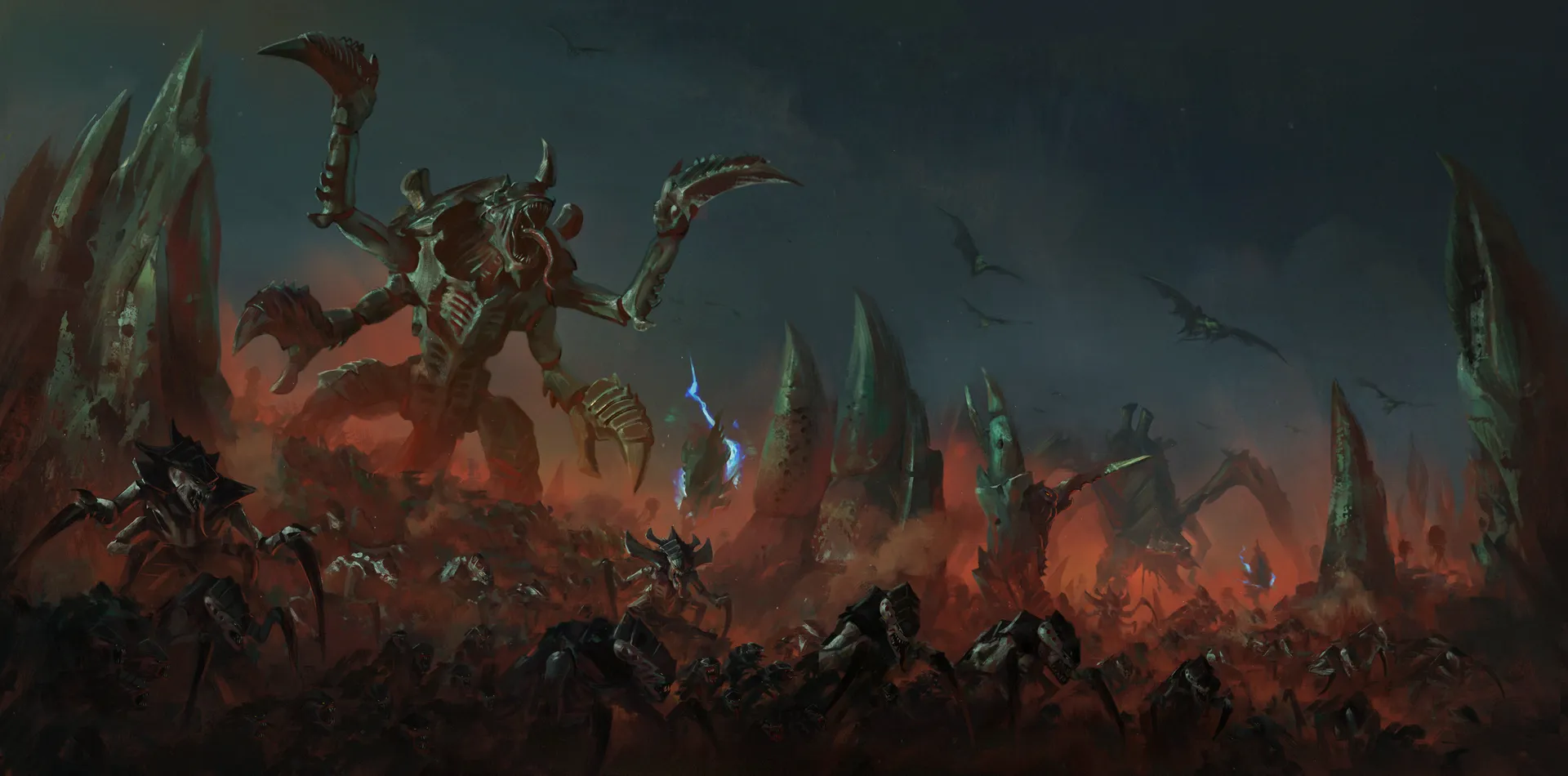
Tyranids: Warhammer 40K Lore Guide
The complete lore of the Tyranids — the Great Devourer, the Hive Mind, the Shadow in the Warp, the great Hive Fleets, Genestealer Cults, and the hunger that crossed the void between galaxies.
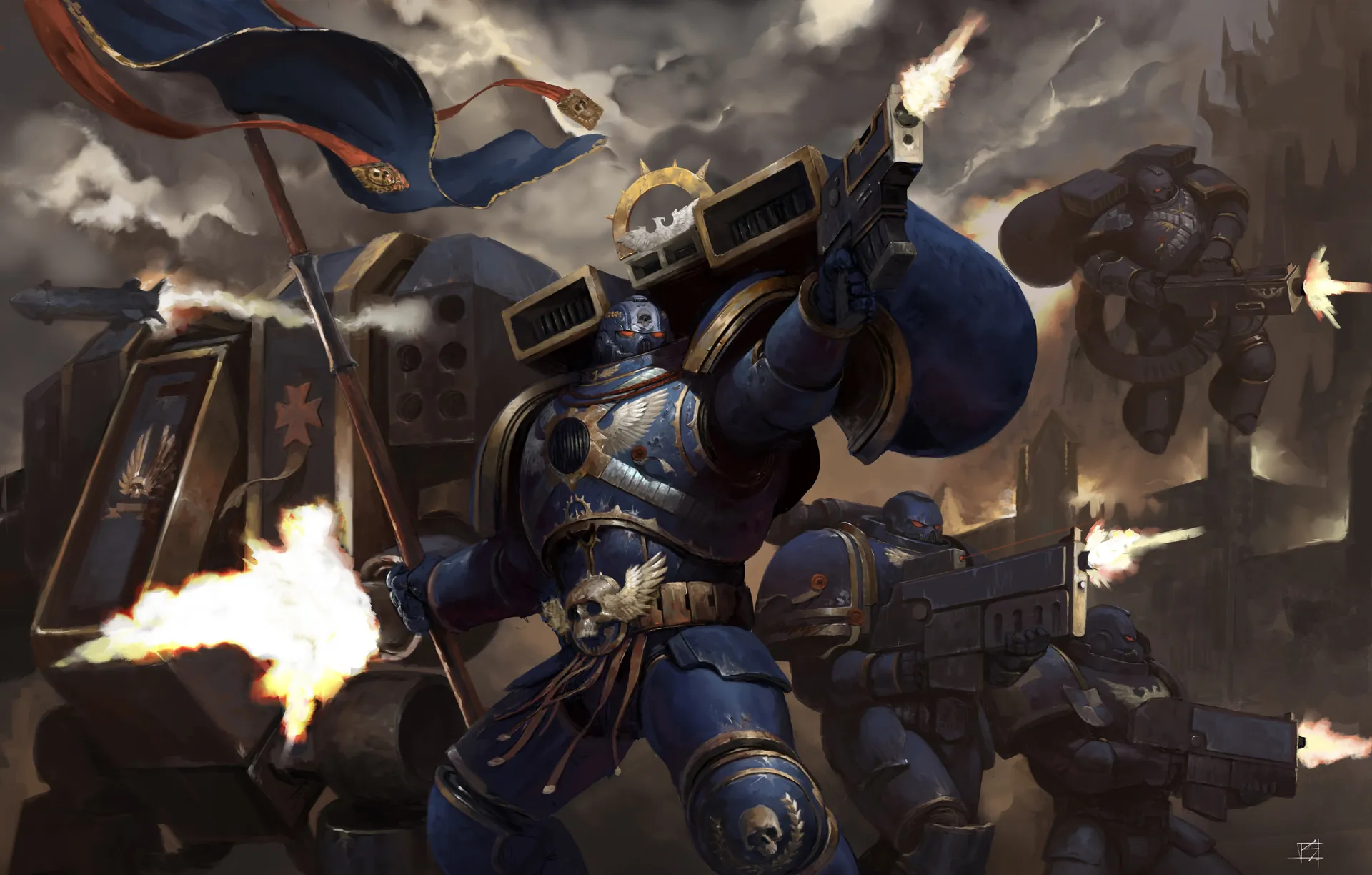
Space Marines (Adeptus Astartes): Warhammer 40K Lore Guide
The complete lore of the Space Marines — the Primarchs, gene-seed, the Horus Heresy, the Codex Astartes and the Chapters, the Primaris and Guilliman’s return, and the cost of the Angels of Death.
Start building your world today
A linked wiki, a timeline and a live DM screen — free, in your browser, no account needed.