Ultramarines: Warhammer 40K Lore Guide
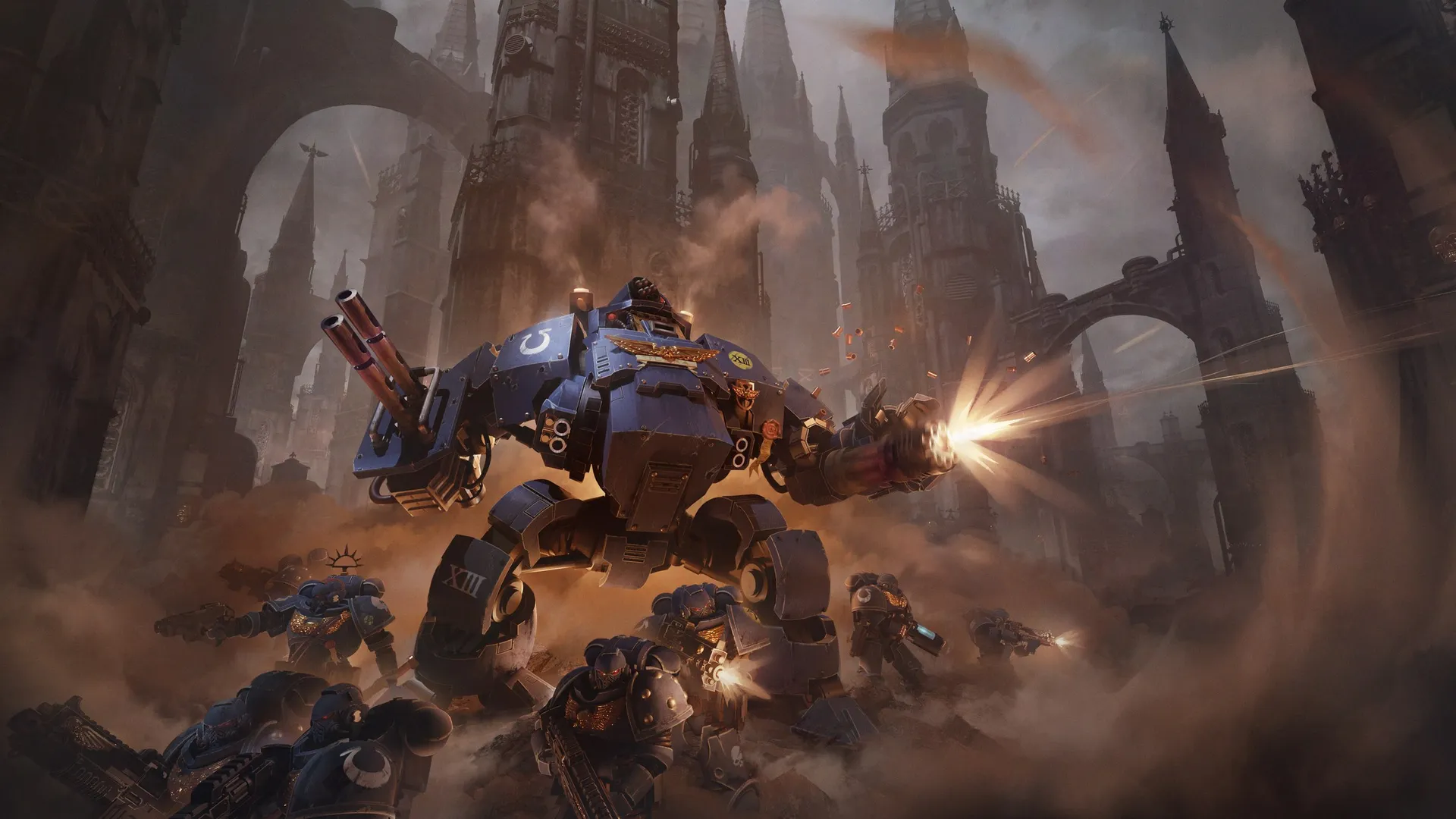
No Chapter shaped the Adeptus Astartes as much as the Ultramarines. Their Primarch wrote the book that every loyal Chapter still follows. Their gene-seed founded more successor Chapters than any other. Their home, the realm of Ultramar, is one of the best-governed corners of a decaying Imperium. And today their father walks among them again, the only loyal Primarch awake in the 41st Millennium and the man who now rules the Imperium in the Emperor's name.
The Ultramarines are the most famous of the First Founding Space Marine Chapters, the direct heirs of the XIII Legion of Roboute Guilliman. This guide goes deeper than the general Space Marines overview: the Primarch's rise on Macragge, the betrayal at Calth, the Codex Astartes and the Second Founding, the Chapter's culture and companies, its great heroes from Marneus Calgar to Cato Sicarius, Guilliman's return and the Indomitus Crusade, and how the army plays on the tabletop.
Ultramarines at a Glance
| Aspect | Detail |
|---|---|
| Founding | First Founding — the XIII Legion |
| Primarch | Roboute Guilliman, Lord Commander of the Imperium and Imperial Regent |
| Homeworld | Macragge, capital of the realm of Ultramar |
| Fortress-Monastery | The Fortress of Hera on Macragge |
| Chapter Master | Marneus Calgar, Lord Macragge |
| Colors | Ultramarine blue armor with gold trim; a white inverted omega (the "Ultima") as their symbol |
| Doctrine | The Codex Astartes, followed to the letter |
| Battle Cry | "Courage and Honour!" |
| Successors | The most numerous gene-line in the Imperium, including the Novamarines, Genesis Chapter, White Consuls and Doom Eagles |
Roboute Guilliman and the Rise of Macragge
Like all the Primarchs, Roboute Guilliman was stolen from the Emperor's gene-laboratories as an infant and cast across the galaxy. His capsule came to rest on Macragge, a rugged world ruled by two consuls. One of them, Konor, found the child and adopted him as his son. The boy grew with startling speed, studied war, law and statecraft, and was leading campaigns against barbarian raiders while still in his youth.
When a rebellion among Macragge's nobility murdered Konor, Guilliman returned from campaign, crushed the rebels and took power as sole consul. Under his rule Macragge flourished, and its neighboring worlds joined it of their own accord. By the time the Emperor arrived during the Great Crusade, Guilliman already governed a small, efficient empire. He took command of the XIII Legion, whose warriors had been grown from his gene-seed, and renamed them after the realm he had built: the Ultramarines.
The Ultramarines became the largest of the Legions during the Great Crusade. They were famous less for spectacular victories than for what came after them. Guilliman's Legion did not simply conquer worlds; it reorganized them, garrisoned them and left behind functioning Imperial societies. The realm of Ultramar grew into a model of order, self-sufficiency and good government — a pattern the Chapter still guards today.
Calth and the Horus Heresy
When Horus rebelled, the Ultramarines were far from Terra. The Warmaster ordered them to muster at Calth, one of Ultramar's worlds, supposedly for a joint campaign with the Word Bearers. It was a trap. The Word Bearers struck without warning, crippling the Ultramarines fleet and burning Calth's surface. The Ultramarines fought on in the planet's underground arcologies for years in what became known as the Underworld War, while Lorgar's Legion carried its war deeper into Ultramar.
The Black Library's Horus Heresy novels explore this era in great detail, including the Shadow Crusade and Imperium Secundus, when Guilliman, cut off by warp storms and believing Terra might have fallen, prepared a successor empire around Macragge. The storms cleared, the plan was abandoned, and the Ultramarines arrived at Terra only after the Siege had ended. Their late arrival kept them strong: when the dust settled, they were the largest surviving Legion, and Guilliman became the architect of what came next.
The Codex Astartes and the Second Founding
After the Heresy, Guilliman wrote the Codex Astartes, the great treatise on the organization and tactics of the Space Marines. Its most important rule was simple: no single commander should ever again control a Legion of tens of thousands. The Legions were split into Chapters of about a thousand warriors each.
Several Primarchs resisted. Rogal Dorn of the Imperial Fists opposed the division so strongly that the dispute nearly turned violent. But the Ultramarines obeyed at once, and because their Legion was the largest, they provided more Chapters than any other in the Second Founding. These successor Chapters, known as the Primogenitors or Sons of Guilliman, include the Novamarines, the Genesis Chapter, the Patriarchs of Ulixis, the Aurora Chapter, the White Consuls, the Black Consuls, the Doom Eagles and the Mortifactors. Some, like the death-obsessed Mortifactors, have drifted far from their parent's ideals. Others follow the Codex as faithfully as Macragge itself.
Guilliman's own story seemed to end during the wars that followed. Fulgrim, Daemon Primarch of the Emperor's Children, struck him with a poisoned blade. The dying Primarch was sealed in a stasis field in the Temple of Correction on Macragge, where his body lay for ten thousand years as a shrine to the Chapter he had founded.
Identity, Culture and Organization
The Ultramarines are often called the "default" Space Marines, and in a sense they are: every Chapter organized by the Codex is following their example. But their identity runs deeper than paperwork. They see themselves as the guardians of an ideal of the Imperium — rational, disciplined and humane — and of Ultramar as living proof that it can work.
The Chapter is organized exactly as the Codex describes:
- The Chapter Master, who also bears the title Lord Macragge, commands the Chapter and governs Ultramar.
- The 1st Company is the veteran company, whose warriors can fight in Terminator armor.
- The 2nd to 5th Companies are the Battle Companies, the Chapter's main fighting force.
- The 6th to 9th Companies are Reserve Companies, each trained for a specialized role.
- The 10th Company holds the Scouts and the Chapter's newest recruits.
- The Librarius, Reclusiam, Apothecarion and Armoury provide psykers, Chaplains, Apothecaries and Techmarines.
Captains often hold additional ceremonial titles tied to the defense of Ultramar, such as Master of the Watch, Master of the Fleet or Master of the Marches. Recruits come from across Ultramar's worlds, whose citizens are trained in arms from youth, and every Ultramarine is expected to be a soldier, a scholar and a leader. This is the Chapter's real strength: when an Ultramarines officer falls, another can take his place without missing a step.
Heroes of the Ultramarines
Marneus Calgar
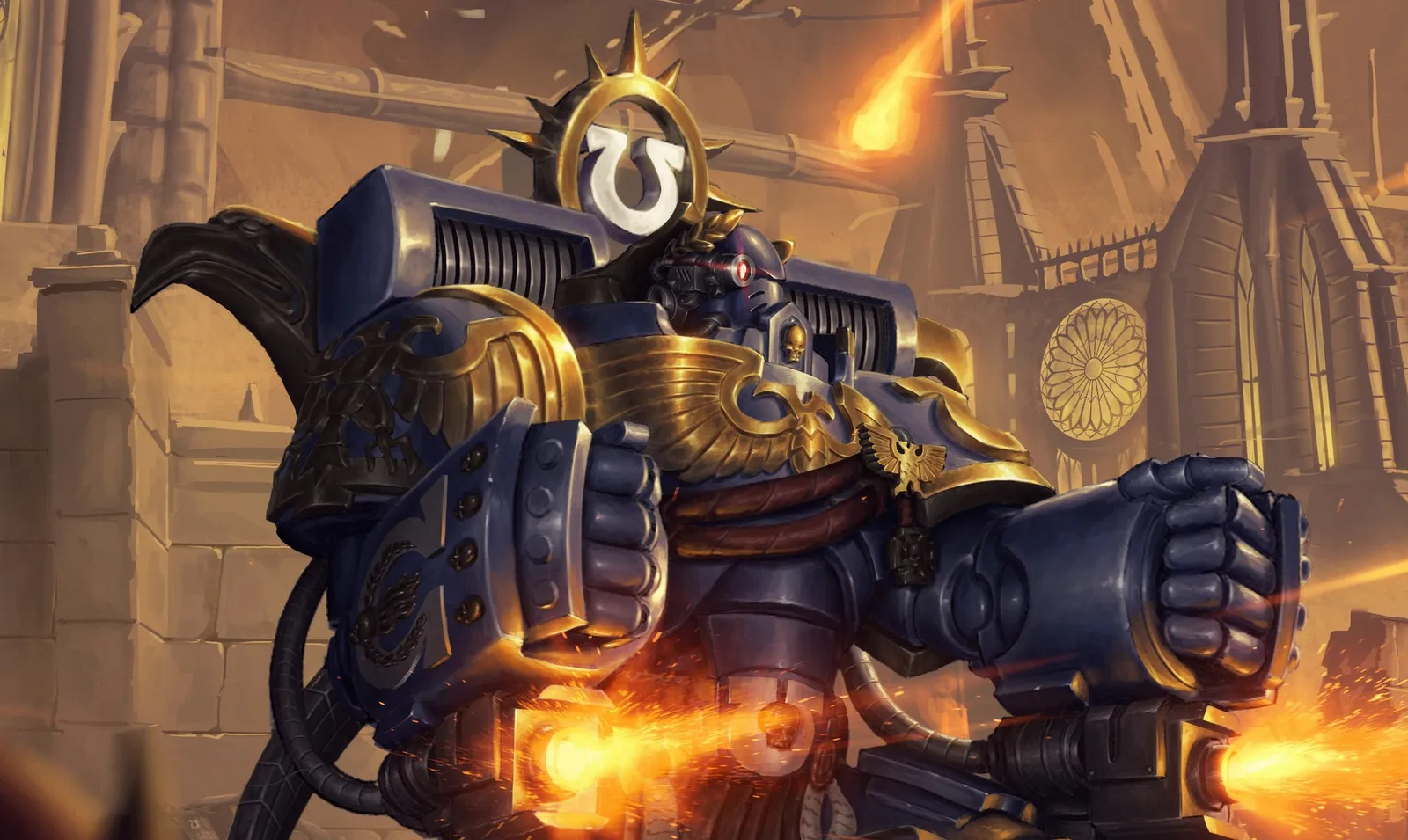
Chapter Master of the Ultramarines and Lord Macragge, Marneus Calgar is one of the greatest commanders of the Imperium. He led the defense of Macragge against the Tyranids, fought across countless warzones, and served as Guilliman's trusted lieutenant after the Primarch's return. Later he crossed the Rubicon Primaris and became a Primaris Marine, proof that even the oldest heroes of the Chapter could be remade for the new age.
Cato Sicarius
Captain of the 2nd Company, Master of the Watch and Knight Champion of Macragge, Cato Sicarius is a brilliant and ambitious warrior. His pride is as famous as his skill; many in the Chapter see him as Calgar's likely successor, and a few worry about exactly that. He commanded the Ultramarines during the long war on Damnos against the Necrons.
Other Champions
- Varro Tigurius, Chief Librarian, whose prophetic visions guide the Chapter's strategy.
- Ortan Cassius, Master of Sanctity, an ancient Chaplain whose body is largely rebuilt after his wars against the Tyranids.
- Torias Telion, the legendary Scout Sergeant and sniper who has trained generations of Ultramarines.
- Uriel Ventris, hero of Graham McNeill's Black Library Ultramarines novels, a captain whose unorthodox choices put him at odds with the Codex.
- Demetrian Titus, the protagonist of the Space Marine video games, whose second game follows him as an Ultramarines lieutenant in the Indomitus era.
Wars of the 41st Millennium
The Ultramarines' most famous battle is the Battle of Macragge. Hive Fleet Behemoth, the first great Tyranid invasion, descended on Ultramar and reached the Chapter's homeworld. Calgar led the defense from the polar fortresses while the 1st Company fought to the last man in the northern defenses, and the Ultramarines fleet finally destroyed the hive fleet in orbit. The Chapter won, but at a terrible price — its entire veteran company. You can read more about Behemoth and its successors in our Tyranid hive fleets guide.
Other campaigns have entered Chapter legend: Calgar's defense of Ichar IV against Hive Fleet Kraken, the bitter war on Damnos against an awakening Necron dynasty (told in the Black Library novel The Fall of Damnos), and centuries of campaigns protecting Ultramar's borders. Each of these wars has bled the Chapter, and each time it has rebuilt from Ultramar's deep reserves of recruits and discipline.
Guilliman's Return and the Indomitus Crusade
When the Great Rift tore the galaxy apart, Macragge was cut off and besieged. In that darkest hour an unlikely alliance gathered at the Temple of Correction. Archmagos Belisarius Cawl of the Adeptus Mechanicus and the Aeldari prophets of the Ynnari, led by Yvraine, worked together to wake Roboute Guilliman from his ten-thousand-year stasis.
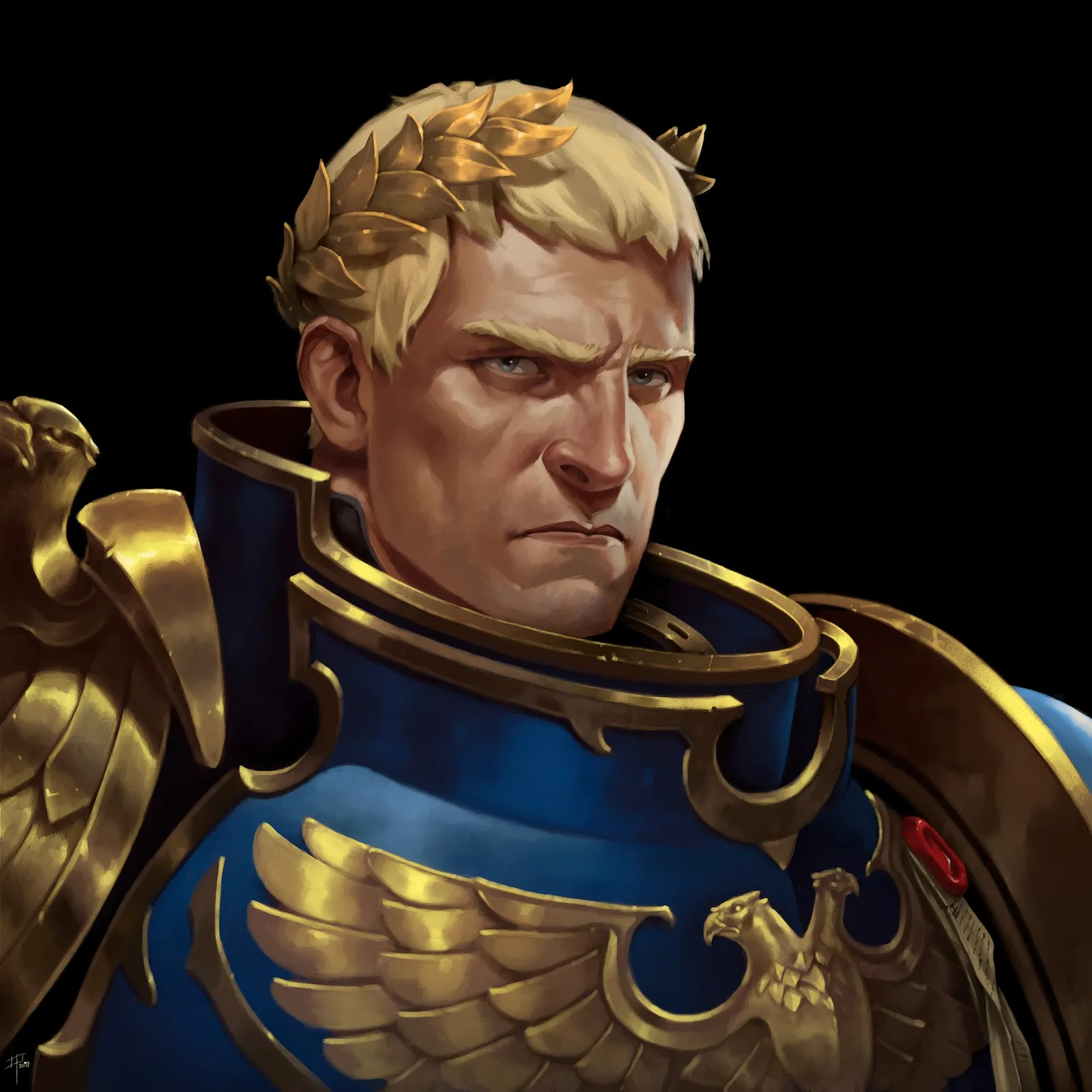
The Primarch woke to a galaxy he barely recognized. He traveled to Terra, stood before the Golden Throne, and accepted the role of Lord Commander of the Imperium and Imperial Regent. He then launched the Indomitus Crusade, the largest military campaign since the Great Crusade, sending vast fleets across the Imperium to reconquer lost worlds and relieve sieges. With it came the Primaris Marines, the new generation of Astartes that Cawl had built in secret on Guilliman's ancient orders, many of them carrying Ultramarines gene-seed.
Ultramar itself did not escape. In the Plague Wars, Mortarion and the Death Guard invaded the realm, spreading Nurgle's diseases across its worlds. Guilliman returned to defend his home and confronted his brother, driving the Death Guard back. For the Ultramarines, fighting beside their living Primarch after ten thousand years is both their greatest honor and a heavy burden: every eye in the Imperium is on them.
How the Ultramarines Differ from Other Chapters
- Codex purists. Where the Space Wolves or Black Templars ignore the Codex, the Ultramarines treat it as a living tradition and the measure of a Chapter.
- A realm, not just a fortress. The Chapter governs Ultramar directly, so its officers are administrators and statesmen as well as soldiers.
- No dark curse. Unlike the Red Thirst of the Blood Angels or the hidden shame of the Dark Angels, the Ultramarines carry no known flaw in their gene-seed. Their burden is expectation.
- The Primarch is back. Only the Ultramarines can follow their own gene-father into battle in the current era.
How the Ultramarines Play on the Tabletop
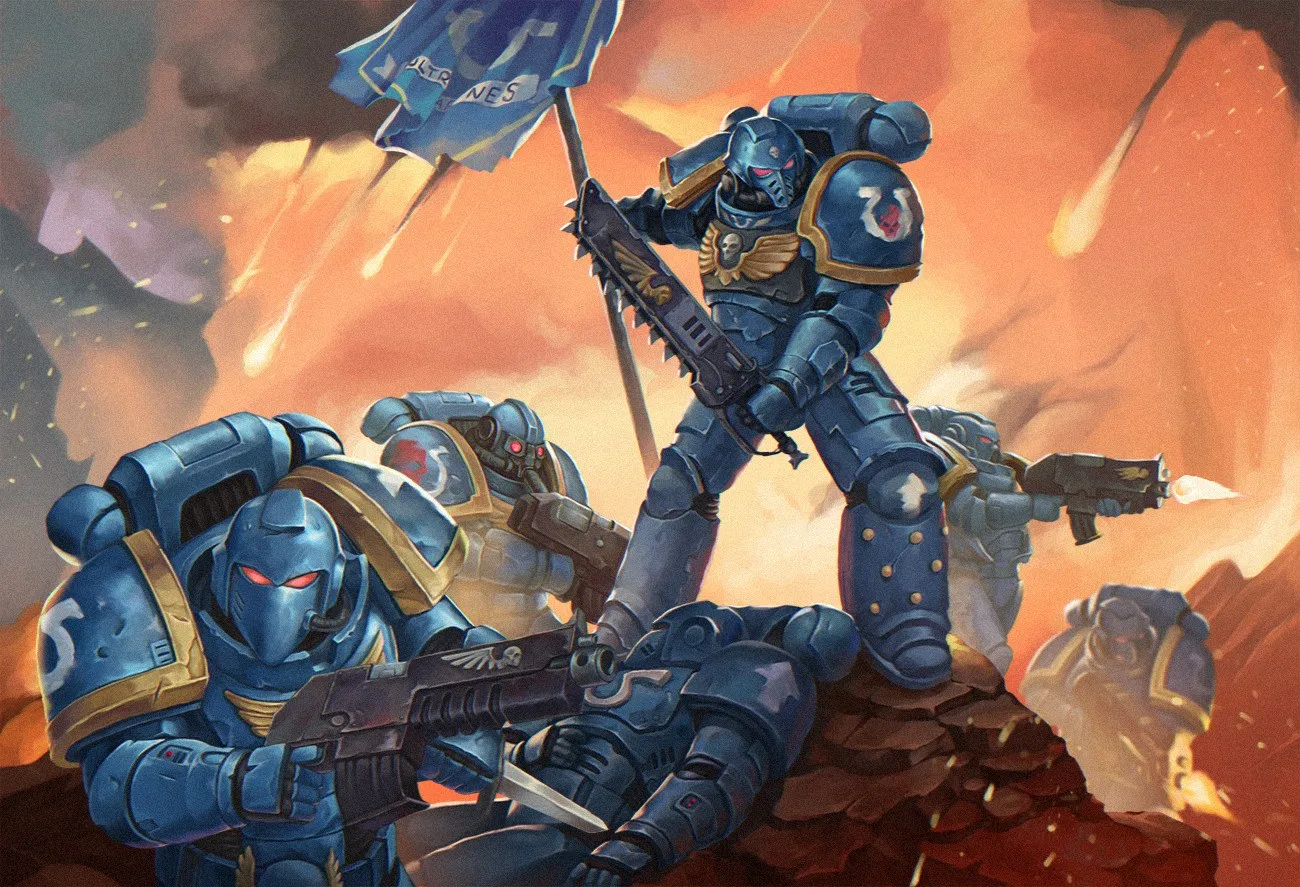
On the tabletop, the Ultramarines are the classic Space Marine army. They have access to the full range of Space Marine units, from Intercessors and Terminators to tanks and Dreadnoughts, and their identity is flexibility and discipline. They reward balanced, combined-arms forces that adapt to the flow of battle rather than a single trick.
Their special characters give them extra depth. Roboute Guilliman is one of the most powerful models in the game, a Primarch who leads from the front and makes the whole army better. Marneus Calgar, with his Victrix Honour Guard, anchors a strong command group, while Tigurius, Sicarius and Telion each add their own specialty. For collectors, the Ultramarines are the easiest Chapter to start: most Space Marine kits and box sets show them in their blue and gold, and their colors are the standard example in most painting guides.
Ultramarines FAQ
Who is the Primarch of the Ultramarines?
Roboute Guilliman, the XIII Primarch. Found on Macragge and raised by the consul Konor, he led the Legion during the Great Crusade and wrote the Codex Astartes after the Horus Heresy. He is currently awake and serves as Lord Commander of the Imperium.
Are the Ultramarines the best Space Marine Chapter?
In the lore they are among the largest, most successful and best-organized Chapters, and Guilliman's return has made them the most prominent. Other Chapters have their own strengths, though, and many resent the Ultramarines' influence and the Codex they represent.
How did Guilliman come back to life?
He was never fully dead. Fulgrim's poison left him dying in a stasis field for ten thousand years. After the Great Rift opened, Belisarius Cawl and the Ynnari led by Yvraine worked together to heal him, and he woke on Macragge.
What happened at the Battle of Macragge?
Hive Fleet Behemoth invaded Ultramar and attacked Macragge itself. The Ultramarines held the polar fortresses and destroyed the hive fleet, but the Chapter's 1st Company was wiped out in the fighting.
What does the Ultramarines symbol mean?
Their symbol is the Ultima, an inverted Greek omega. It stands for the realm of Ultramar and for the Chapter's role as the ultimate defenders of the Imperium.
What is the Ultramarines battle cry?
"Courage and Honour!" It sums up the Chapter's ideal: steady bravery in battle, and conduct that brings credit to the Primarch and to Ultramar.
Continue Exploring
- Space Marines (Adeptus Astartes) — the Primarchs, gene-seed and every Chapter's origins.
- Warhammer 40K factions guide — every army, its lore and how it plays.
- Imperial Fists — the sons of Rogal Dorn, who fought the Codex before accepting it.
- Salamanders — the forge-masters of Nocturne and protectors of humanity.
- Raven Guard — the shadow warriors of Corax.
- Word Bearers — the traitors who burned Calth.
- Roboute Guilliman — Roboute Guilliman in depth
- Marneus Calgar — Marneus Calgar in depth
Name your own sons of Macragge with the Ultramarines name generator, or browse every guide in the Warhammer 40K lore hub. To chronicle your own Chapter, Anima is free and runs in your browser with no account: a wiki, a timeline, and campaigns with a live DM screen.
Keep reading
More from this topic
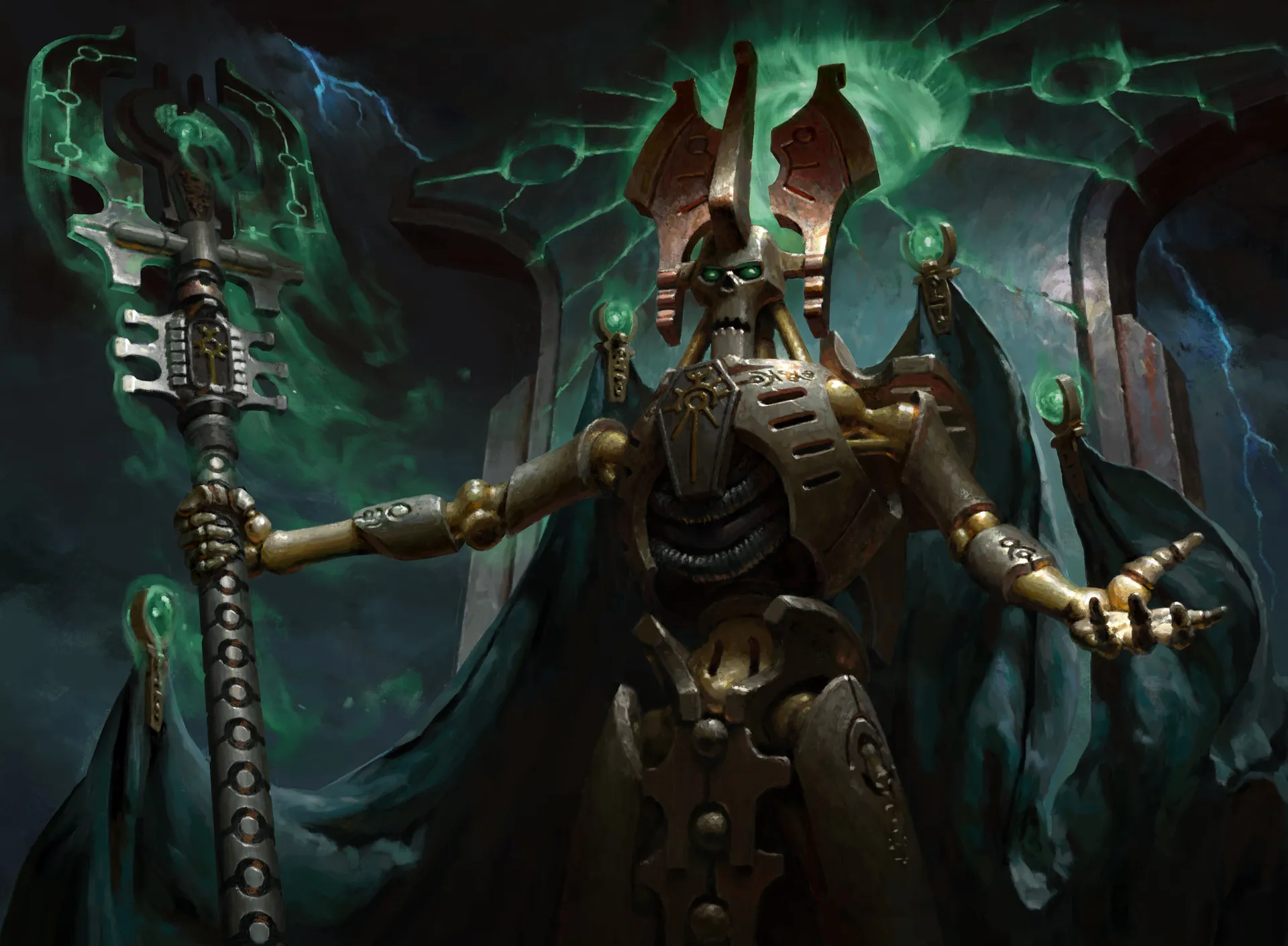
Necrons: Warhammer 40K Lore Guide
The complete lore of the Necrons — the doomed Necrontyr, the C’tan star-gods, biotransference, the War in Heaven, and the deathless dynasties now waking to reclaim the galaxy.
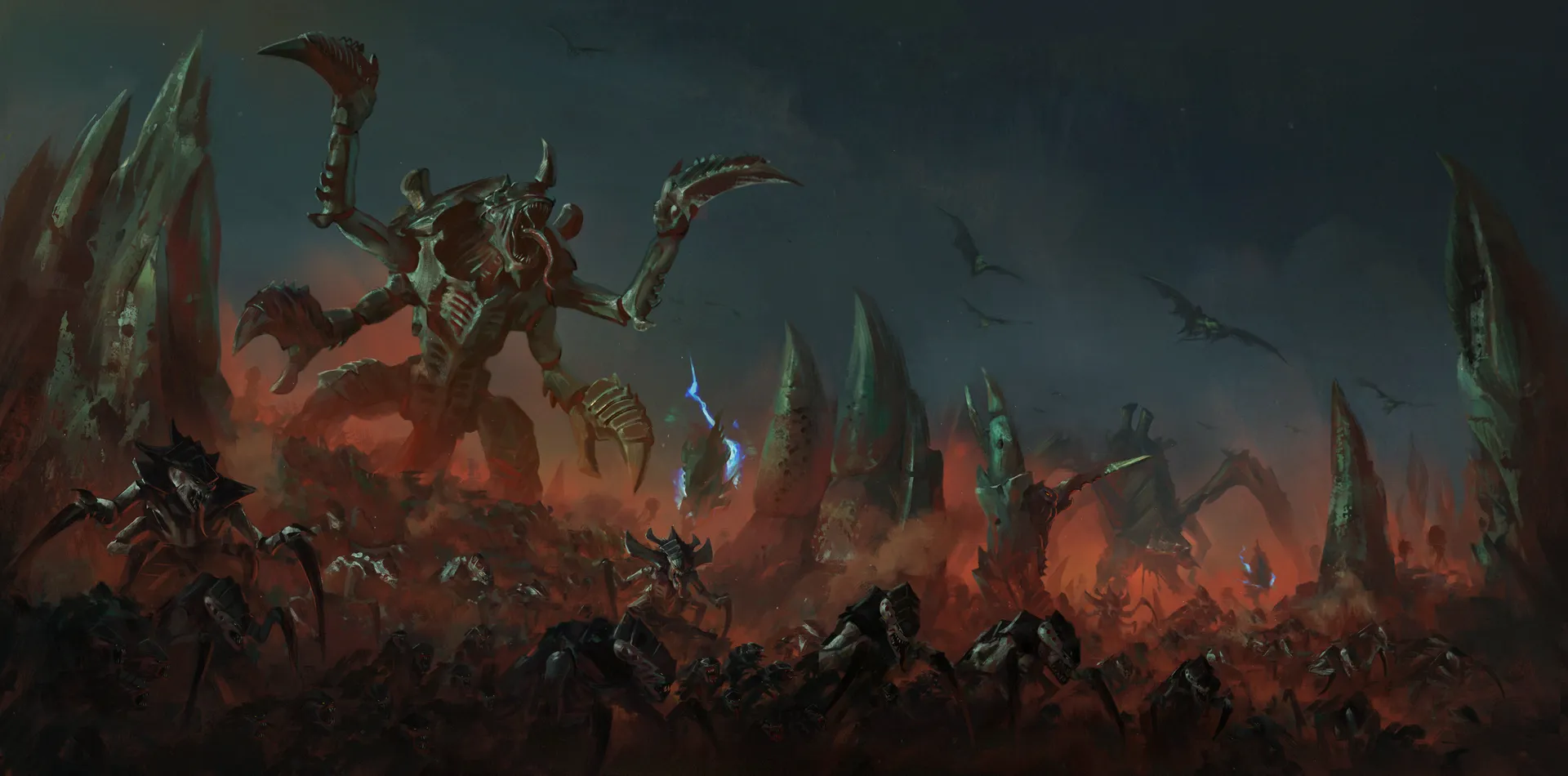
Tyranids: Warhammer 40K Lore Guide
The complete lore of the Tyranids — the Great Devourer, the Hive Mind, the Shadow in the Warp, the great Hive Fleets, Genestealer Cults, and the hunger that crossed the void between galaxies.
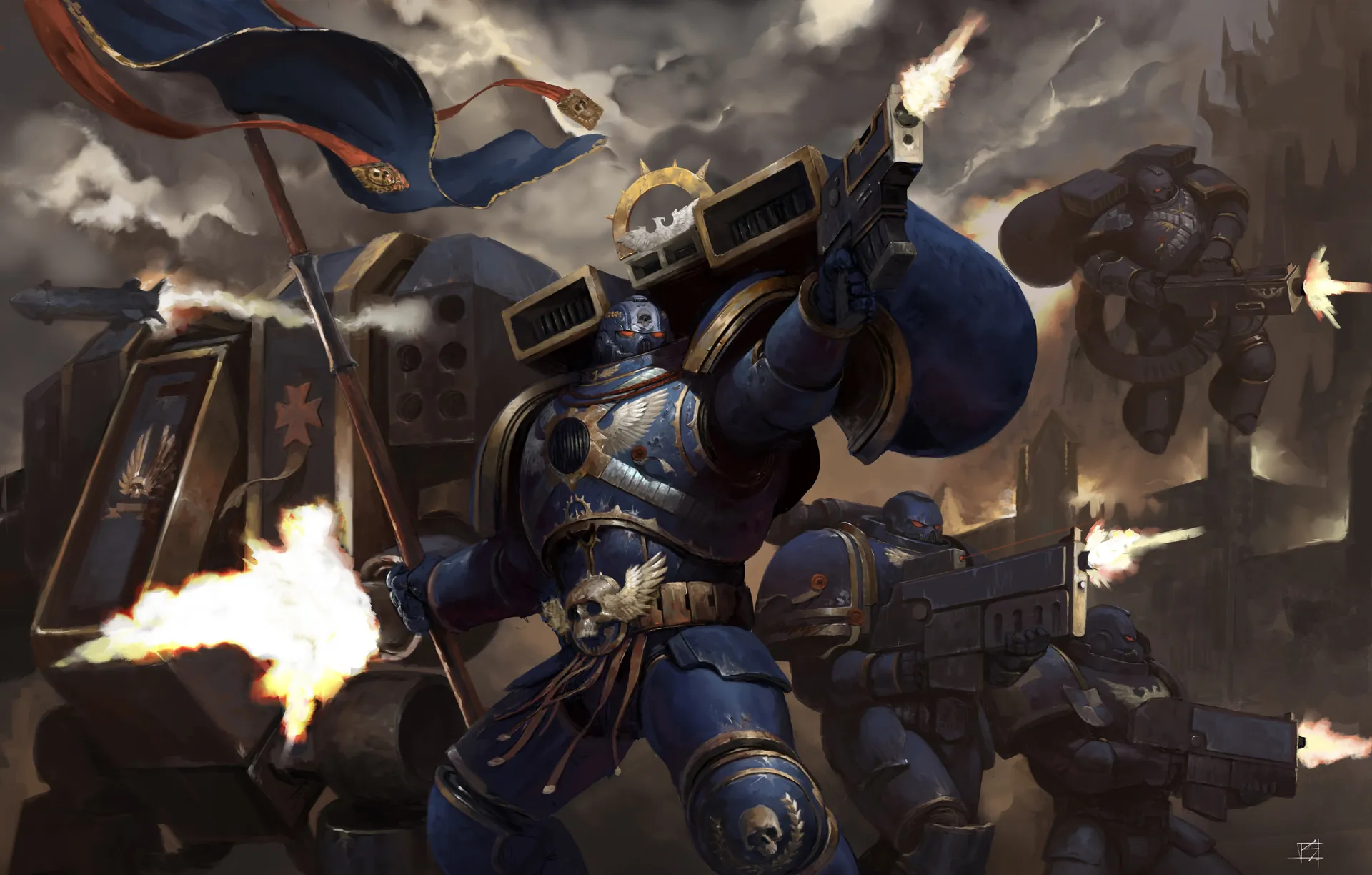
Space Marines (Adeptus Astartes): Warhammer 40K Lore Guide
The complete lore of the Space Marines — the Primarchs, gene-seed, the Horus Heresy, the Codex Astartes and the Chapters, the Primaris and Guilliman’s return, and the cost of the Angels of Death.
Start building your world today
A linked wiki, a timeline and a live DM screen — free, in your browser, no account needed.