Fulgrim: Warhammer 40K Lore Guide
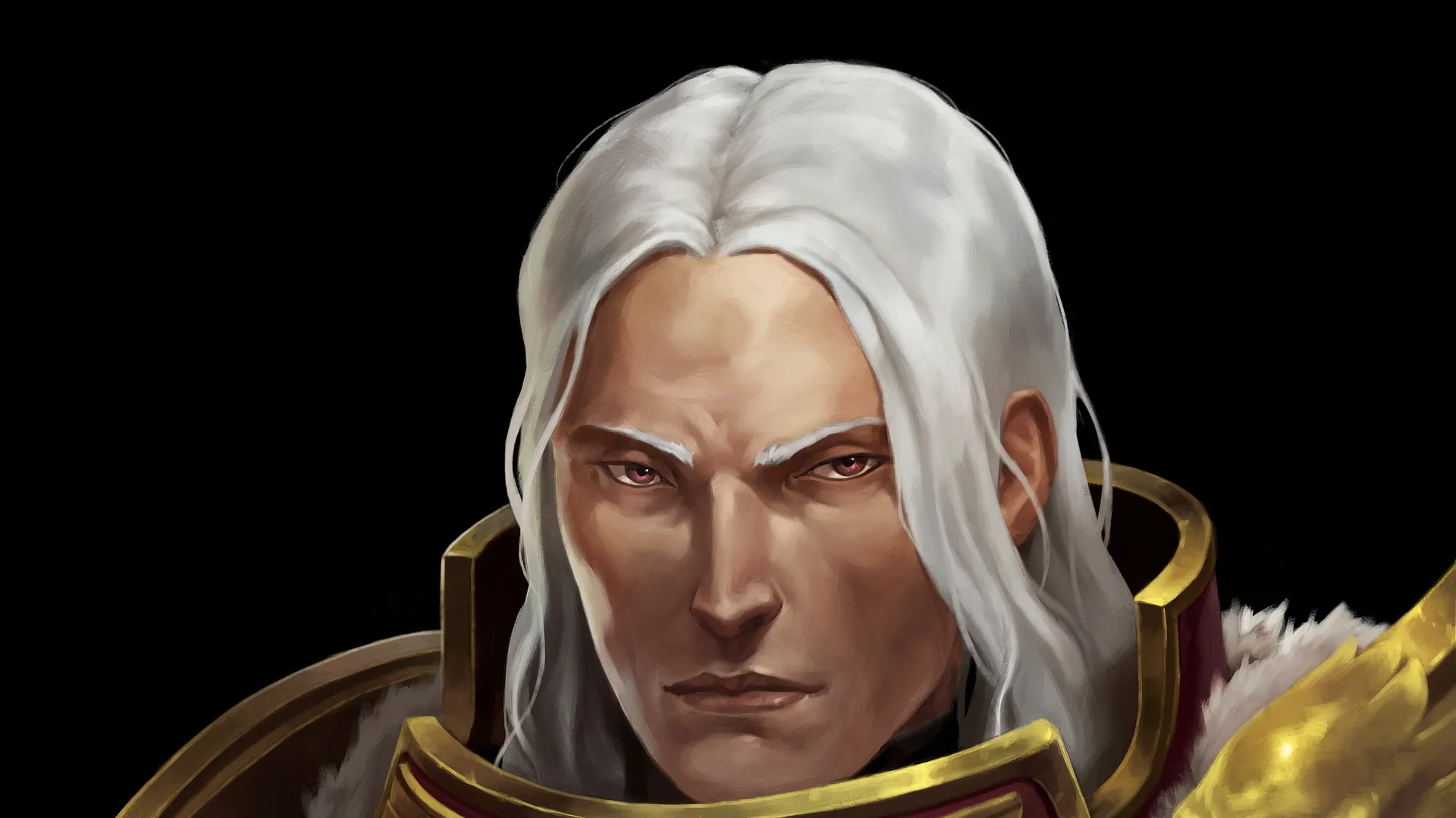
Fulgrim wanted to be perfect. Not merely good, not merely victorious, but flawless in war, in art, in conversation and in the eyes of his father. That ambition made him one of the most admired Primarchs of the Great Crusade, and it is exactly what a daemon used to destroy him. The Phoenician who once turned a dying factory world into a place of beauty became the first Primarch to murder a brother, then a serpentine Daemon Primarch of Slaanesh who has returned to realspace in the 42nd millennium.
Fulgrim is the Primarch of the Emperor's Children, the III Legion. Where our Legion guide follows his sons, this page follows the man himself: his rise on Chemos, his friendship with Ferrus Manus, the blade of Laeran, the murder at Isstvan V, his long transformation into a daemon and his place in the current setting.
Fulgrim at a Glance
| Aspect | Detail |
|---|---|
| Titles | The Phoenician, the Illuminator, Daemon Primarch of Slaanesh |
| Allegiance | Loyal during the Great Crusade; Slaanesh since the Horus Heresy |
| Legion | III Legion, the Emperor's Children |
| Homeworld | Chemos, a polluted industrial world with a dwindling population |
| Signature Wargear | The Fireblade, forged by Ferrus Manus; the daemon-haunted Blade of Laer |
| Status in M42 | Active Daemon Primarch, returned to realspace in the Era Indomitus |
| First Major Lore Appearance | Early background of the 1980s and 1990s; fully developed in Graham McNeill's novel Fulgrim (2007) |
Origin: The Phoenician of Chemos
When the infant Primarchs were scattered, the one who would become Fulgrim fell onto Chemos, a grey world of choking factories where life was a joyless cycle of labor. The workers who found him raised him among the manufactories. He absorbed everything they could teach, became an engineer, a leader and a reformer, and in time rose to rule Chemos itself. Under his guidance the planet's industry recovered and its people rediscovered art, music and beauty for the first time in generations. Fulgrim's founding belief was born there: that humanity should not merely survive, but excel.
When the Emperor arrived, Fulgrim knelt willingly, one of the few Primarchs who accepted his father without a contest. He was given the III Legion, a broken remnant ravaged by a gene-seed failure, and for a time he and his sons fought under Horus while the Legion rebuilt. The bond with Horus, formed when Fulgrim had almost nothing to command, would matter enormously later. So would the Legion's gratitude: the Emperor honored the Emperor's Children with the right to bear his personal Palatine Aquila, and Fulgrim swore that they would never be less than perfect again.
Defining Deeds: Laeran and the Daemon Blade
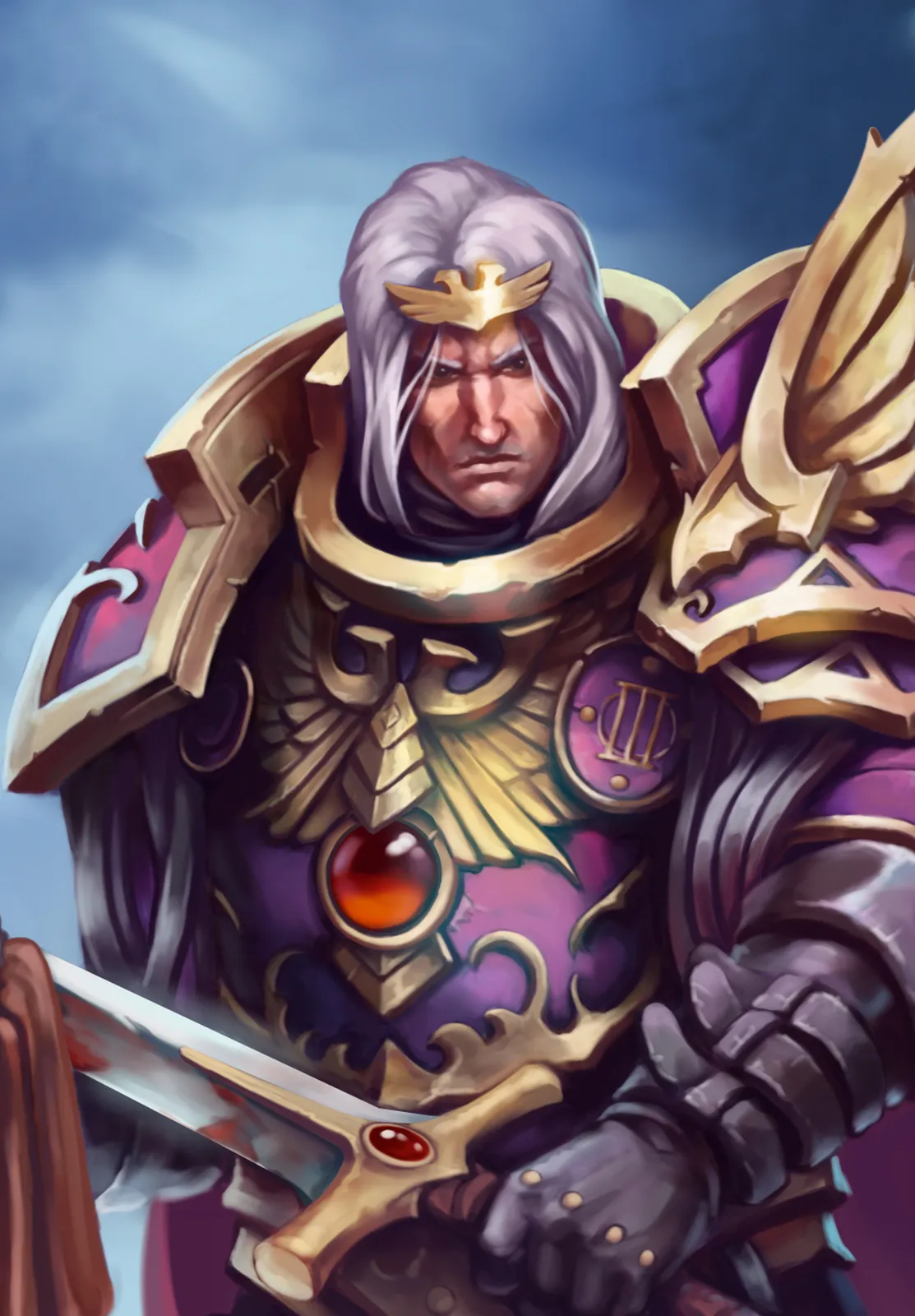
During the Great Crusade Fulgrim was celebrated as a master swordsman and an elegant commander, and his Legion became a byword for precision. His closest friendship among the Primarchs was with Ferrus Manus, the blunt, iron-handed master of the Iron Hands. The two were opposites, the artist and the smith, and they sealed their bond by forging weapons for each other: Fulgrim made the hammer Forgebreaker for Ferrus, and Ferrus made the Fireblade for Fulgrim.
The turning point came on Laeran, an ocean world home to the Laer, an alien race whose culture revolved around sensation and art. The Emperor's Children fought a hard campaign to conquer them, and in a Laer temple Fulgrim found a beautiful sword which he claimed as a trophy. The blade contained a daemon of Slaanesh. As Graham McNeill's novel Fulgrim tells it, the daemon did not take control at once. It whispered, flattered and nudged, feeding the Primarch's pride and making every one of his instincts slightly more extreme. Fulgrim believed his thoughts were his own. His Legion followed him down the same path, into ever more transgressive art, combat drugs and the experiments of Chief Apothecary Fabius, the future Fabius Bile.
Isstvan V: The First Fratricide
When Horus rebelled, he chose his old companion Fulgrim as one of the first to recruit. Fulgrim was sent to win over Ferrus Manus, and he failed: their argument turned to violence, and Ferrus fled to warn the loyalists. At the Dropsite Massacre on Isstvan V the two met again. Fulgrim struck off his friend's head with the Fireblade, the very sword Ferrus had made for him. It was the first time in history that one Primarch killed another.
The horror of that moment broke Fulgrim's will, and the daemon in his blade seized his body. In the novel, Fulgrim's own consciousness was left trapped and powerless, while the daemon wore his flesh and led the Legion into atrocities. He eventually reclaimed his body, but the being who returned was no longer the Phoenician. The full fallout of the Horus Heresy for the Iron Hands, who have hated the Emperor's Children ever since, is told in our Iron Hands guide.
Ascension: The Angel Exterminatus
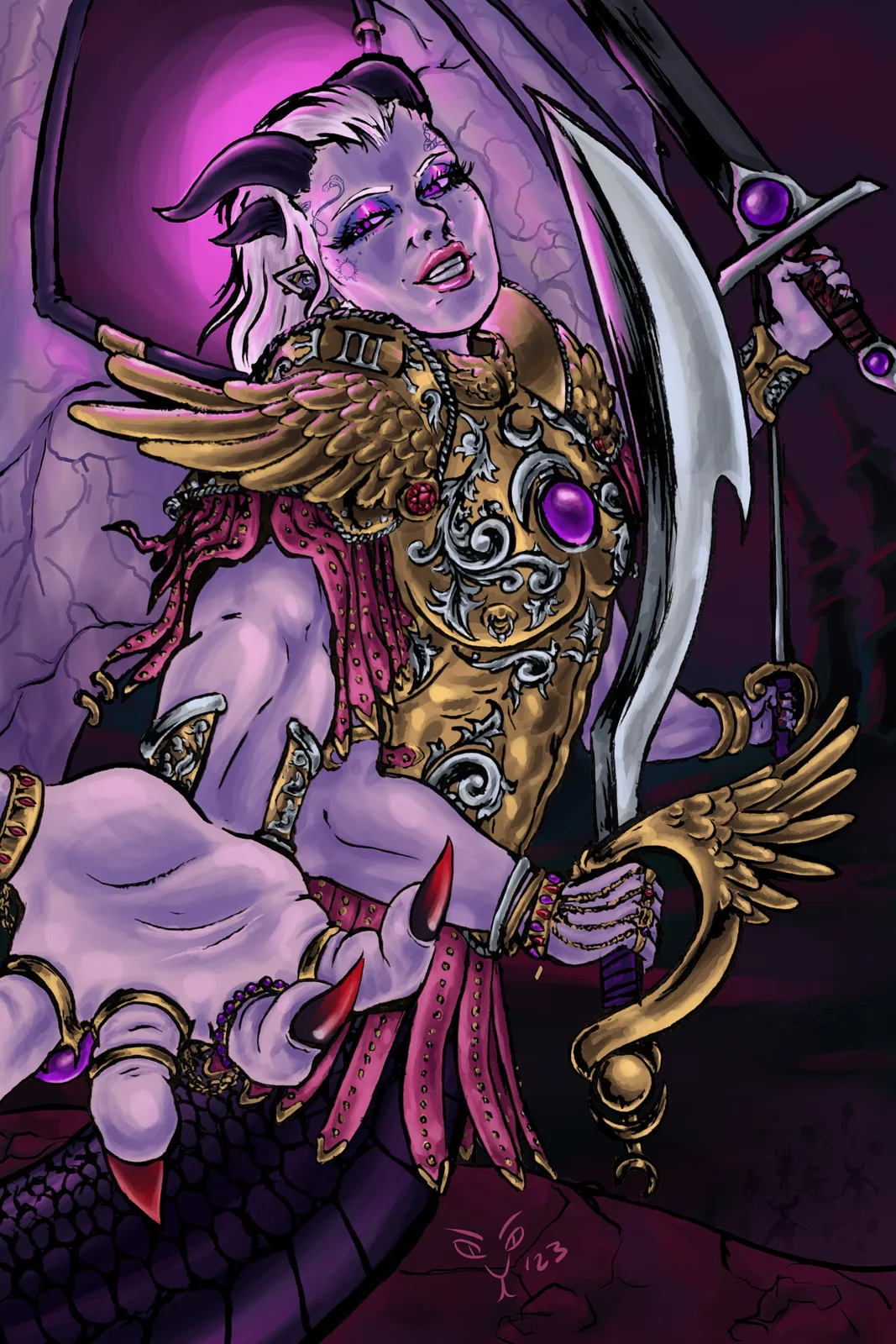
Fulgrim's apotheosis is told in McNeill's Horus Heresy novel Angel Exterminatus. He lured Perturabo and the Iron Warriors into the Eye of Terror with promises of an ancient weapon, the Angel Exterminatus, that could win the war. The weapon was a lie. On the Aeldari crone world of Iydris, Fulgrim used the slaughter and the souls of the planet's dead to complete his own transformation. He emerged as a Daemon Prince of Slaanesh, a towering serpentine being with multiple arms, and Perturabo never forgave the deception.
As a daemon, Fulgrim fought at the Siege of Terra beside Horus. After the Warmaster's death, he did not follow the Legions into ruin quietly. In Imperial records, Fulgrim struck at Roboute Guilliman on the world of Thessala during the years after the Heresy and wounded him with a poisoned blade, a wound that left the Ultramarines Primarch frozen in stasis for ten thousand years. Fulgrim then vanished into the Eye of Terror and took little interest in his scattered Legion, which tore itself apart in the Legion Wars.
Personality and Relationships
Fulgrim's character is built on a single theme: perfection without limit becomes excess without limit. Before his fall he was gracious, generous and inspiring, but also vain, competitive and unable to bear criticism. Slaanesh did not need to change who he was, only to remove the brakes. As a daemon he is still elegant, still brilliant with a blade, and still convinced he is the most beautiful thing in the galaxy.
- Ferrus Manus: his dearest friend and his first victim. The murder is the defining moment of Fulgrim's life, and the novels suggest it still haunts whatever remains of the Phoenician.
- Horus: the brother who fought beside the Emperor's Children when they were nearly extinct, and the one Fulgrim followed into treachery. Our Horus Lupercal guide covers the Warmaster's side of the story.
- Perturabo: once a friend and creative equal, the two shared a love of art and craft. After Iydris, the Lord of Iron hated him.
- Vulkan and Corax: the other loyalist Primarchs caught in the Dropsite Massacre, who survived the day on which Fulgrim killed Ferrus.
- Roboute Guilliman: the Primarch he poisoned after the Heresy, now resurrected and leading the Imperium. Our Guilliman guide tells the story of his long sleep and return.
Fate and Current Status: The Phoenician Returns
For most of the 41st millennium, Fulgrim was a distant presence, rumored to rule a daemon world of his own and to appear only rarely. The Era Indomitus changed that. With Angron and Mortarion already loose in realspace and Lion El'Jonson returned on the loyalist side, Games Workshop brought Fulgrim back in 2025. The story has the Phoenician returning from the Warp to gather his scattered sons, and the Emperor's Children were relaunched as a standalone army alongside him.
In the 2026 setting, Fulgrim is one of the active Daemon Primarchs of the traitor Legions, alongside Angron of the World Eaters, Mortarion of the Death Guard, Magnus of the Thousand Sons and Perturabo of the Iron Warriors. He serves Slaanesh, the youngest of the Chaos Gods. Fulgrim's goals are what they always were: excess, sensation and the proof of his own superiority, now pursued at the head of a reunited Legion.
Fulgrim on the Tabletop
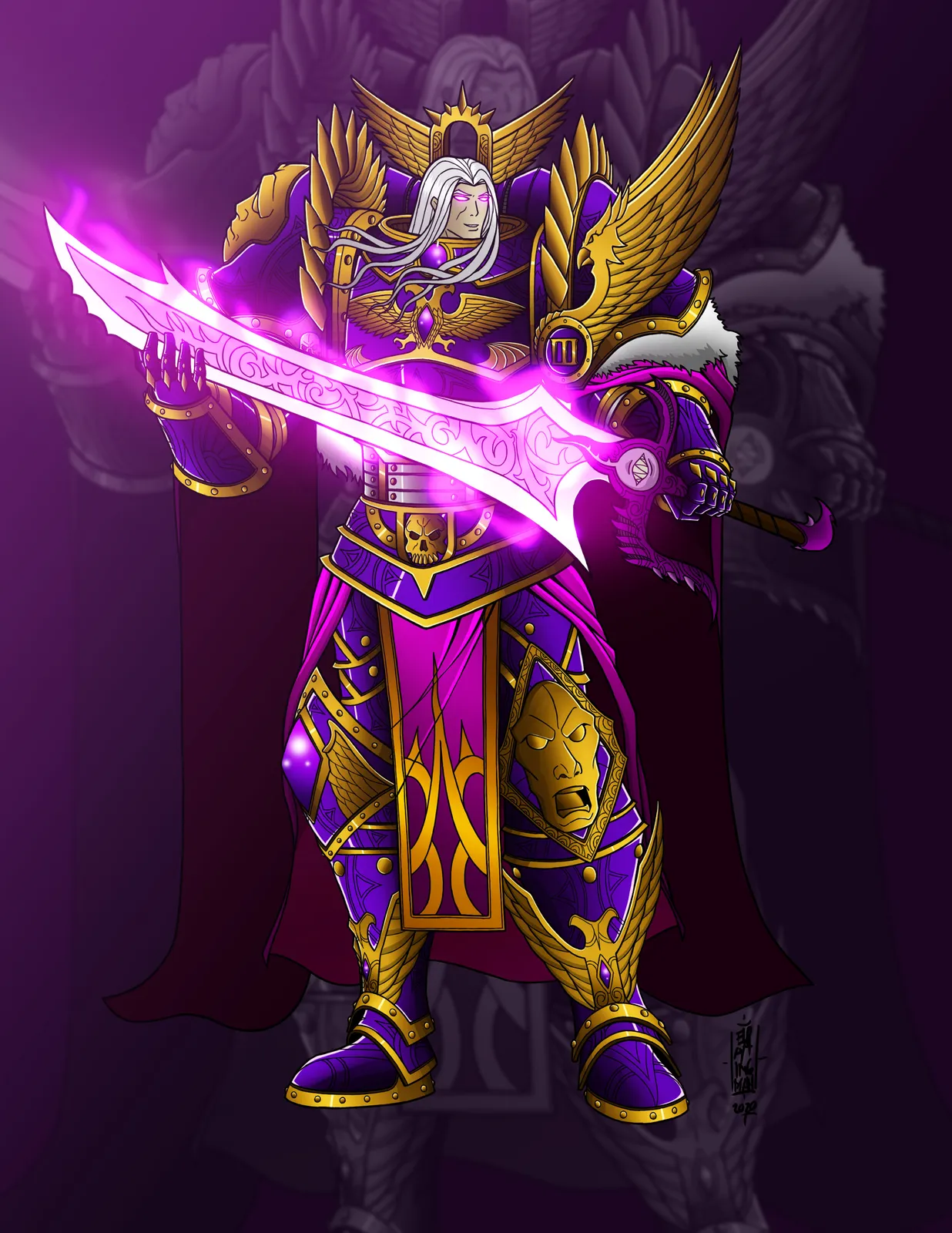
Fulgrim exists in two forms. In Warhammer: The Horus Heresy, Forge World produced a resin model of the pre-fall Phoenician in his ornate purple and gold armor, a duelist Primarch who leads the Emperor's Children Legion in the age of the Great Crusade. In Warhammer 40,000, the 2025 Emperor's Children release introduced a new plastic Fulgrim as a Daemon Primarch: a winged, many-armed, serpent-tailed giant with two swords, one straight and one curved.
On the table, the Daemon Primarch plays like his legend: a fast, elegant killer who wins duels, hunts enemy characters and amplifies the speed and precision of the Emperor's Children around him. He is not a slow, durable anchor like Mortarion; he is a blade that must be aimed carefully. For the full army, start with our Emperor's Children guide linked above.
Fulgrim FAQ
Why did Fulgrim kill Ferrus Manus?
After Fulgrim joined Horus, he tried and failed to persuade Ferrus Manus to betray the Emperor. When they met in battle at the Dropsite Massacre on Isstvan V, Fulgrim beheaded his old friend with the Fireblade, the sword Ferrus had forged for him. The shock of the murder let the daemon in his blade take control of his body.
How did Fulgrim become a daemon?
In the Horus Heresy novel Angel Exterminatus, Fulgrim lured Perturabo to the Aeldari crone world of Iydris in the Eye of Terror and used the deaths there to fuel his ascension. He emerged as a Daemon Prince of Slaanesh.
Is Fulgrim in Warhammer 40K now?
Yes. Fulgrim returned to realspace in the Era Indomitus, and in 2025 Games Workshop released a plastic Fulgrim, Daemon Primarch of Slaanesh, alongside the standalone Emperor's Children army.
Did Fulgrim wound Roboute Guilliman?
Yes. According to Imperial lore, Fulgrim struck Guilliman with a poisoned blade at Thessala in the years after the Heresy. The wound left Guilliman in stasis for ten thousand years until he was revived at the end of the 41st millennium.
What is the Fireblade?
The Fireblade is the sword Ferrus Manus forged for Fulgrim as a symbol of their friendship, in exchange for the hammer Forgebreaker. Fulgrim later used it to kill Ferrus at Isstvan V.
Continue Exploring
- Emperor's Children — Fulgrim's III Legion, from perfection to excess.
- The Primarchs — all twenty sons of the Emperor, loyal, traitor and lost.
- Ferrus Manus — the Gorgon of the Iron Hands, Fulgrim's friend and first victim.
- Perturabo — the Lord of Iron, betrayed by Fulgrim at Iydris.
- Slaanesh — the Dark Prince Fulgrim serves.
- Warhammer 40K factions guide — every army, its lore and how it plays.
For every other army and character deep-dive, browse the Warhammer 40K lore hub, and name your own Emperor's Children champion with the Chaos Space Marine name generator. To chronicle your own warband's descent into excess, Anima is free and runs in your browser with no account: a wiki, a timeline, and campaigns with a live DM screen.
Keep reading
More from this topic
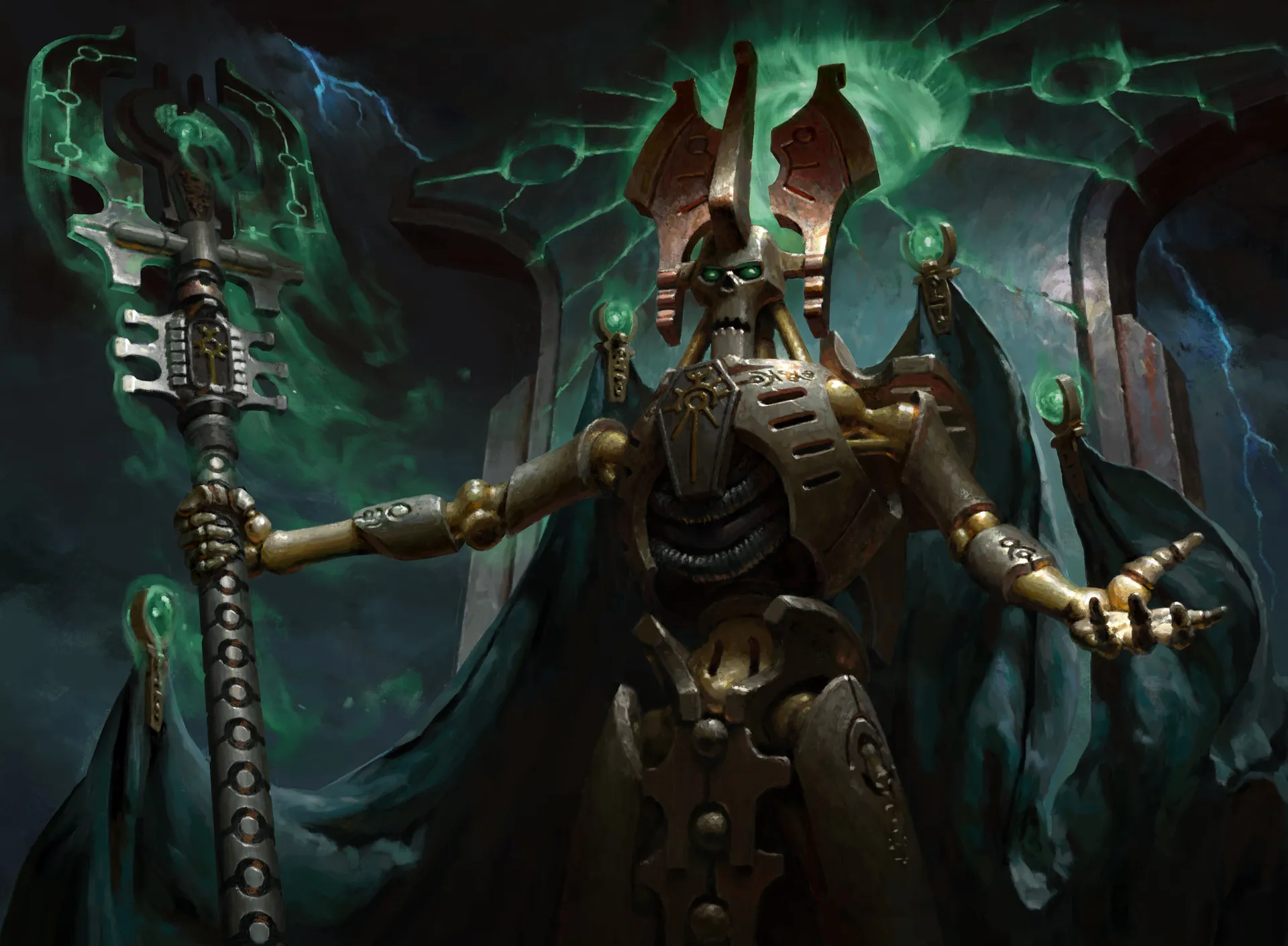
Necrons: Warhammer 40K Lore Guide
The complete lore of the Necrons — the doomed Necrontyr, the C’tan star-gods, biotransference, the War in Heaven, and the deathless dynasties now waking to reclaim the galaxy.
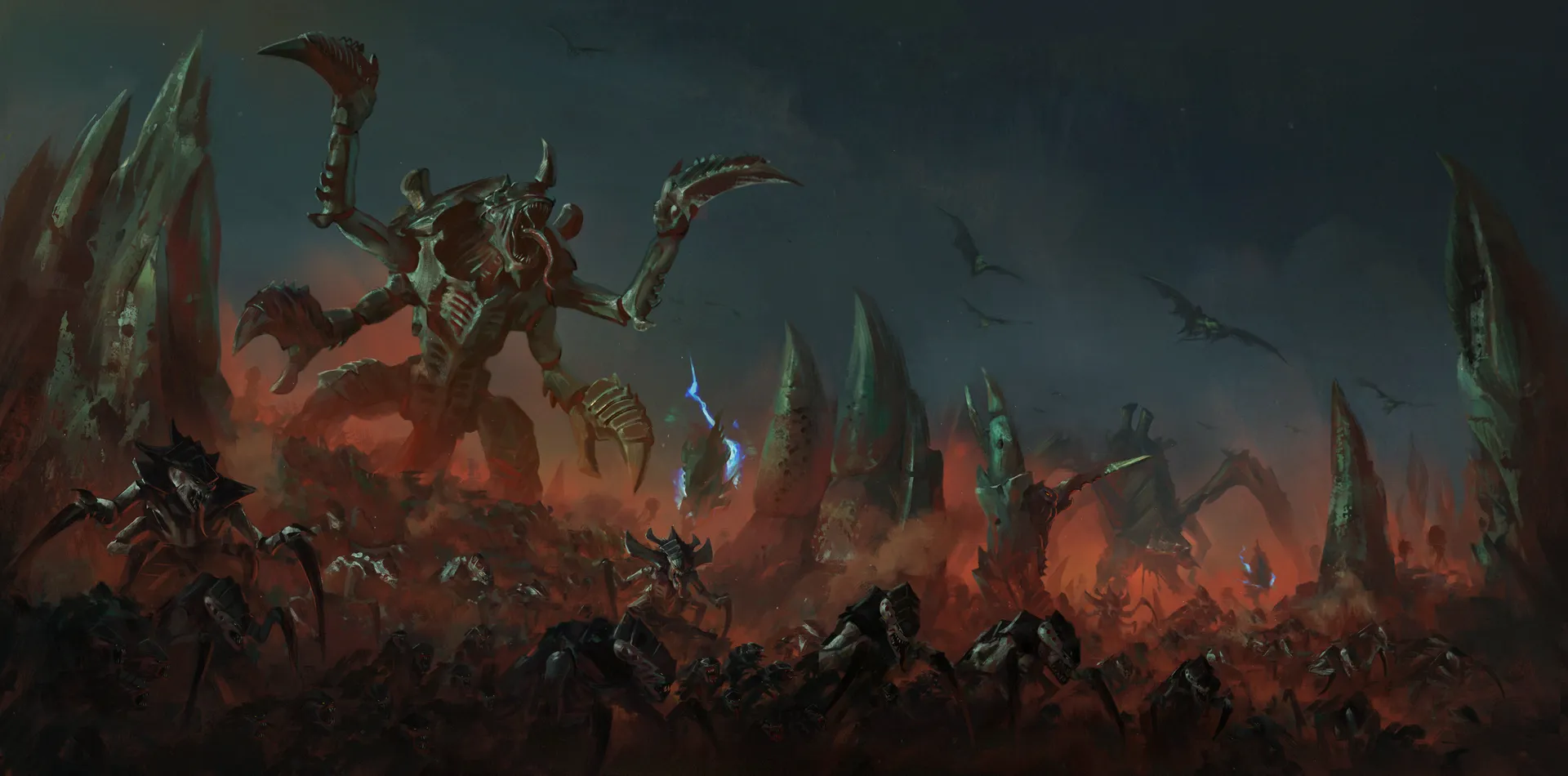
Tyranids: Warhammer 40K Lore Guide
The complete lore of the Tyranids — the Great Devourer, the Hive Mind, the Shadow in the Warp, the great Hive Fleets, Genestealer Cults, and the hunger that crossed the void between galaxies.
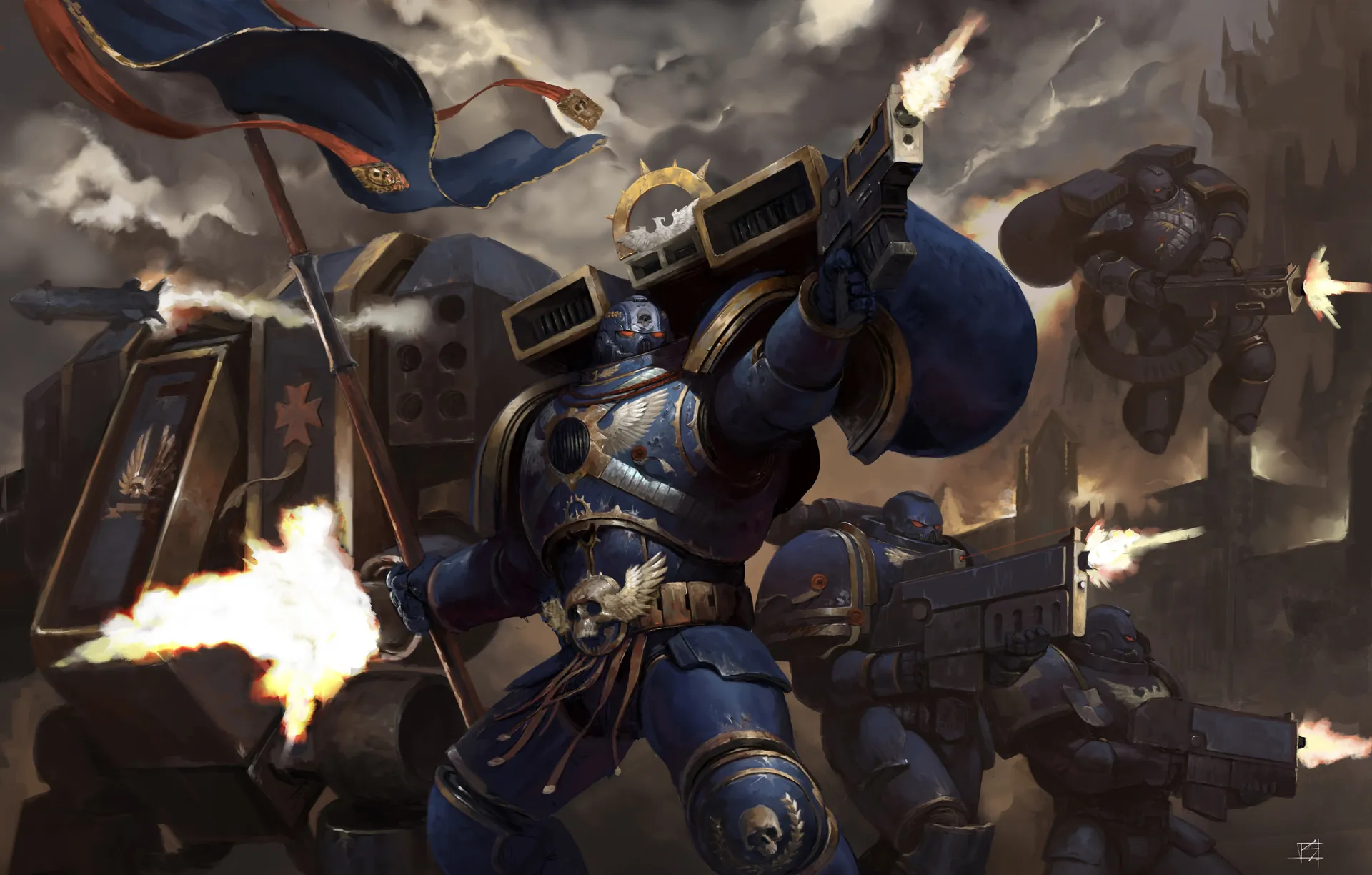
Space Marines (Adeptus Astartes): Warhammer 40K Lore Guide
The complete lore of the Space Marines — the Primarchs, gene-seed, the Horus Heresy, the Codex Astartes and the Chapters, the Primaris and Guilliman’s return, and the cost of the Angels of Death.
Start building your world today
A linked wiki, a timeline and a live DM screen — free, in your browser, no account needed.