Thousand Sons: Warhammer 40K Lore Guide
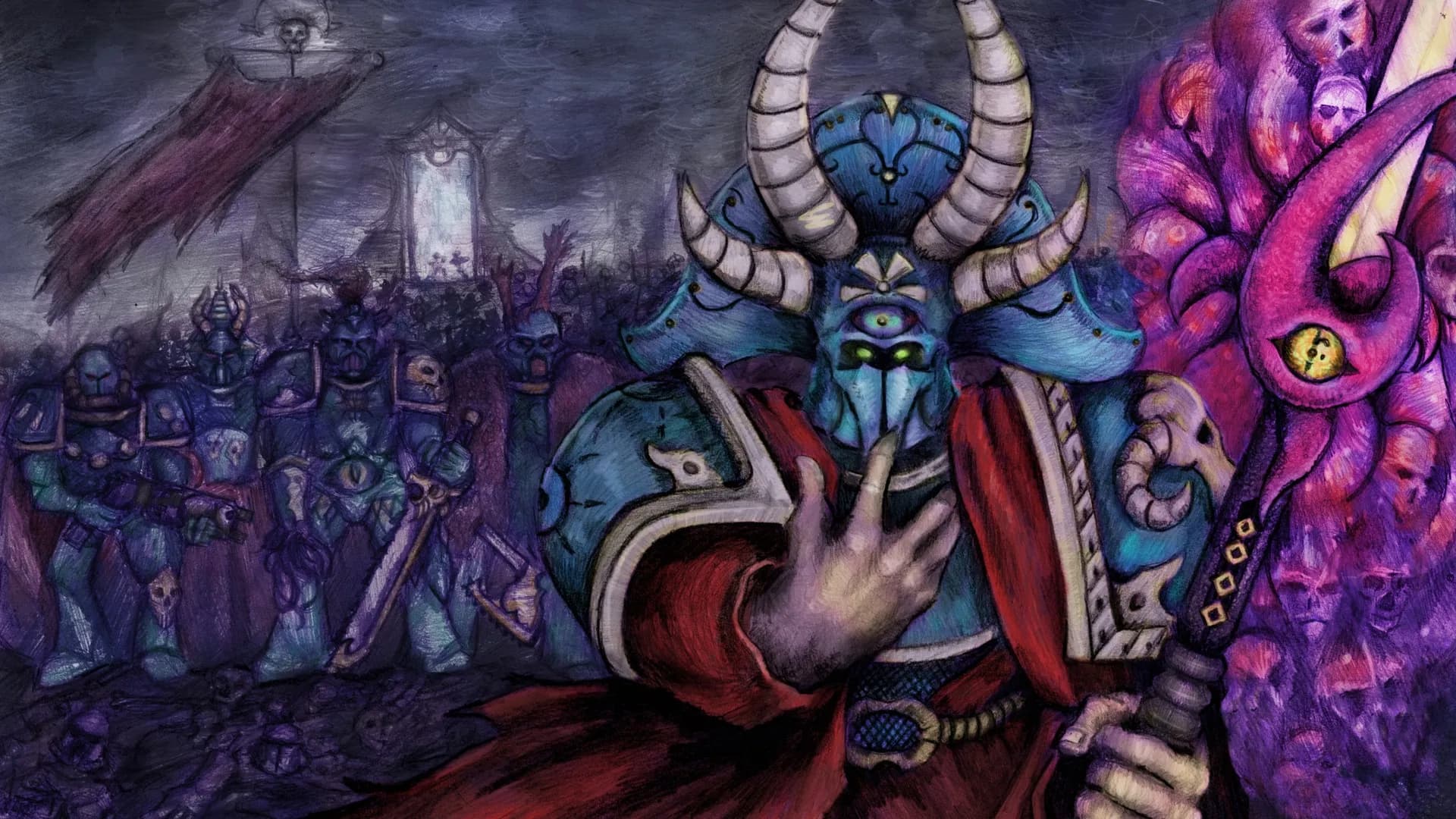
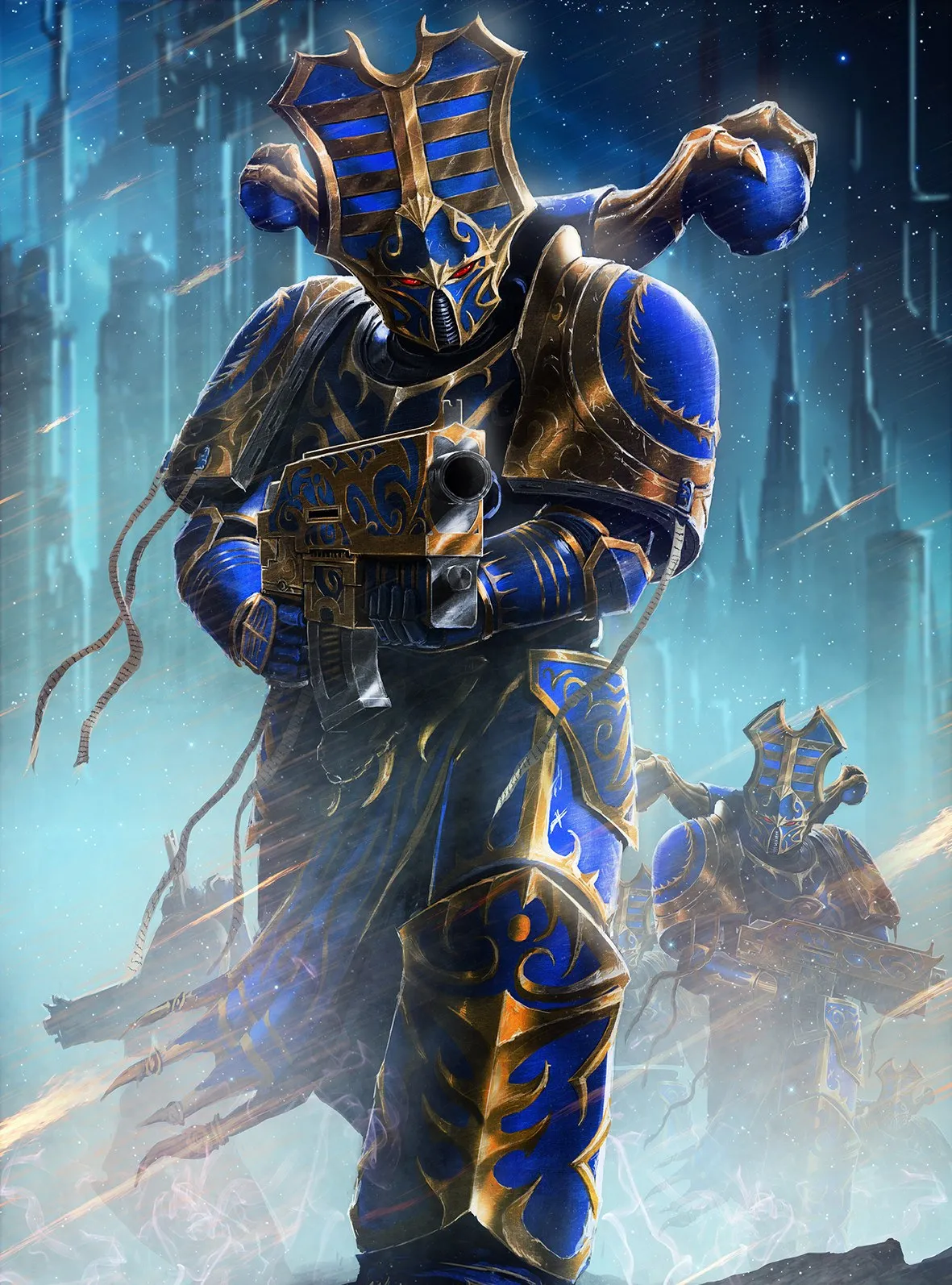
No Legion fell further, or for a sadder reason, than the Thousand Sons. They were scholars before they were traitors: a brotherhood of psyker-philosophers who believed that knowledge could save humanity, led by a cyclopean giant who loved his father and tried to warn him of the coming betrayal. Their reward was fire, exile and damnation. Today they are the sorcerer Legion of Tzeentch, the strangest of the Traitor Legions of the Chaos Space Marines, an army of ensorcelled suits of armor animated by the dust of the men who once wore them.
This guide follows the XV Legion from its origins and the hidden curse in its gene-seed, through Magnus the Red's folly at Terra, the Burning of Prospero and the catastrophic Rubric of Ahriman, to the Crimson King's schemes in the 42nd Millennium. If you have ever wondered why the most well-meaning Legion became one of the most dangerous, or why its warriors are hollow, this is where to start.
Thousand Sons at a Glance
| Aspect | Detail |
|---|---|
| Legion Number | XV Legion |
| Pre-Heresy Name | Always the Thousand Sons (no separate pre-Primarch title) |
| Primarch | Magnus the Red, the Crimson King, now Daemon Primarch of Tzeentch |
| Homeworld | Prospero (destroyed); the Planet of the Sorcerers in the Eye of Terror |
| Patron God | Tzeentch, the Architect of Fate |
| Colors | Crimson and gold in the Great Crusade; sapphire blue and gold today |
| Signature Warriors | Rubric Marines, Sorcerers, Scarab Occult Terminators, Tzaangors |
| Defining Event | The Rubric of Ahriman, which turned most of the Legion to dust |
| Greatest Rivals | The Space Wolves, who burned Prospero |
Magnus and Prospero
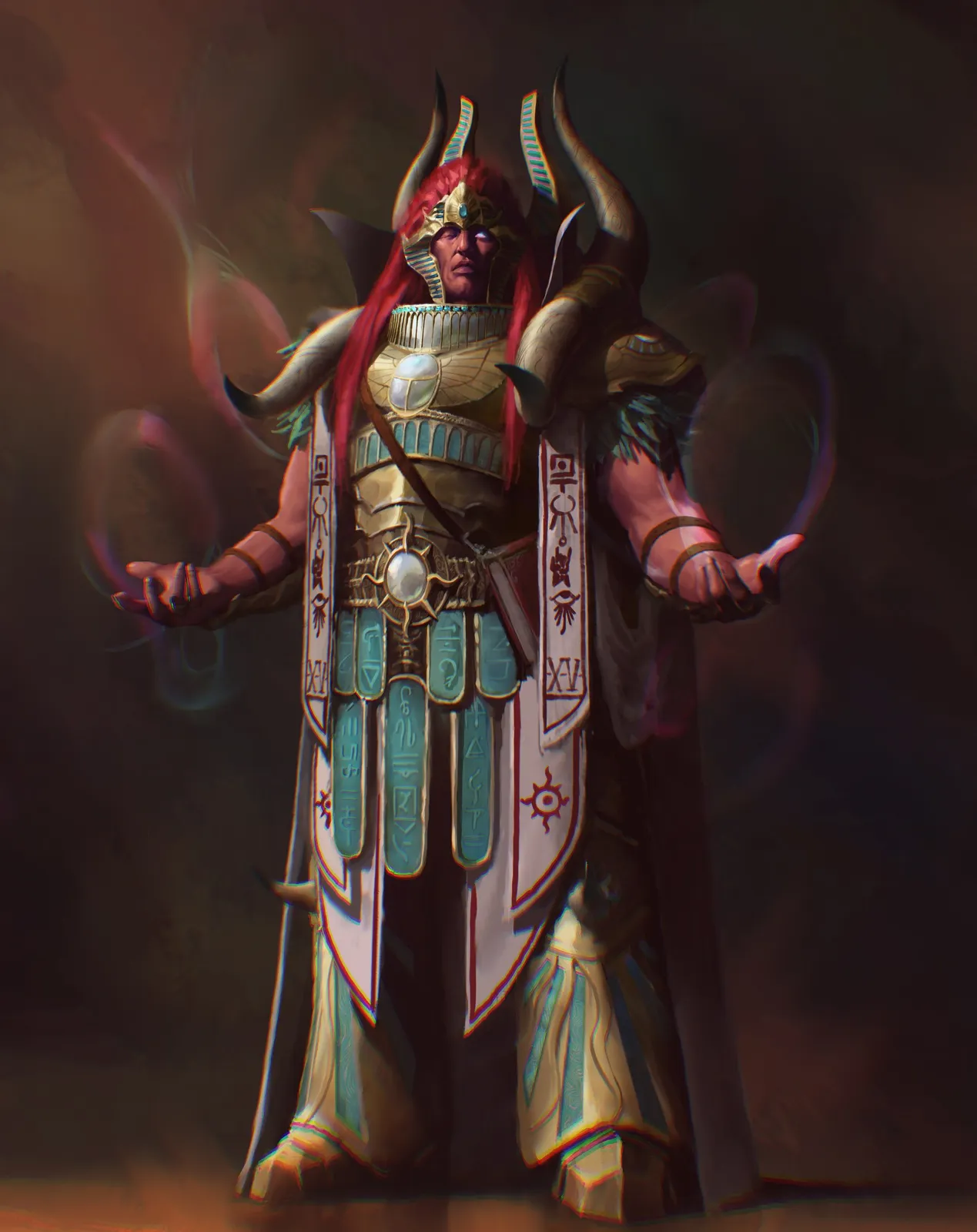
Magnus was unlike his brothers from the start. Even among Primarchs he was a giant, with red skin, a mane of crimson hair and a single great eye. His psychic power was second only to the Emperor's, and he grew up on Prospero, a remote world settled by a community of psykers who had fled persecution elsewhere. In the shining city of Tizca, among libraries, observatories and pyramids, Magnus was raised as a scholar and quickly surpassed his teachers.
Prospero shaped everything the Legion would become: its love of learning, its open use of psychic power, its conviction that the Warp could be studied and mastered like any other science. Magnus also made contact with powers in the Warp during his wanderings there, entities that seemed to offer knowledge freely. He believed he could use them without being used in return. That conviction would destroy him.
The Flesh-Change and a Legion of Sorcerers
Before Magnus was found, the XV Legion was already in trouble. Its gene-seed carried a hidden flaw that made its warriors prone to psychic mutation, a degeneration known as the flesh-change, in which bodies twisted uncontrollably and minds unraveled. When Magnus took command, he halted the mutations. The Thousand Sons believed their Primarch had cured them through his mastery of the Warp; later revelations suggested he had, knowingly or not, struck a bargain with Tzeentch to do it.
Under Magnus the Legion embraced psychic power more fully than any other. Its warriors were organized into fellowships known as the Cults of Prospero, each specializing in a different discipline of the Warp: the Corvidae studied prophecy and the flow of time, the Pyrae mastered fire, the Pavoni manipulated the body, the Athanaeans read minds, and the Raptora shaped telekinetic force. The Thousand Sons were brilliant, disciplined and enormously effective in battle. They were also watched with deepening suspicion by brothers like Leman Russ of the Space Wolves and Mortarion of the Death Guard, who saw sorcery where Magnus saw science.
Nikaea and the Folly of Magnus
The suspicion came to a head at the Council of Nikaea, where the Emperor heard arguments about the use of psychic powers within the Legions. Magnus defended his Legion's arts passionately, but the Emperor ruled against him: the Legions' Librarians were to be disbanded and the Thousand Sons ordered to abandon sorcery. Magnus submitted, outwardly.
Then, through his visions, Magnus learned that Horus was about to betray the Emperor. Desperate to warn his father, he cast a vast spell and hurled his consciousness across the galaxy to Terra. The warning arrived, but at an appalling cost. Magnus's sorcery shattered the protective wards around a secret project beneath the Imperial Palace, the Emperor's effort to open the webway for humanity, and daemons poured into the tunnels. The Emperor was forced to sit upon the Golden Throne to hold back the breach, abandoning the project that might have freed humanity from the Warp. In trying to save his father, Magnus had doomed his dream.
The Burning of Prospero
The Emperor ordered Magnus brought to Terra to answer for his crime. He gave the task to Leman Russ, but Horus intercepted the order and persuaded Russ that the Emperor wanted Prospero destroyed instead. The Space Wolves arrived with the Legio Custodes and the Sisters of Silence, the psychic null-maidens whose very presence smothers the Warp, and the Burning of Prospero began. Magnus, believing he deserved punishment, did not prepare his world's defenses until it was too late.
Tizca fell. Libraries that held the knowledge of millennia burned. In the final duel, Russ broke Magnus's back across his knee. At the last moment, Tzeentch offered Magnus a way out, and the Primarch accepted: he and the surviving Thousand Sons vanished from Prospero and reappeared in the Eye of Terror, on a world that would become the Planet of the Sorcerers. Betrayed by the Imperium and now owned by Tzeentch, they joined Horus's side of the war almost by default. The hatred between the Thousand Sons and the Space Wolves has never cooled. For the Wolves' side of the story, see our Space Wolves guide; for the golden warriors who stood beside them on Prospero, see the Adeptus Custodes guide.
The Rubric of Ahriman
On the Planet of the Sorcerers the old curse returned. With Magnus withdrawn into his studies, the flesh-change began to spread through the Legion once more. Ahzek Ahriman, Magnus's most gifted son and former Chief Librarian, gathered a cabal of sorcerers and devised a spell to end the mutations forever.
The Rubric of Ahriman did end them, in the most horrifying way possible. Across the Planet of the Sorcerers, every Thousand Son without psychic power was reduced to dust and sealed inside his own armor. These Rubric Marines still move, fight and obey, but they are little more than fragments of souls bound into ceramite shells, their armor's seams sealed by the spell. The Legion's psykers survived and grew more powerful. Magnus, furious, confronted Ahriman; he spared his son's life, though in some accounts only because Tzeentch stayed his hand, and banished him and his cabal from the Planet of the Sorcerers. Ahriman has wandered ever since, searching for the knowledge to complete or undo his great work.
The Rubric is the perfect Tzeentchian tragedy: a plan meant to save the Legion that preserved it only as an echo of itself. Tzeentch, the god of change, plots and fate, delights in exactly this kind of outcome. For more on the Architect of Fate and his schemes, read our complete guide to Tzeentch.
The Crimson King in the 41st and 42nd Millennia
Magnus eventually ascended as a Daemon Primarch of Tzeentch, a winged, horned colossus of crimson flesh and blue flame. For ten thousand years he plotted his vengeance on the Imperium in general and on Fenris in particular. Late in the 41st Millennium, in the campaign known as the Wrath of Magnus, he led the Thousand Sons against the Space Wolves' home system in a massive assault, reigniting their old feud.
The opening of the Great Rift flooded the galaxy with Warp energy, and the Thousand Sons were among those best placed to exploit it. In the Psychic Awakening storyline Ritual of the Damned, Magnus and Ahriman, with Ahriman bringing his fellow exiles to war, worked together on a vast sorcerous ritual fueled by the doomed population of the Fenris system, opposed by the Grey Knights and Dark Angels. Whatever the true purpose of Magnus's grand designs, the Thousand Sons entered the Era Indomitus more powerful and more dangerous than they had been in millennia. Their constant opponents among the Imperium's defenders are the psychic knights of Titan, covered in our Grey Knights guide.
Key Characters of the Thousand Sons
- Magnus the Red — the Crimson King, the most powerful psyker among the Primarchs and now a Daemon Primarch of Tzeentch. Proud, brilliant and tragically certain of his own wisdom.
- Ahzek Ahriman — the architect of the Rubric, an exile and arch-sorcerer who rides a Disc of Tzeentch and hunts for forbidden knowledge across the galaxy, including the legendary Black Library of the Aeldari.
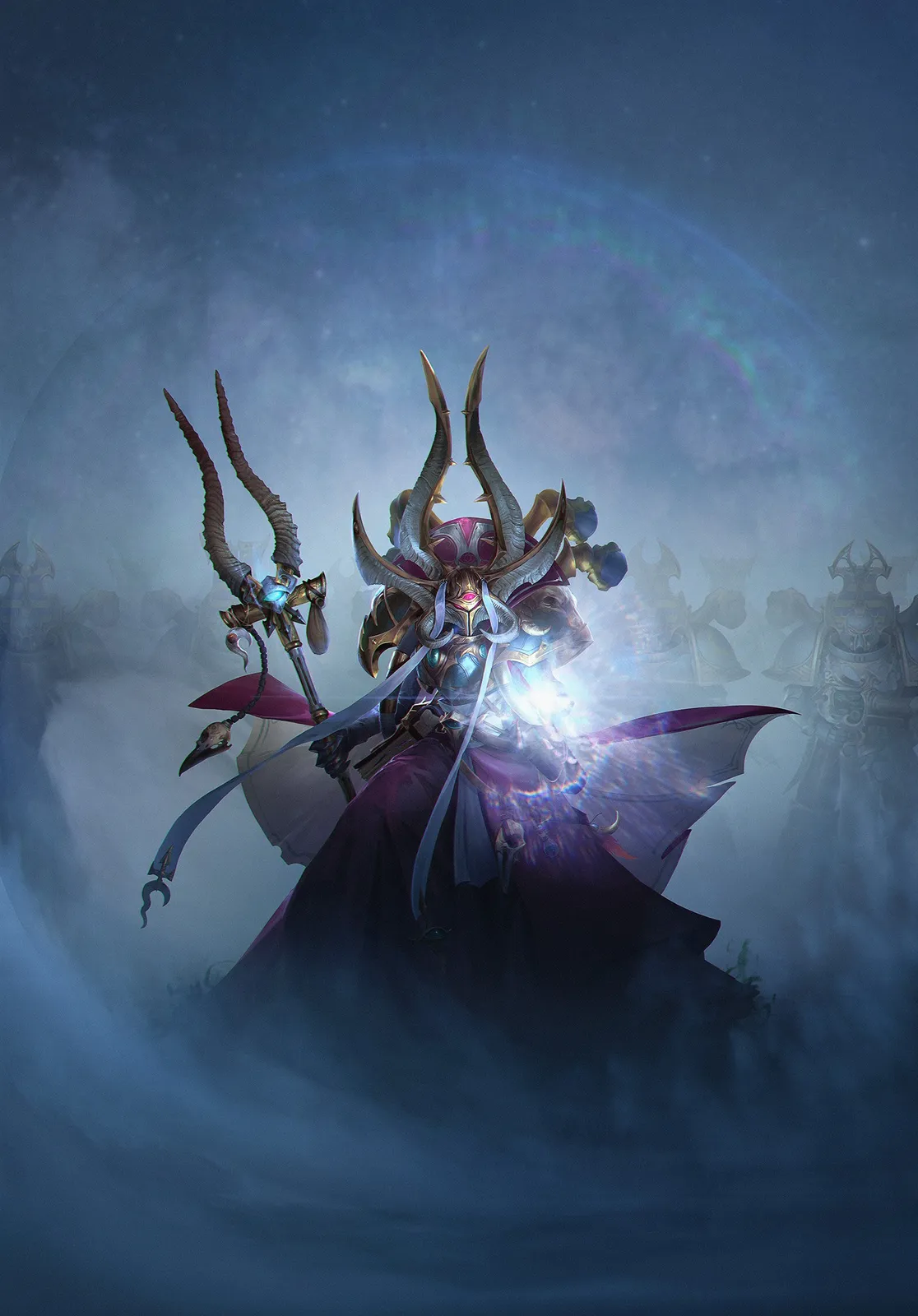
- Exalted Sorcerers — the Legion's senior masters of the Warp, each commanding cults, Rubric Marines and mortal followers of his own.
- Tzaangor Shamans — leaders of the beast-headed Tzaangors, mutated servants who revere the Thousand Sons as living prophets.
Rubricae, Sorcerers and Tzaangors
A Thousand Sons force is a cabal of sorcerers surrounded by the ghosts of their brothers.
- Rubric Marines — the dust-filled legionaries, slow-moving and eerily silent, firing bolts that burn with Warpflame. Each squad is led by an Aspiring Sorcerer who directs them with his will.
- Scarab Occult Terminators — Rubric Marines in Terminator armor, the remnants of the Legion's elite Terminator cadre, carrying heavy weapons and wreathed in sorcery.
- Sorcerers — on foot, in Terminator armor or on Discs of Tzeentch, the true heart of the Legion, hurling bolts of change, illusion and fire.
- Tzaangors — beastmen blessed by Tzeentch, from footsoldiers to disc-riding Enlightened, who serve the Legion as fanatical shock troops.
- Daemons and daemon engines — Pink and Blue Horrors, Flamers and Lords of Change often join their battles (see our Chaos Daemons guide), alongside Mutalith Vortex Beasts, Heldrakes and other horrors.
How the Thousand Sons Play on the Tabletop
The Thousand Sons are the most sorcery-focused army in Warhammer 40,000. Their identity on the table is about psychic attacks and magic-fueled firepower: Rubric Marines form a resilient, slow-moving core, while Sorcerers and other characters deliver much of the damage through the Warp. They reward players who enjoy careful planning and stacking magical effects at the right moment.
Their weakness is melee. Outside of characters, daemons and beasts, they are not built for close combat, and fast assault armies can pressure them before their spells take effect. Their blue-and-gold Egyptian aesthetic is also one of the most striking in the game. To compare them with every other army, see the Thousand Sons entry in our Warhammer 40K factions guide.
Thousand Sons FAQ
What is a Rubric Marine?
A Rubric Marine is a Thousand Sons legionary who was reduced to dust by the Rubric of Ahriman. His body is gone, but a fragment of his soul remains bound inside his sealed armor, which still moves and fights at the command of the Legion's sorcerers. Rubric Marines are tough and obedient, but they have almost no will or personality of their own.
Were the Thousand Sons really traitors?
Not at first. Magnus tried to warn the Emperor about Horus, and the Legion was attacked at Prospero because Horus twisted the Emperor's order. Only after the Burning of Prospero, with nowhere else to go and Tzeentch as their only savior, did the Thousand Sons side with the traitors. That is why many fans see them as the most tragic of the Traitor Legions.
Why are the Thousand Sons blue now?
During the Great Crusade the Legion wore crimson armor trimmed with gold, matching Magnus. After their fall and the Rubric, the Thousand Sons adopted the deep blue and gold associated with Tzeentch, which is how they appear in the 41st and 42nd Millennia.
Who is Ahriman?
Ahzek Ahriman was Magnus's favored son and the Legion's Chief Librarian. After the Heresy he created the Rubric that turned most of the Legion to dust in an attempt to stop the flesh-change. Magnus exiled him for it, and he has since become one of the most powerful sorcerers in the galaxy, though recent lore has brought him back alongside his Primarch.
Why do the Thousand Sons hate the Space Wolves?
Because the Space Wolves burned Prospero. Leman Russ led the assault that destroyed the Thousand Sons' homeworld and personally broke Magnus's back. The Thousand Sons have sought revenge ever since, most dramatically when Magnus attacked the Fenris system in the Wrath of Magnus campaign.
Is Magnus the Red a Daemon Prince?
Yes. After his fall, Magnus became a Daemon Primarch of Tzeentch, a being of immense psychic power rooted in the Warp. He rules the Planet of the Sorcerers in the Eye of Terror and remains one of the most dangerous enemies the Imperium faces.
Continue Exploring
- Warhammer 40K Factions: Complete Guide to All 29 Armies — every army, its lore and how it plays
- Chaos Space Marines — the Traitor Legions, the Black Legion and the Long War against the Imperium.
- The Death Guard — Mortarion's plague Legion, sworn to Nurgle, Tzeentch's great rival.
- The World Eaters — Angron's berserkers, who despise all sorcery.
- The Emperor's Children — Fulgrim's Legion of perfection turned excess.
- Tzeentch: The Architect of Fate — the god who saved the Thousand Sons, and owns them.
Name your own sorcerer-lord with the Chaos Space Marine name generator, or browse every guide in the Warhammer 40K lore hub. To track a cabal's schemes across a campaign, Anima is free and runs in your browser with no account: a wiki, a timeline, and campaigns with a live DM screen.
Keep reading
More from this topic
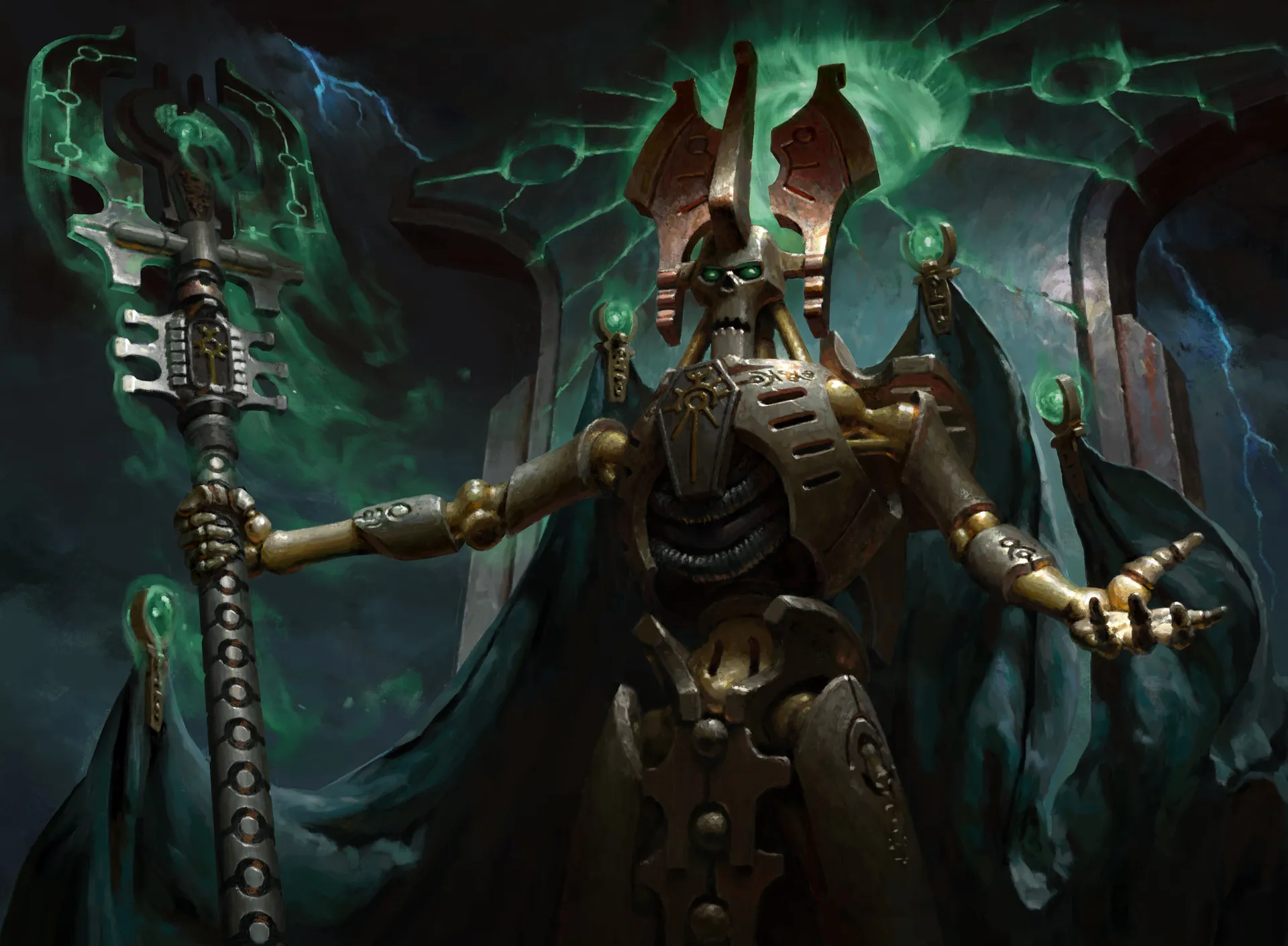
Necrons: Warhammer 40K Lore Guide
The complete lore of the Necrons — the doomed Necrontyr, the C’tan star-gods, biotransference, the War in Heaven, and the deathless dynasties now waking to reclaim the galaxy.
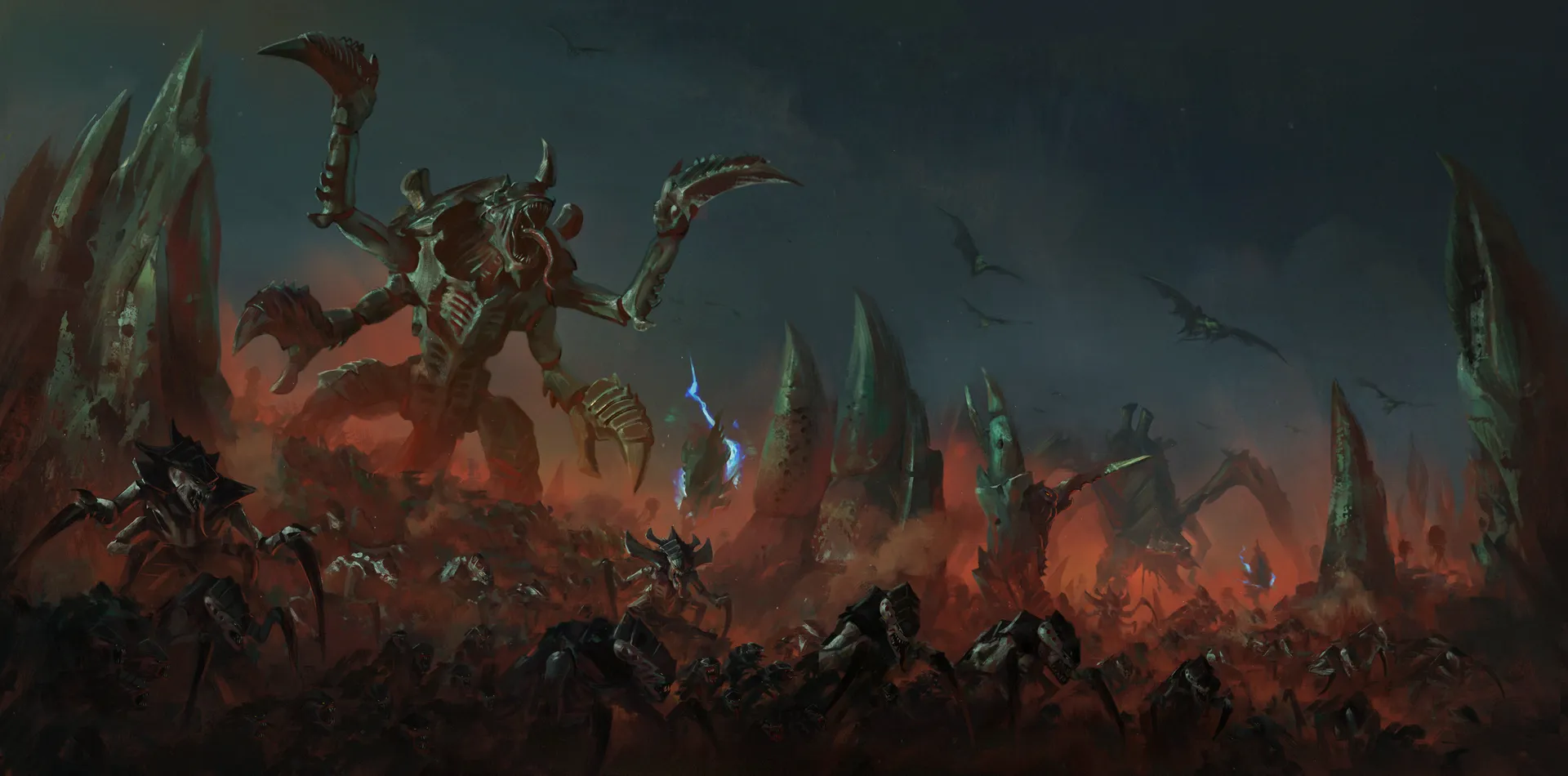
Tyranids: Warhammer 40K Lore Guide
The complete lore of the Tyranids — the Great Devourer, the Hive Mind, the Shadow in the Warp, the great Hive Fleets, Genestealer Cults, and the hunger that crossed the void between galaxies.
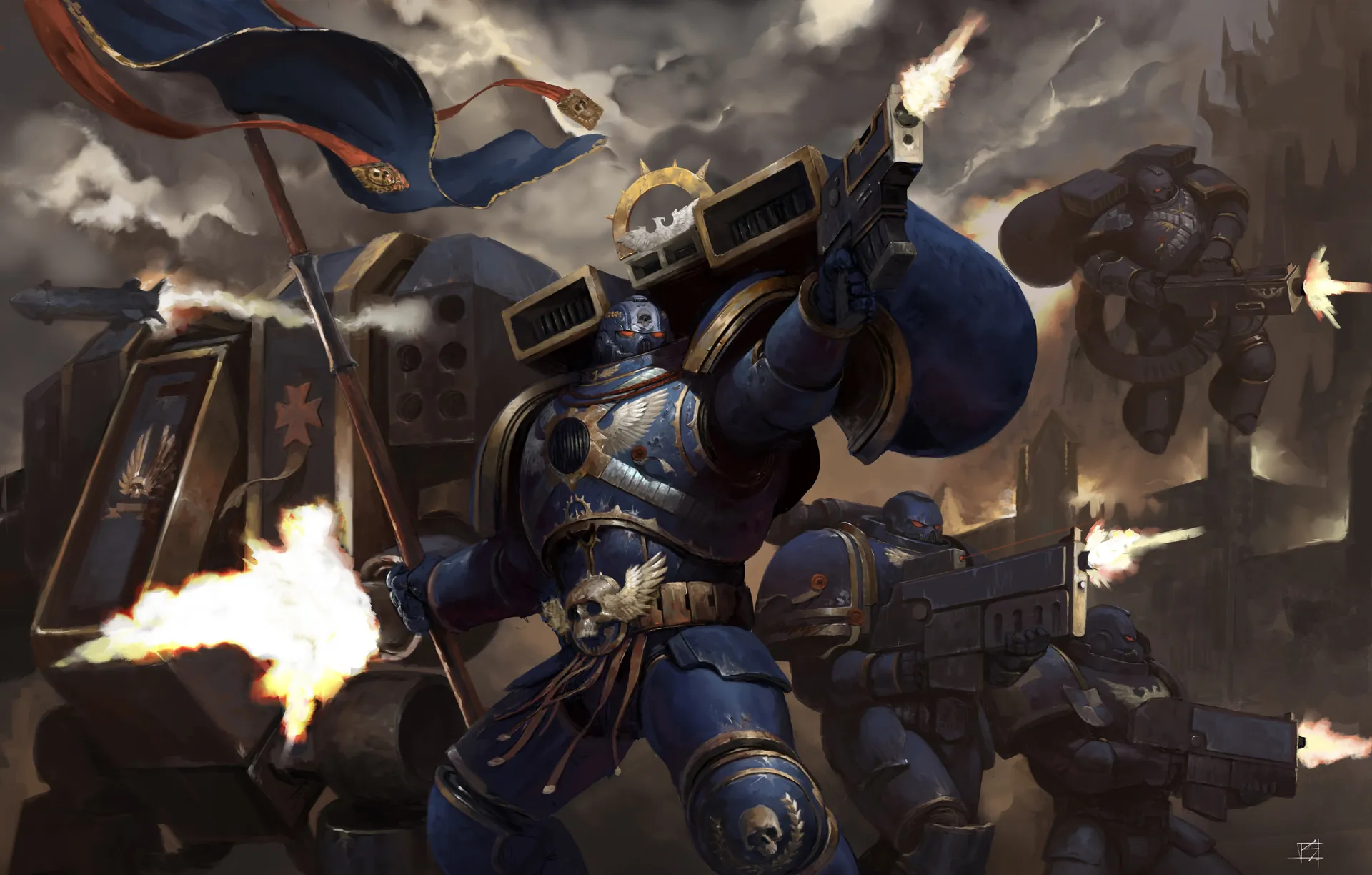
Space Marines (Adeptus Astartes): Warhammer 40K Lore Guide
The complete lore of the Space Marines — the Primarchs, gene-seed, the Horus Heresy, the Codex Astartes and the Chapters, the Primaris and Guilliman’s return, and the cost of the Angels of Death.
Start building your world today
A linked wiki, a timeline and a live DM screen — free, in your browser, no account needed.