Magnus the Red: Warhammer 40K Lore Guide
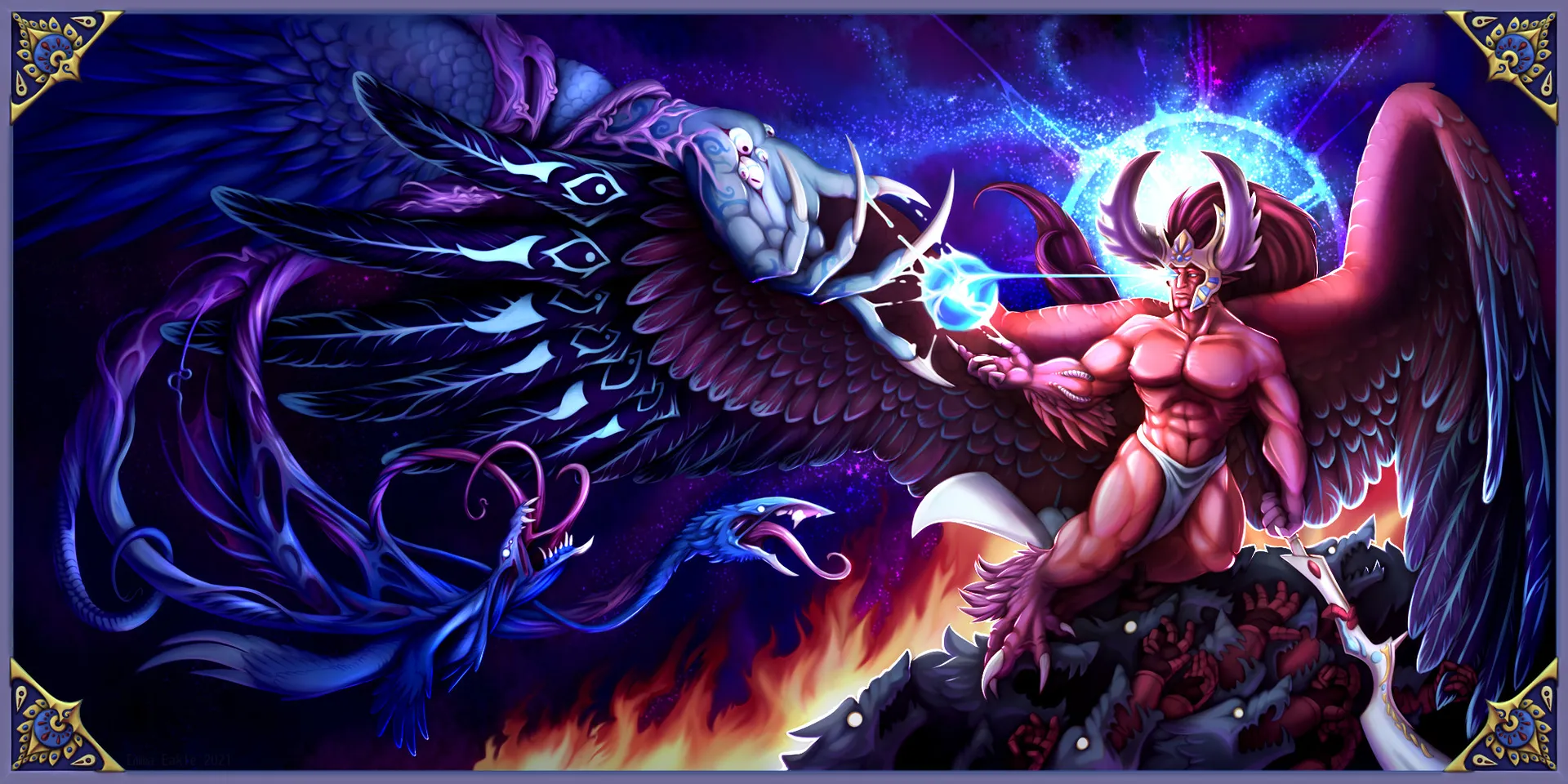
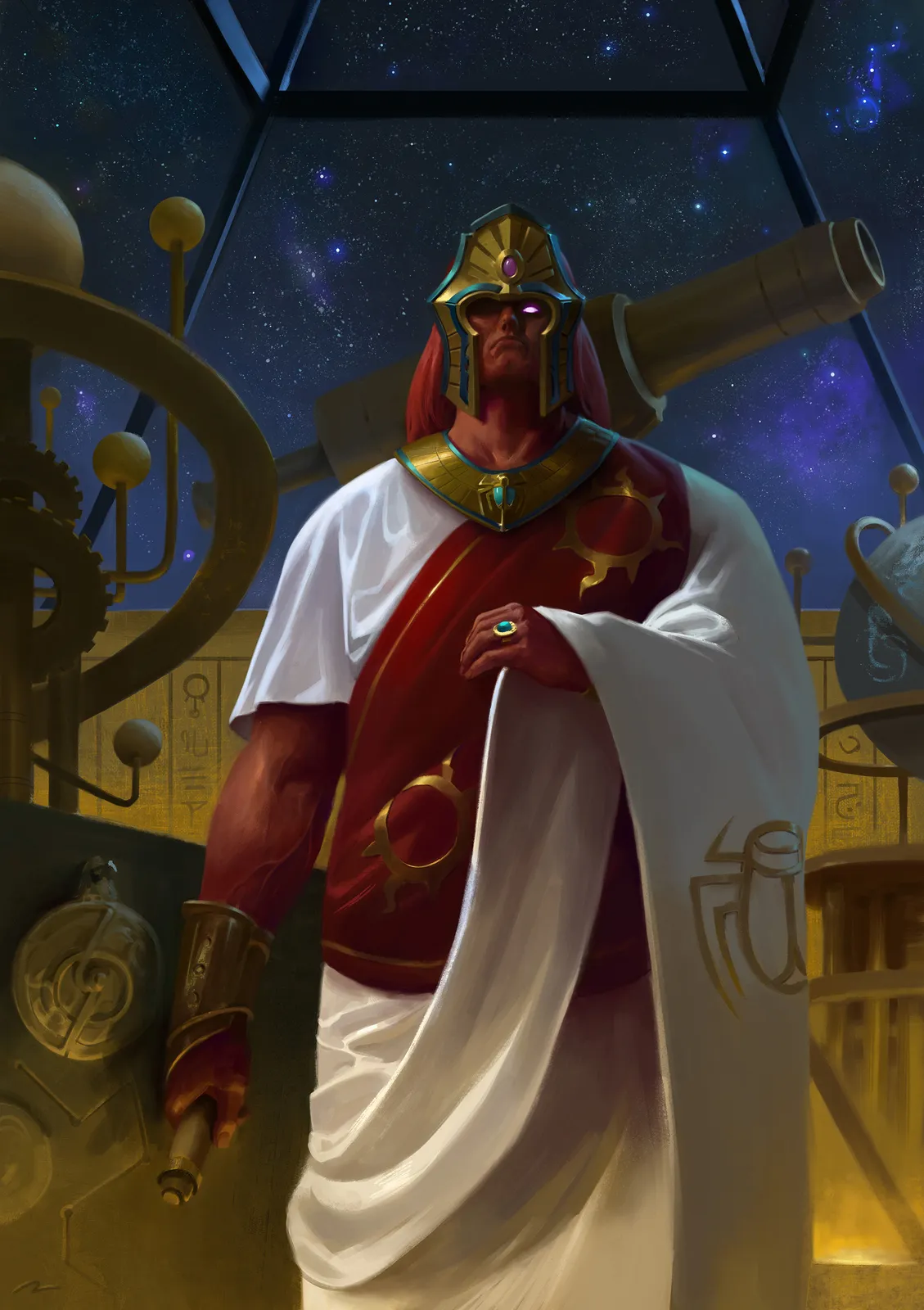
Magnus the Red is the Primarch who tried to save his father and destroyed him instead. A giant with crimson skin, a mane of red hair and a single great eye, he was the most gifted psyker the Emperor ever created, a scholar who believed the Warp could be mapped, measured and mastered like any other natural science. He was right about almost everything except the one thing that mattered: the powers waiting in the Warp were not resources to be studied. They were studying him.
As Primarch of the Thousand Sons, the sorcerer Legion of Tzeentch, Magnus sits at the center of one of the saddest stories in Warhammer 40,000. He was never part of Horus's conspiracy. He broke his father's law to warn him of it, and that warning shattered the Emperor's greatest secret project, set the Space Wolves on Prospero and pushed the Thousand Sons into the arms of the Changer of Ways. This guide follows the Crimson King himself rather than his Legion: his childhood in Tizca, the Council of Nikaea, his folly and fall, his duel with Leman Russ, and what the Daemon Primarch is doing in the 42nd Millennium.
Magnus the Red at a Glance
| Aspect | Detail |
|---|---|
| Titles | The Red, the Crimson King, the Cyclops, Lord of Prospero |
| Primarch Number | XV |
| Legion | The Thousand Sons |
| Allegiance | Traitor; sworn to Tzeentch, the Architect of Fate |
| Homeworld | Prospero (burned); now the Planet of the Sorcerers in the Eye of Terror |
| Defining Trait | The mightiest psyker among the Primarchs, second only to the Emperor |
| Great Mistake | Shattering the wards around the Emperor's Webway Project |
| Status in M42 | Daemon Primarch of Tzeentch, active and scheming |
| Arch-enemy | Leman Russ and the Space Wolves |
Origin: The Child of Prospero
Like all of the Primarchs, Magnus was torn from the Emperor's gene-laboratories on Terra and scattered across the galaxy as an infant. He came to rest on Prospero, a remote world colonized by communities of human psykers who had fled persecution. Their capital, Tizca, the City of Light, was a place of pyramids, libraries and observatories, and its people valued learning above everything else.
No world could have suited Magnus better. He absorbed the scholars' knowledge as fast as they could offer it, then went further than any of them. His psychic power was immense even as a child, and the lore consistently describes him wandering the Warp in spirit while his body stayed in Tizca. During those journeys he met entities that seemed eager to help him learn. Magnus took them for neutral forces, or at worst for tools he was clever enough to use safely. That assumption is the seed of everything that followed.
When the Emperor reached Prospero, the reunion was warm. Magnus recognized his father, and the Emperor recognized in Magnus the son most like himself: a psyker of enormous strength with a hunger to understand the universe. Black Library's Horus Heresy novels portray the two as genuinely close, sharing knowledge that the Emperor withheld from most of his other sons.
The Crimson King's Legion
The XV Legion Magnus inherited was dying. Its gene-seed carried a hidden instability that caused the flesh-change, a psychic mutation that turned warriors into monsters. Magnus stopped it. His sons believed he had done it through pure mastery of the Warp; later lore suggests the cure came from a bargain with Tzeentch, possibly struck before Magnus understood who he was dealing with. Either way, the Thousand Sons owed their Primarch their lives and their sanity, and they worshipped his intellect.
Under Magnus the Legion was reorganized around the Cults of Prospero, schools of psychic discipline that turned battlefield sorcery into a curriculum. Magnus himself was not a remote figure. He fought at the front of the Great Crusade, and Graham McNeill's novel A Thousand Sons shows him campaigning on the world of Aghoru under the watchful eyes of a Space Wolves observer, a Custodian and the Sisters of Silence, where tensions between the psychic Legion and its suspicious brothers were already visible.
Defining Deeds: Nikaea and the Folly of Magnus
The Council of Nikaea
By the later Great Crusade, many in the Imperium feared what the Thousand Sons were becoming. The Emperor convened the Council of Nikaea to decide whether the Legions should keep their Librarians. Magnus argued with passion and brilliance that psychic power was a gift to be trained, not a curse to be feared. Against him stood brothers who saw the Warp as pure poison, chief among them Leman Russ and Mortarion of the Death Guard. The Emperor ruled against Magnus. The Librarius was disbanded and the Thousand Sons were ordered to abandon their arts. Magnus agreed. He did not obey.
The Warning That Broke the Webway
When the Thousand Sons' seers glimpsed Horus's coming betrayal, Magnus tried to warn Terra the only way that would arrive in time. In a huge ritual on Prospero he threw his own spirit across the galaxy, straight into the Imperial Palace. In the Horus Heresy novels, Tzeentch helped him make the crossing, and the price was the protective wards around the Emperor's secret Webway Project, the hidden labyrinth beneath the Palace through which humanity was meant to escape its dependence on the Warp. Magnus's arrival tore through those wards. Daemons flooded in, and the Emperor had to abandon the project and take his place on the Golden Throne to hold the breach.
Worse, the warning gained nothing: in the novel, the Emperor already knows of Horus's treachery, and Magnus's sorcery is treated as the final proof of everything Nikaea had feared. Arguably no single act did more to shape the 41st Millennium: the Golden Throne, the Emperor's long imprisonment and the Imperium's dependence on psykers and Navigators all trace back to that night. For the wider war he stumbled into, see our Horus Heresy guide.
The Burning of Prospero
The Emperor ordered Magnus brought to Terra in chains. The task went to Leman Russ, and Horus persuaded Russ that the real order was to destroy Prospero. Black Library tells the attack from both sides: A Thousand Sons from Magnus's view, Dan Abnett's Prospero Burns from the Space Wolves'. Magnus, consumed by guilt, believed he deserved punishment and did little to defend his world until it was too late. Tizca burned. In the final duel, Leman Russ broke Magnus's back across his knee. With his city in flames and his sons dying, Magnus accepted Tzeentch's offer of escape, and the survivors were pulled through the Warp to the world that became the Planet of the Sorcerers. He had refused to join Horus's rebellion. Now he had nowhere else to go.
Personality and Relationships
Magnus's tragedy is that his virtues and his flaws are the same trait. He is curious, generous with knowledge, brave and sincerely devoted to humanity's progress. He is also proud to the point of blindness, certain that a sufficiently brilliant mind can handle any danger. He never set out to betray anyone. He simply never believed that he could be the one being manipulated.
- The Emperor — the father Magnus most resembled and most wanted to impress. Their bond made the betrayal at Nikaea, and the order for his arrest, cut deeper than any wound.
- Leman Russ — the Wolf King who broke his back. Their hatred is personal, mutual and unending, and it has defined the Thousand Sons' wars for ten thousand years.
- Mortarion — a brother who loathed psykers on principle. The Death Lord's later surrender to Nurgle, the eternal rival of Tzeentch, turned an old contempt into a cosmic feud.
- Horus — a brother Magnus fought beside and trusted, who twisted the Emperor's order and engineered Prospero's destruction. Our Horus Lupercal guide covers the Warmaster's side.
- Ahzek Ahriman — Magnus's most gifted son and the author of the Rubric that turned most of the Legion to dust. Magnus exiled him, and their relationship has swung between fury, distance and uneasy alliance ever since.
Fall and Current Status
The Crimson King's damnation was not a single moment. After Prospero, Magnus withdrew into study on the Planet of the Sorcerers while the flesh-change returned and Ahriman cast his Rubric. Black Library fiction adds a stranger layer: Graham McNeill's The Crimson King explores the idea that Magnus's soul was broken into fragments when Russ broke his body, and that the Primarch who rules in the Eye is not entirely whole. Eventually Magnus was elevated to daemonhood, becoming a towering, winged Daemon Primarch whose power is rooted in the Warp itself. For the god who owns him, read our complete guide to Tzeentch.
In the 41st Millennium he struck back at his oldest enemies. The Wrath of Magnus campaign saw the Thousand Sons assault the Fenris system in force, with the Space Wolves and Grey Knights racing to stop a ritual whose full purpose only Magnus understood. After the Great Rift opened, the Psychic Awakening storyline Ritual of the Damned brought Magnus and Ahriman together for another vast working, opposed by the Grey Knights and Dark Angels.
In the current 2026 setting, Magnus remains a Daemon Primarch of Tzeentch, ruling the Planet of the Sorcerers and pursuing schemes that even his own sons only partly grasp. With Roboute Guilliman and the Lion awake and loyalist Primarchs walking the galaxy again, the Crimson King is one of the most powerful beings on the other side of the board, and one of the few Chaos lords whose goals may still include knowledge rather than mere conquest.
Magnus on the Tabletop
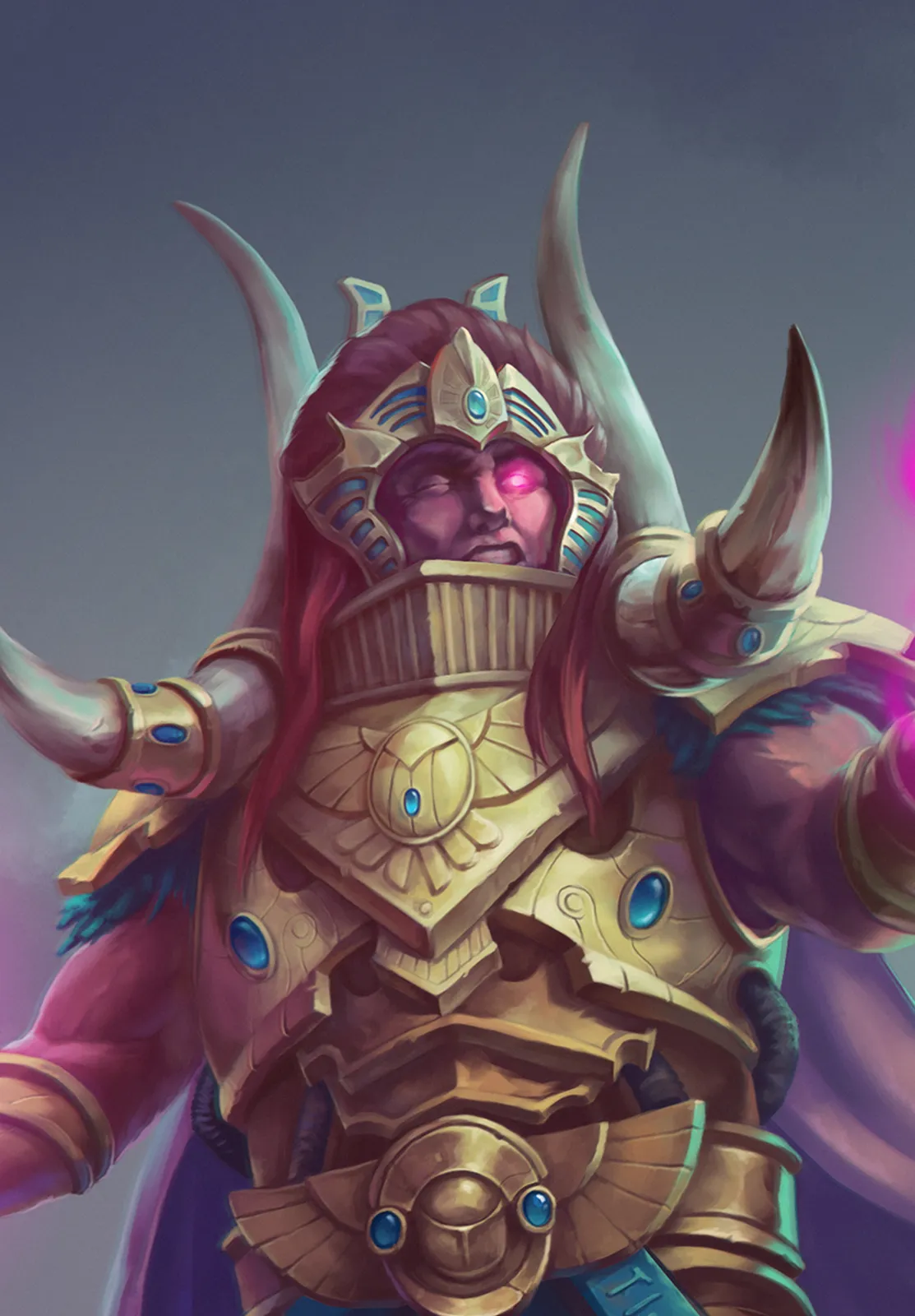
Magnus is fielded with the Thousand Sons as their Daemon Primarch, and his large winged model is one of the most striking centerpieces in the Chaos range: crimson skin, flowing hair, Egyptian-inspired gold armor and a single blazing eye. His identity on the table follows his lore closely. He is a towering psychic powerhouse, a lord of sorcery who can also crush enemies in melee, and a magnet for the opponent's heaviest weapons. Players who build around him are buying into the full Thousand Sons fantasy, where the Primarch's spells and the Rubricae's sorcerous firepower carry the army.
For his pre-heresy form, Magnus also exists as a Primarch for Horus Heresy-era play. To see how the Thousand Sons compare to every other army, browse the Warhammer 40K factions guide.
Magnus the Red FAQ
Was Magnus the Red a traitor?
Not at first. Magnus disobeyed the Edict of Nikaea, but he did so to warn the Emperor about Horus. He only joined the traitors after the Space Wolves destroyed Prospero and Tzeentch saved him from death. That is why many fans call him the most tragic of the Traitor Primarchs.
Why does Magnus have one eye?
Magnus has been depicted as a cyclops since his earliest appearances, and it is part of his iconic look. Black Library fiction connects his missing eye to his dealings with the Warp, but the lore deliberately leaves the details mysterious, much like the bargain that cured his Legion.
What did Magnus actually break on Terra?
He broke the psychic wards protecting the Emperor's Webway Project beneath the Imperial Palace. Daemons poured into the webway tunnels, and the Emperor had to sit on the Golden Throne to hold them back, abandoning his plan to free humanity from the dangers of Warp travel.
Who would win, Magnus or Leman Russ?
Russ won their duel on Prospero, breaking Magnus's back, but Magnus was not fighting at full strength and believed he deserved punishment. In the 41st Millennium a Daemon Primarch Magnus has repeatedly attacked Fenris, while Russ himself has been missing for ten thousand years. The rematch both sides want has never happened.
Is Magnus still alive in Warhammer 40K?
Yes. Magnus is a Daemon Primarch of Tzeentch and is active in the current setting, ruling the Planet of the Sorcerers in the Eye of Terror and leading the Thousand Sons in major campaigns such as the Wrath of Magnus and Ritual of the Damned.
Continue Exploring
- The Thousand Sons — Magnus's sorcerer Legion, the Rubric of Ahriman and the Planet of the Sorcerers.
- The Primarchs — all twenty sons of the Emperor, loyal, traitor and lost.
- Leman Russ — the Wolf King who burned Prospero and broke the Crimson King.
- Mortarion — the psyker-hating brother who became Nurgle's Daemon Primarch.
- The Space Wolves — the Thousand Sons' oldest and bitterest enemies.
- Warhammer 40K Factions: Complete Guide to All 29 Armies — every army, its lore and how it plays.
Browse every guide in the Warhammer 40K lore hub, or name your own sorcerer with the Chaos Space Marine name generator. To track a cabal's schemes across a campaign, Anima is free and runs in your browser with no account: a wiki, a timeline, and campaigns with a live DM screen.
Keep reading
More from this topic
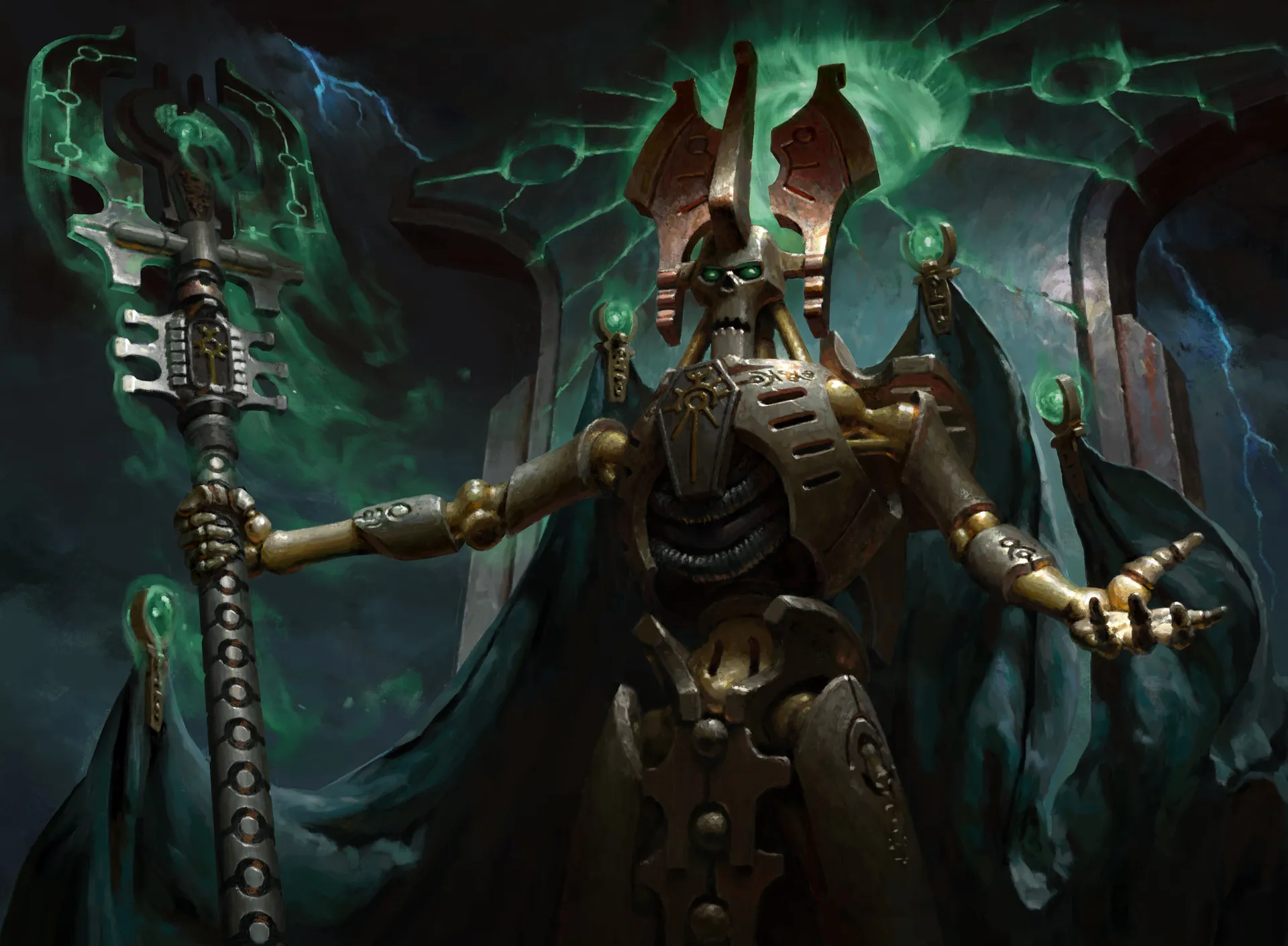
Necrons: Warhammer 40K Lore Guide
The complete lore of the Necrons — the doomed Necrontyr, the C’tan star-gods, biotransference, the War in Heaven, and the deathless dynasties now waking to reclaim the galaxy.
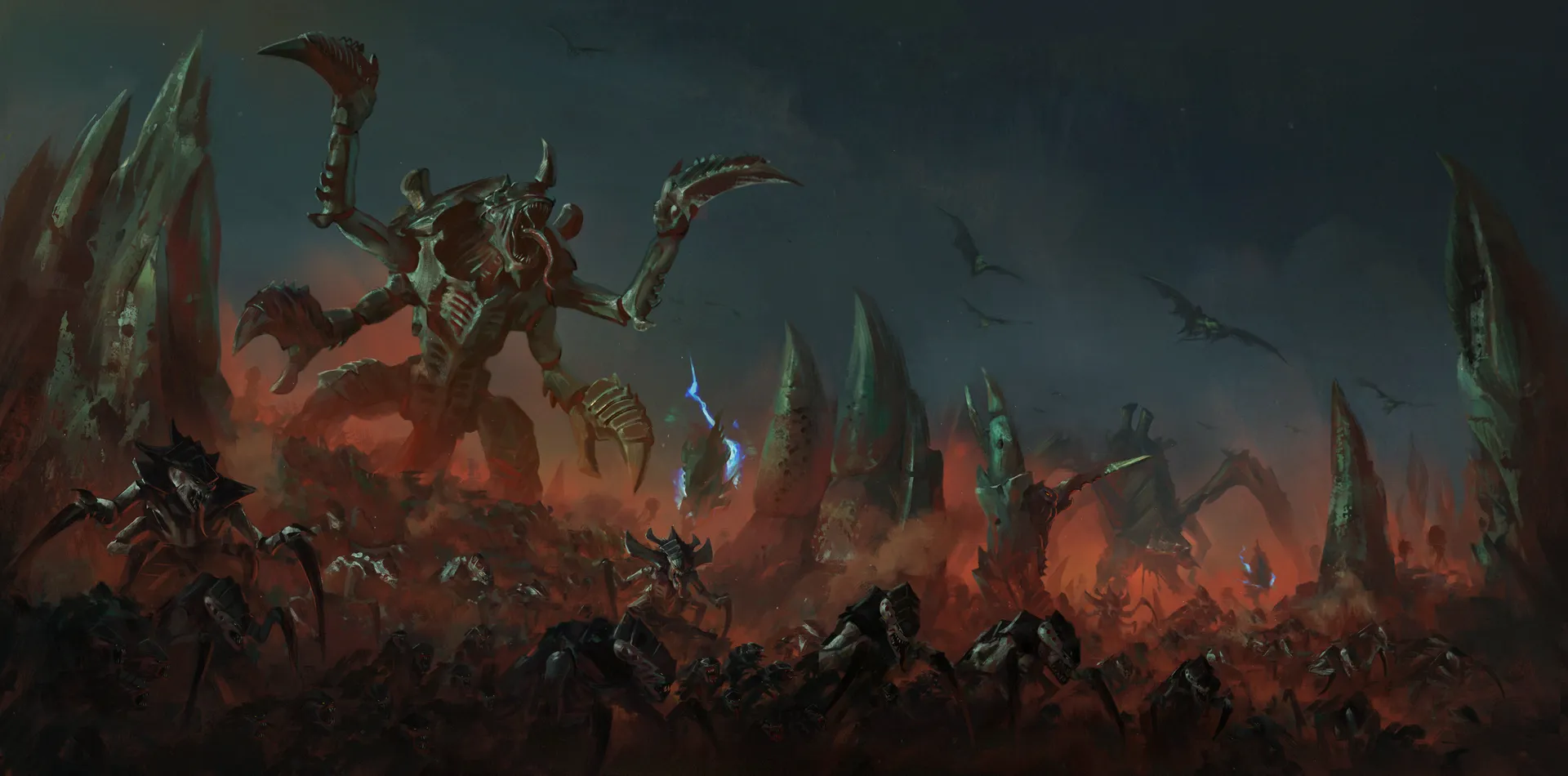
Tyranids: Warhammer 40K Lore Guide
The complete lore of the Tyranids — the Great Devourer, the Hive Mind, the Shadow in the Warp, the great Hive Fleets, Genestealer Cults, and the hunger that crossed the void between galaxies.
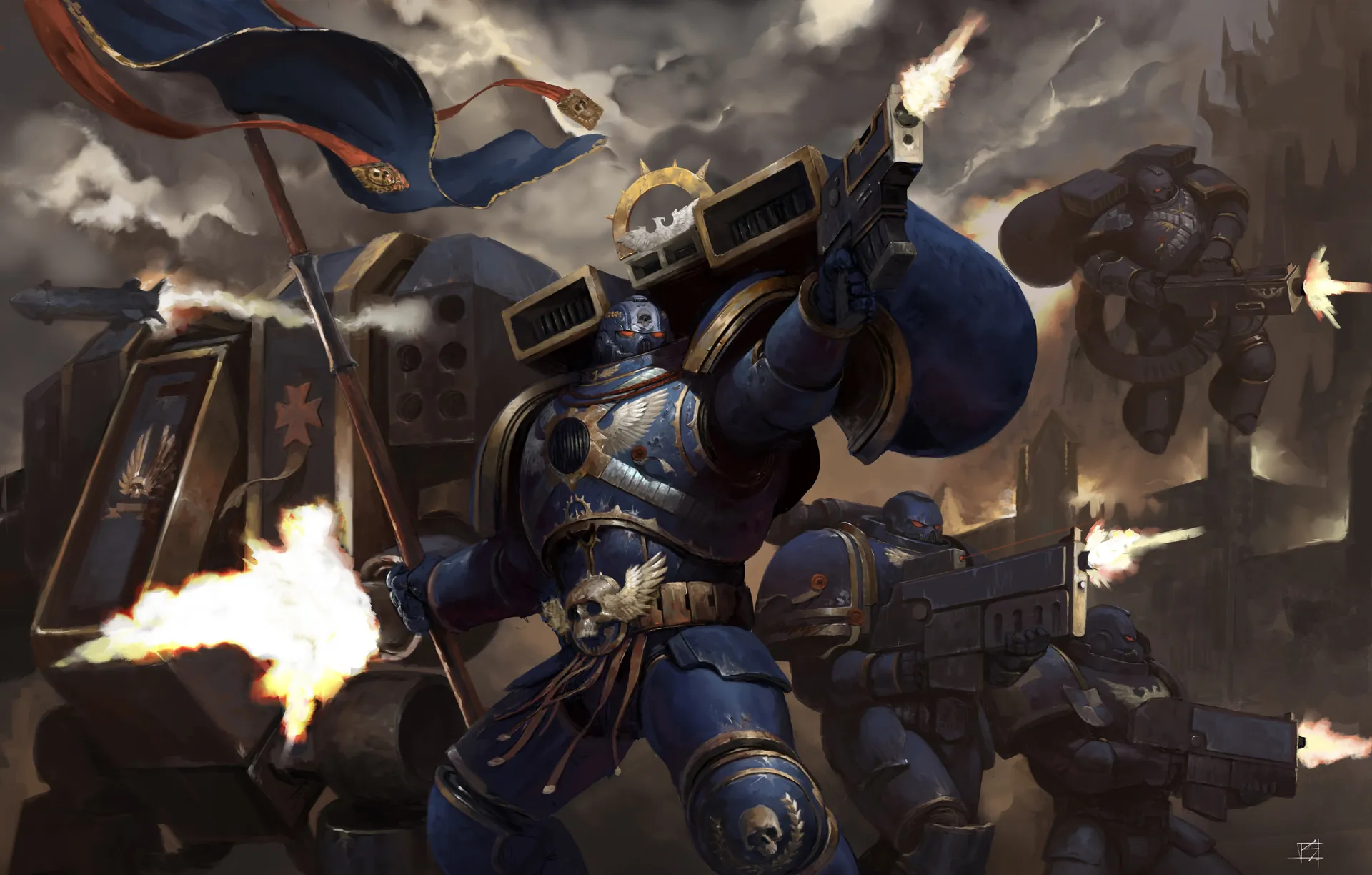
Space Marines (Adeptus Astartes): Warhammer 40K Lore Guide
The complete lore of the Space Marines — the Primarchs, gene-seed, the Horus Heresy, the Codex Astartes and the Chapters, the Primaris and Guilliman’s return, and the cost of the Angels of Death.
Start building your world today
A linked wiki, a timeline and a live DM screen — free, in your browser, no account needed.